

kevin clarke
- Clinical Case Studies , Mold Room Workflow
- January 9, 2026
- 27 views
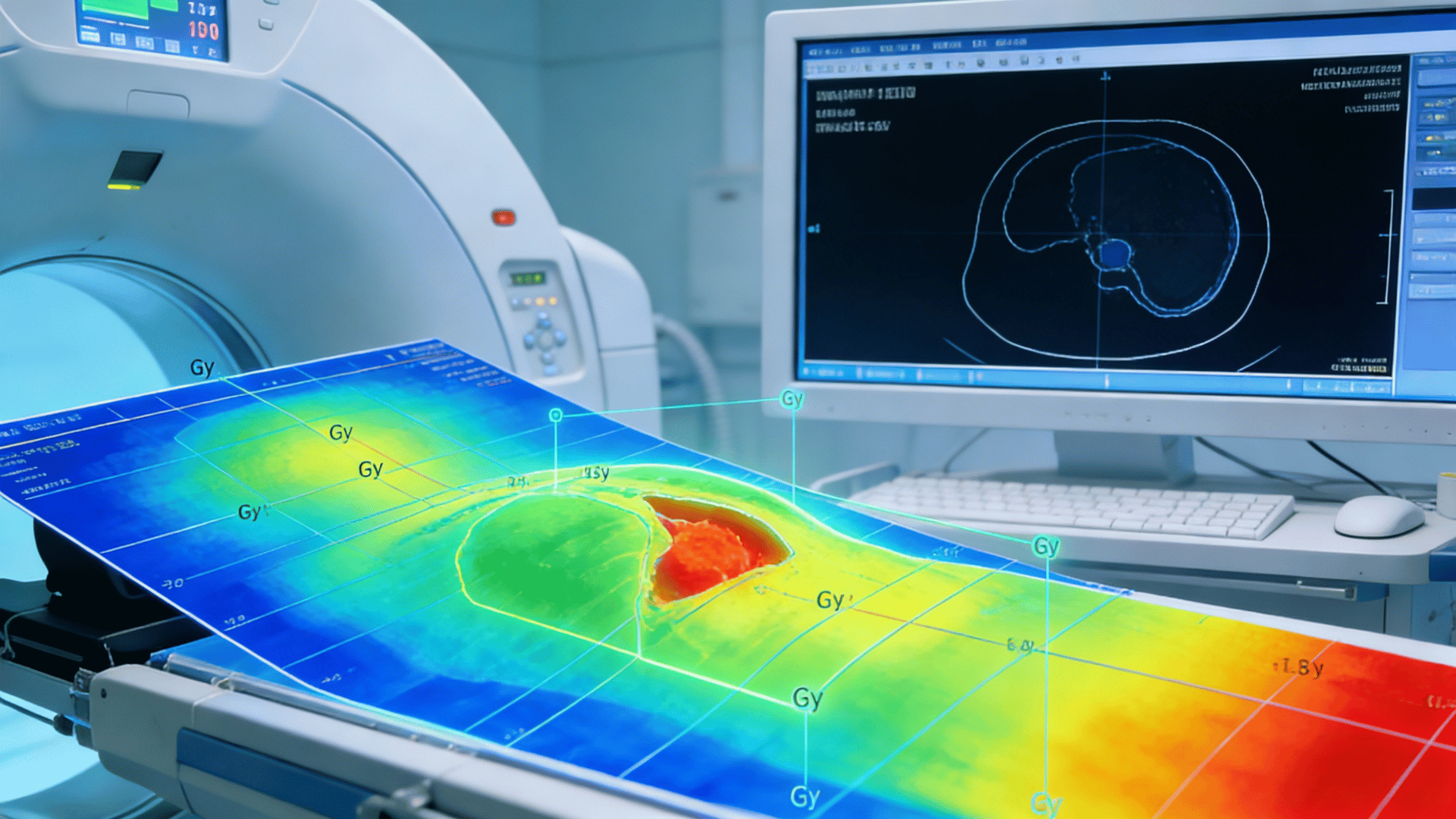
Enhancing Setup Reproducibility in Head & Neck Radiotherapy:
The Science of Thermoplastic Mask Fit Introduction Head and neck radiotherapy presents one of the greatest challenges in modern radiation oncology. The complex anatomy, proximity of critical organs at risk…

- Case Studies
- January 27, 2025
- 28 views
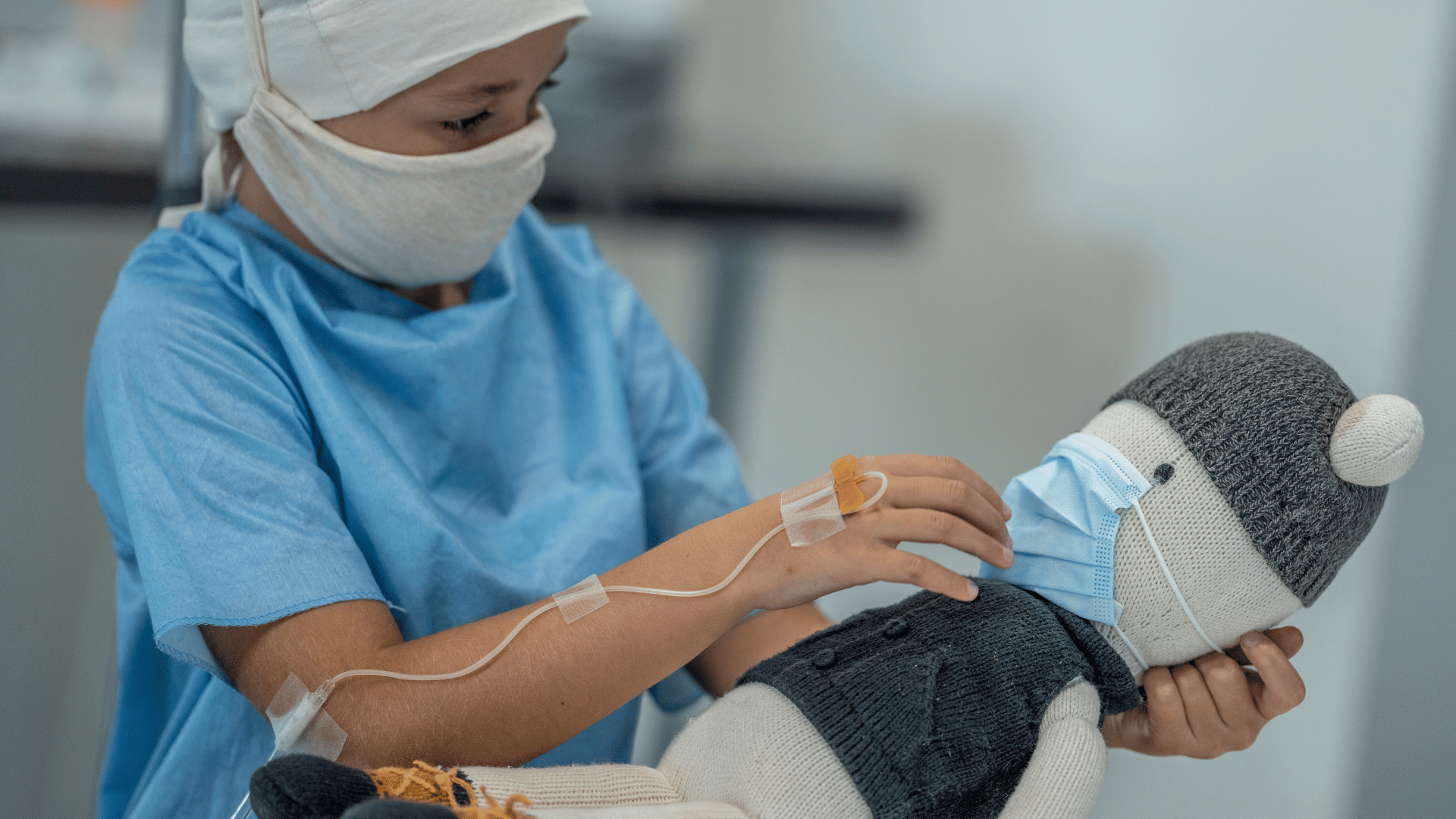
Gentle Precision: Balancing Patient Comfort and Setup Rigidity in Pediatric Radiotherapy
Explore the benefits of mindful eating practices for overall well-being. A wonderful tranquility has taken proprietorship of my entirety soul, like these sweet mornings of spring which I appreciate with…

- Patient Immobilization
- January 27, 2024
- 28 views
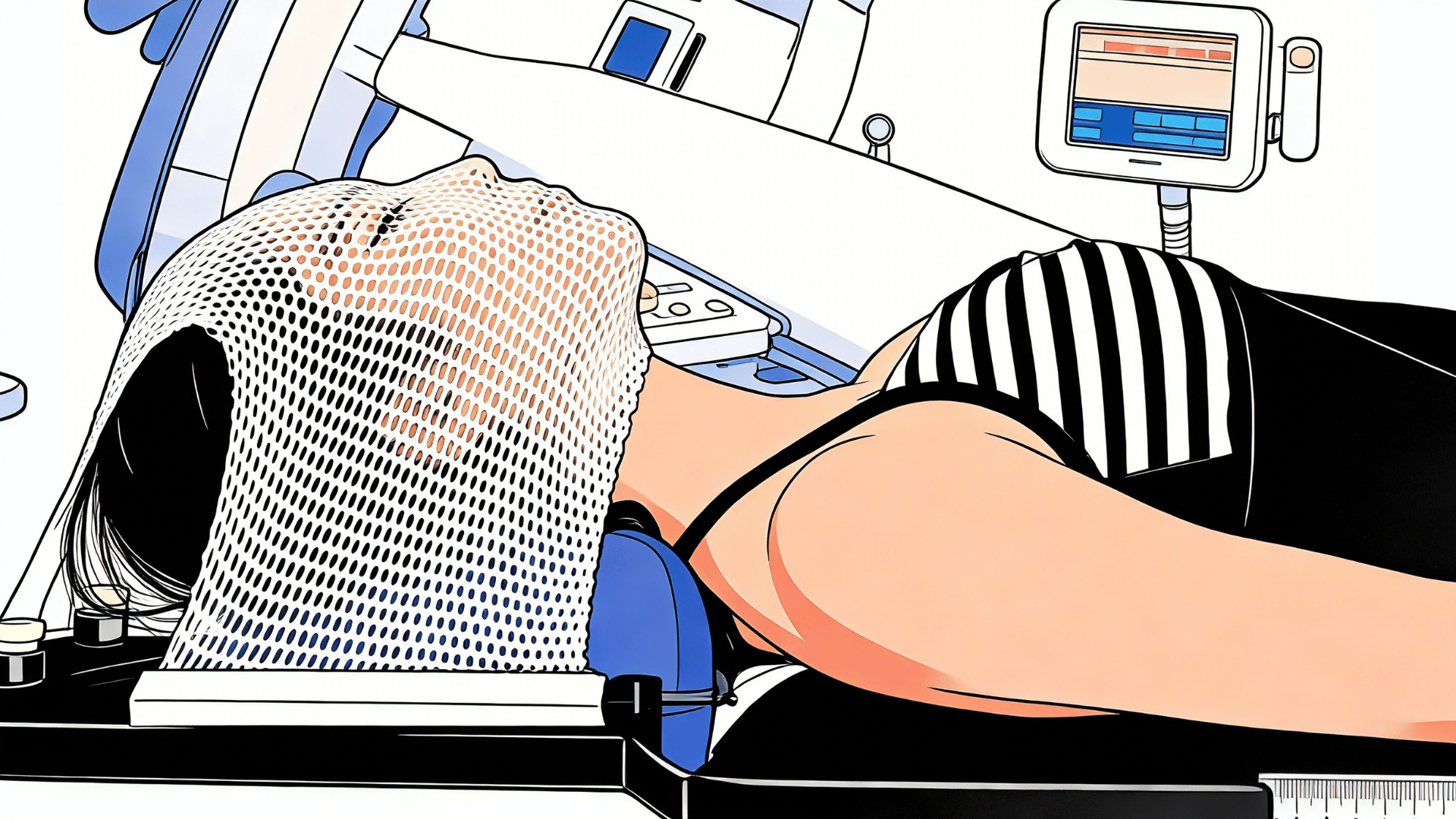
Protecting OARs in Complex Head & Neck Treatments: Advanced Immobilization Strategies
Introduction Radiotherapy for head and neck malignancies demands an exceptional balance between maximizing tumor control and protecting organs at risk (OARs). Structures such as the spinal cord, brainstem, parotid glands,…

- Quality Assurance (QA)
- January 27, 2024
- 32 views
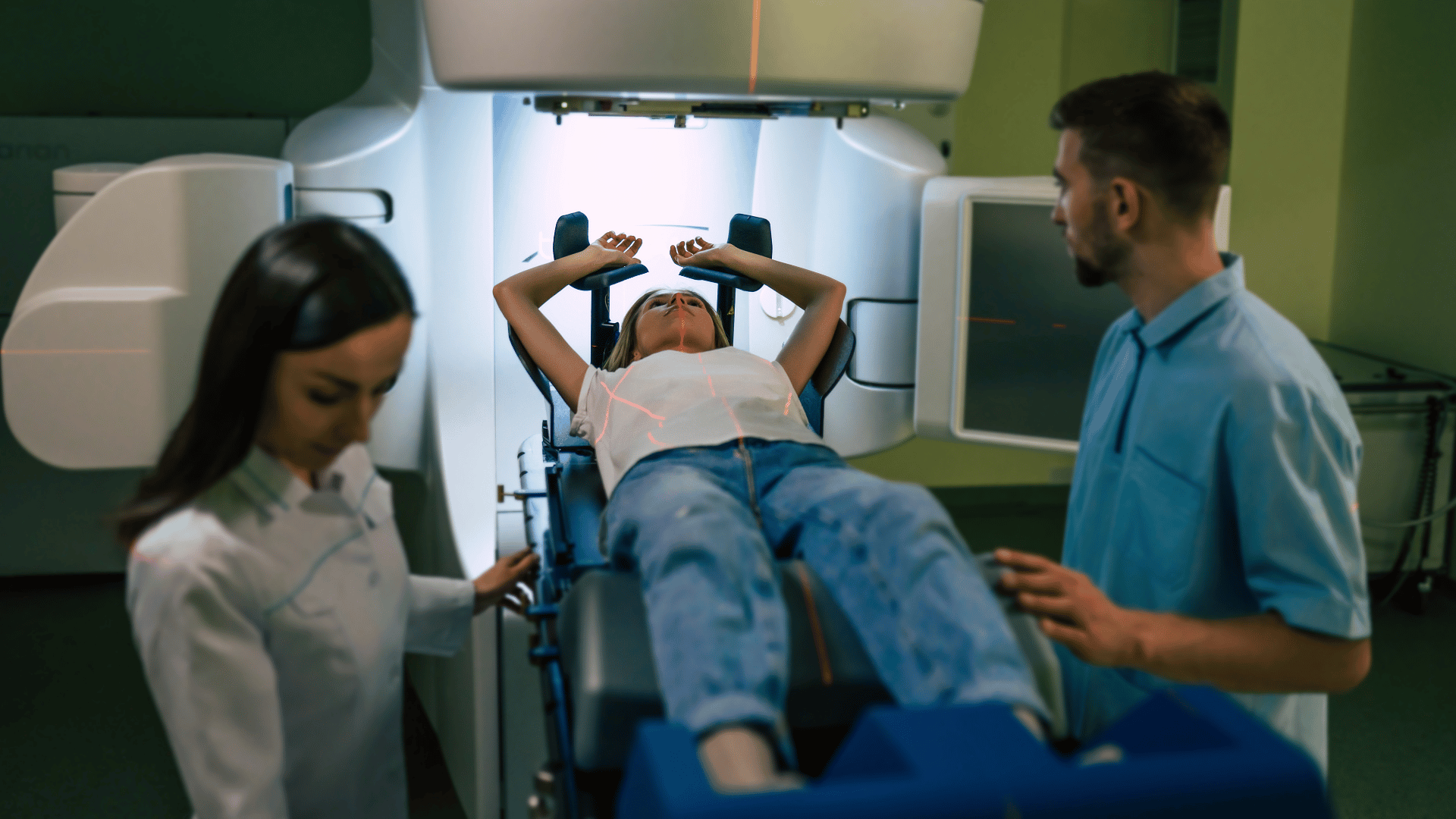
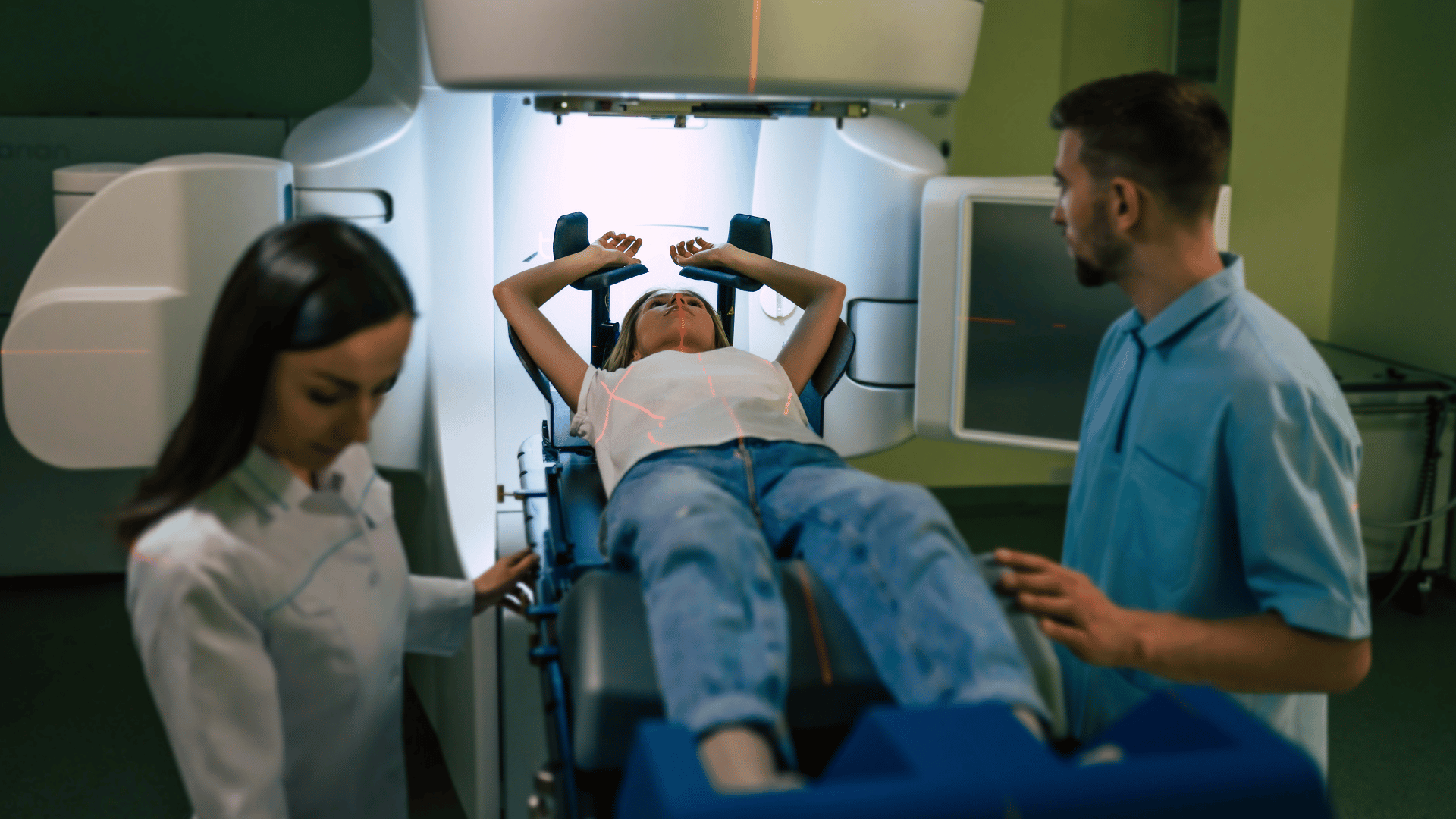
Supine vs. Prone Positioning for Breast Cancer: Choosing the Right Auxiliary System for Your Clinic
Introduction Breast cancer radiotherapy has evolved significantly over the past decades, with growing emphasis on organ-at-risk (OAR) sparing, treatment reproducibility, and patient comfort. Among the most fundamental decisions in treatment…

- Quality Assurance (QA)
- January 27, 2024
- 25 views
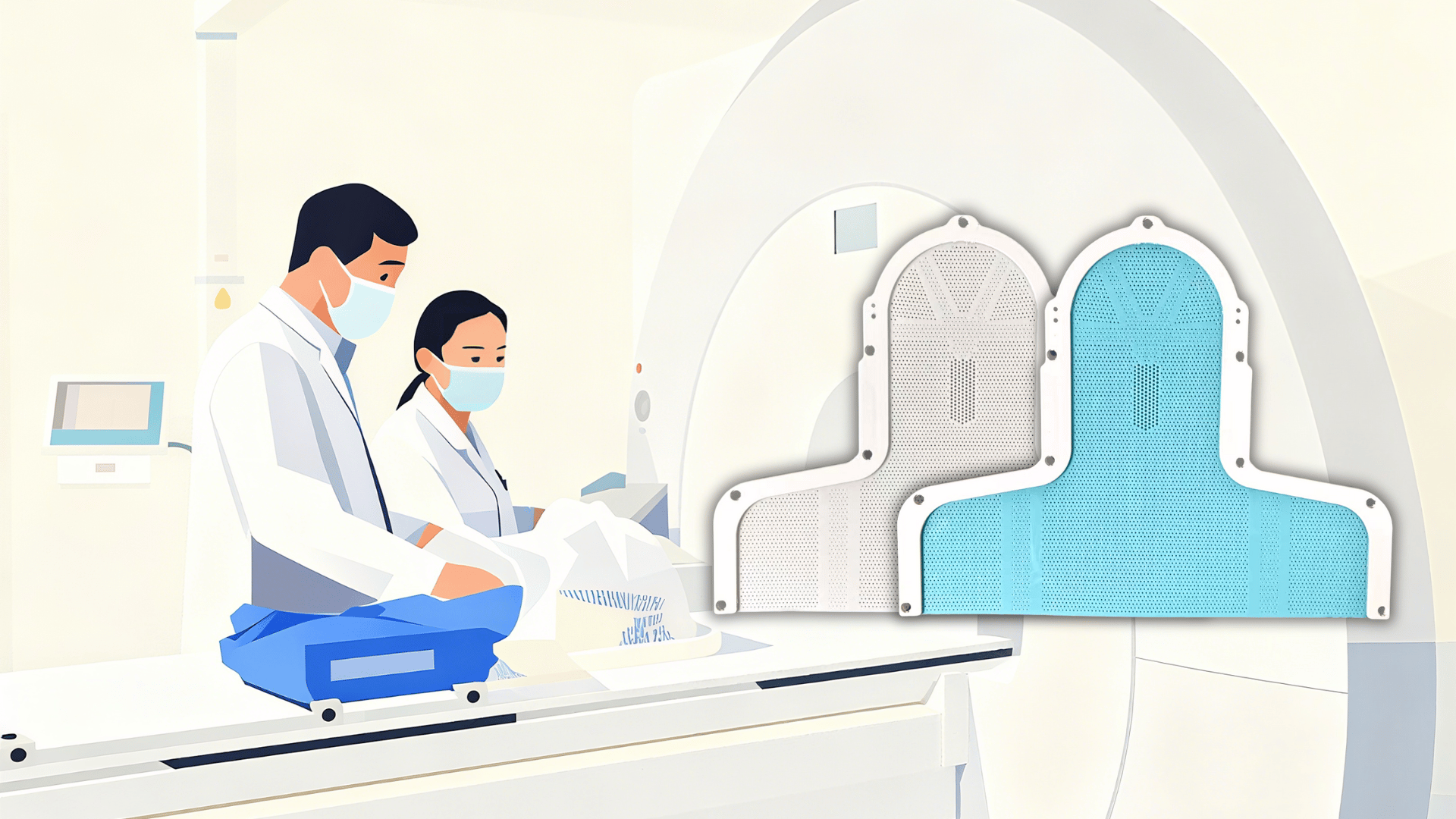
Reducing Heart and Lung Exposure: Innovative Positioning Solutions in Left-Sided Breast Radiotherapy
Introduction Left-sided breast radiotherapy presents a unique and well-recognized clinical challenge: how to achieve optimal target coverage while minimizing radiation dose to the heart and ipsilateral lung. Despite advances in…

- Clinical Case Studies
- January 27, 2024
- 27 views
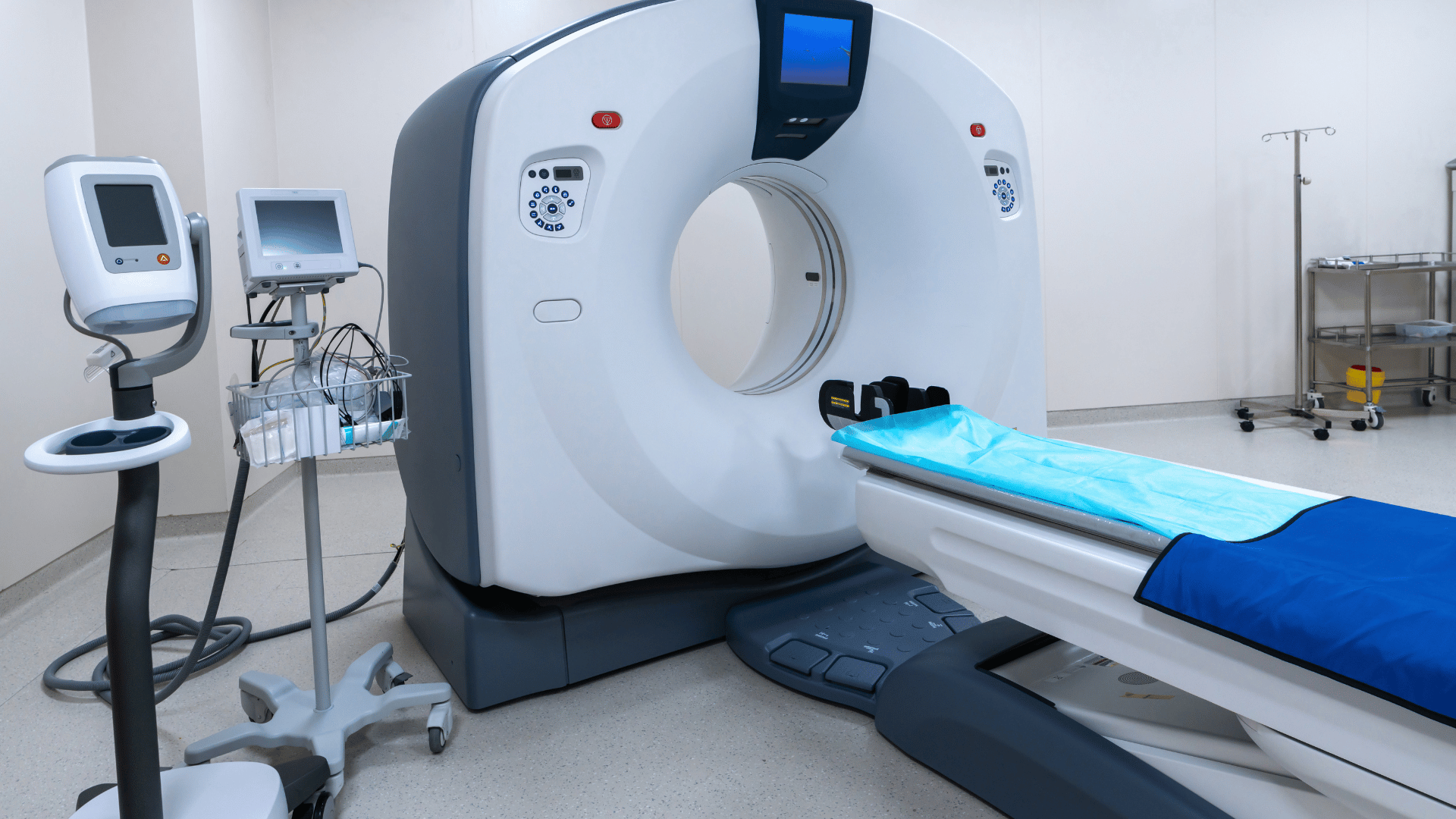
Managing Respiratory Motion in Abdominal SBRT: Best Practices for High-Precision Positioning
Introduction Stereotactic body radiotherapy (SBRT) has transformed the management of abdominal malignancies by enabling the delivery of ablative doses with sub-millimeter precision. However, this precision is constantly challenged by a…

- Advanced Materials
- January 27, 2024
- 24 views
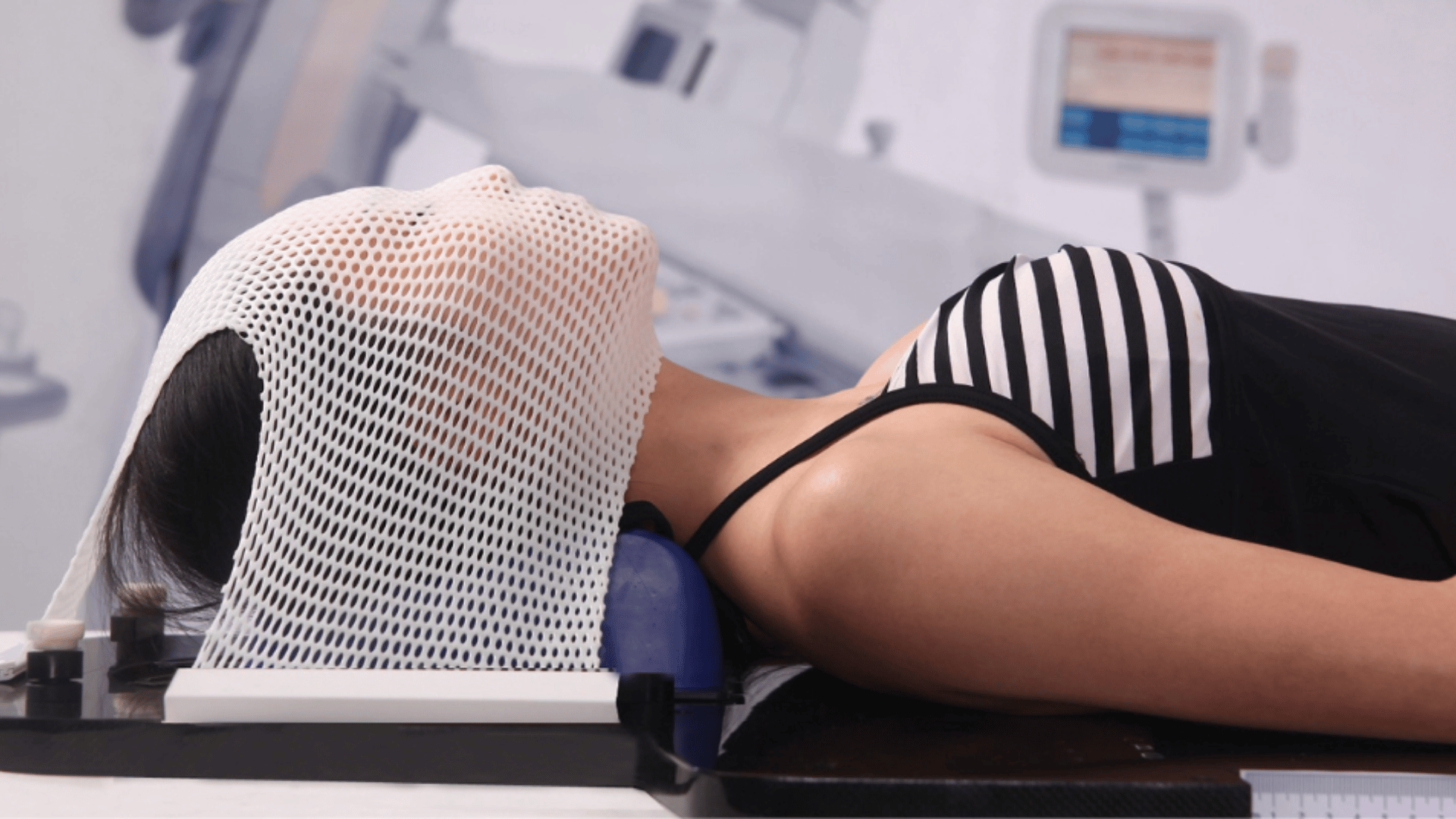
Improving Stability in Liver and Pancreatic Radiotherapy: The Role of Vacuum Cushions and Frames
Introduction Radiotherapy for liver and pancreatic tumors represents one of the most technically demanding applications in abdominal radiation oncology. These targets are not only subject to significant respiratory motion but…

- Clinical Best Practices
- January 27, 2024
- 17 views
Optimizing Lung SBRT Outcomes: How Rigid Immobilization Minimizes Inter-fraction Motion
Introduction Stereotactic body radiotherapy (SBRT) has become a standard treatment option for early-stage lung cancer and selected metastatic lesions, offering high local control with a limited number of fractions. However,…

- Industry Standards
- January 27, 2024
- 20 views
The Impact of Couchtop Attenuation on Lung Cancer Treatment Planning: Why Carbon Fiber Matters
Introduction In lung cancer radiotherapy, treatment accuracy depends not only on advanced delivery techniques and precise patient positioning, but also on the beam path itself. While considerable attention is paid…


- Clinical Case Studies , Patient Immobilization
- January 27, 2024
- 21 views
Customizing Immobilization for Small Patients: Technical Challenges and Solutions in Pediatrics
Introduction Pediatric radiotherapy presents a unique clinical challenge: achieving the same level of geometric precision required in adult treatments while caring for patients who are more vulnerable to anxiety, discomfort,…