 kevin clarke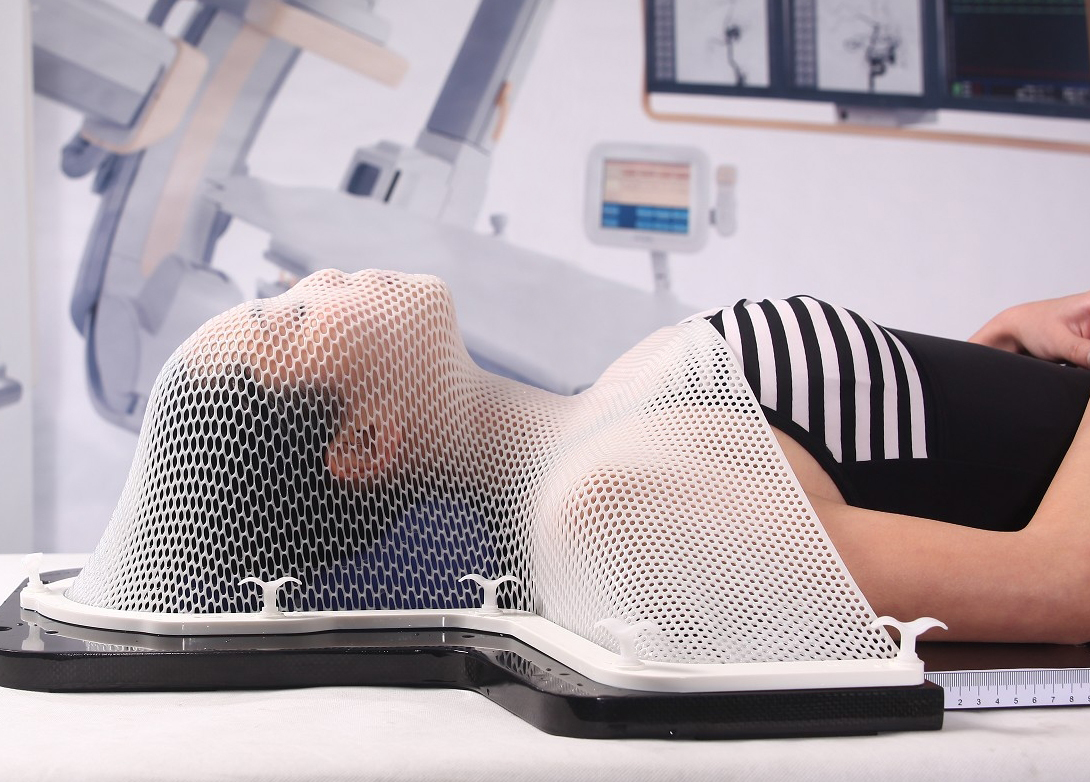
Enhancing Comfort and Breathability in Mask Immobilization
Introduction: When Claustrophobia Meets Precision Radiotherapy
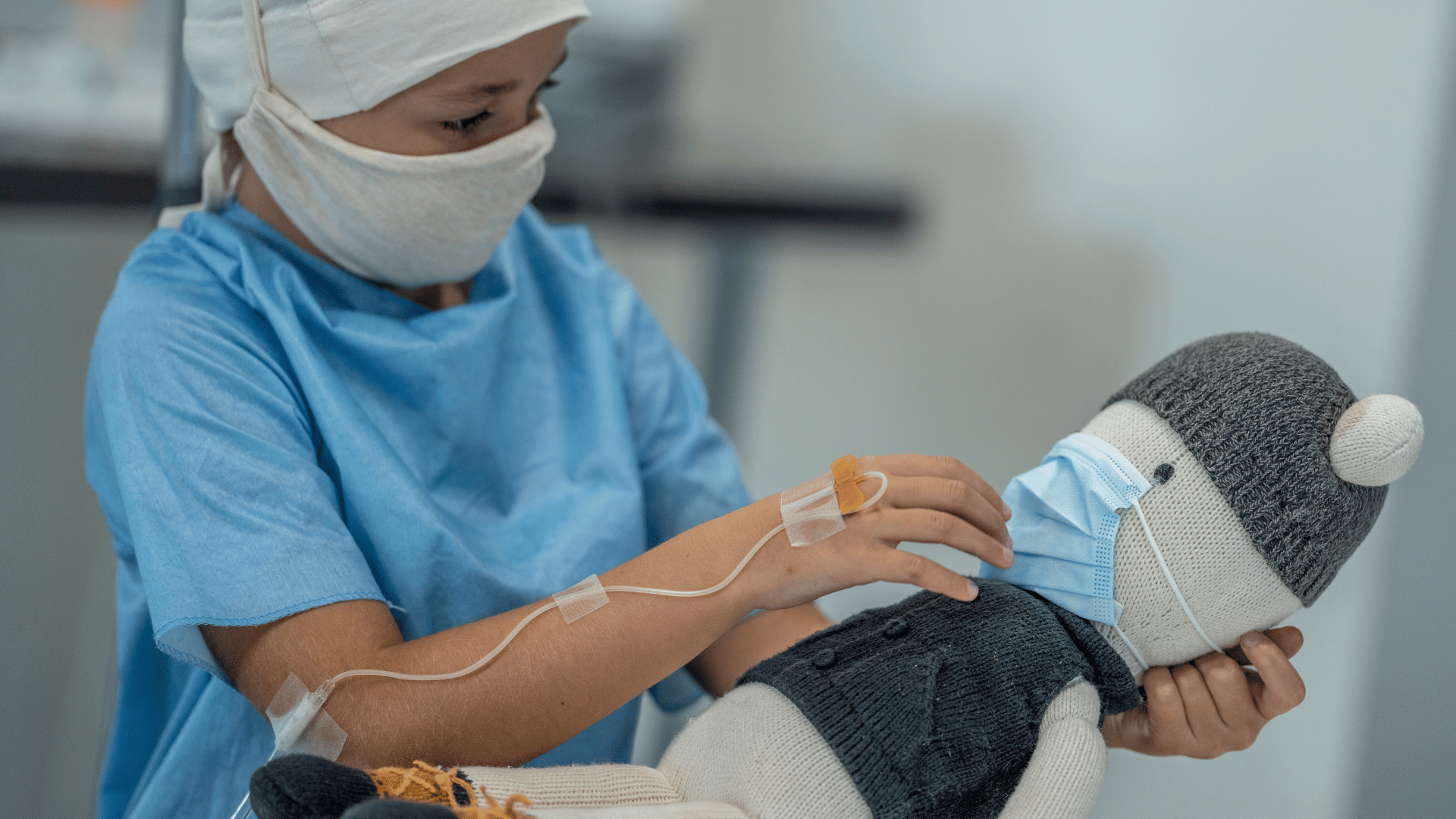
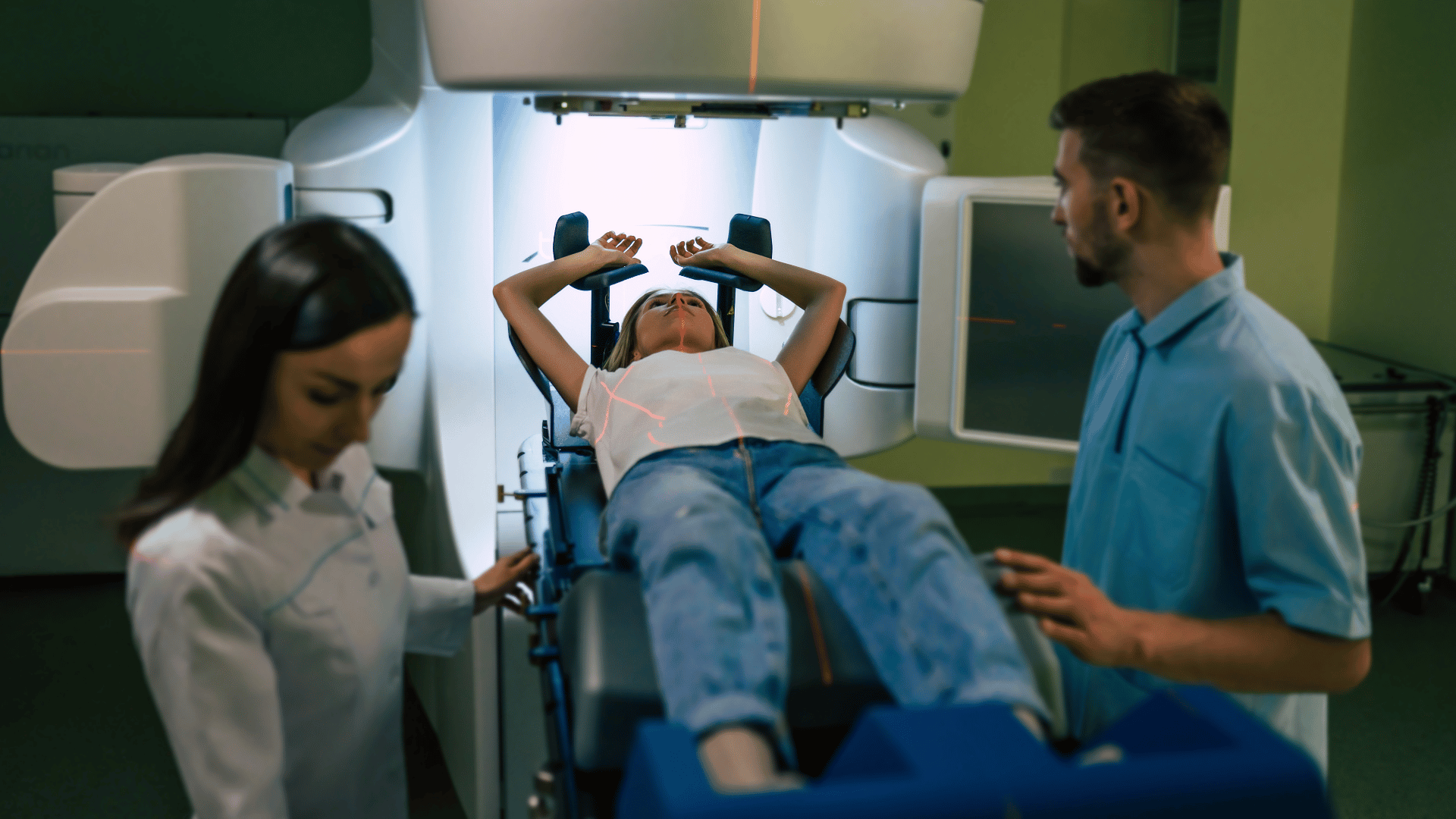
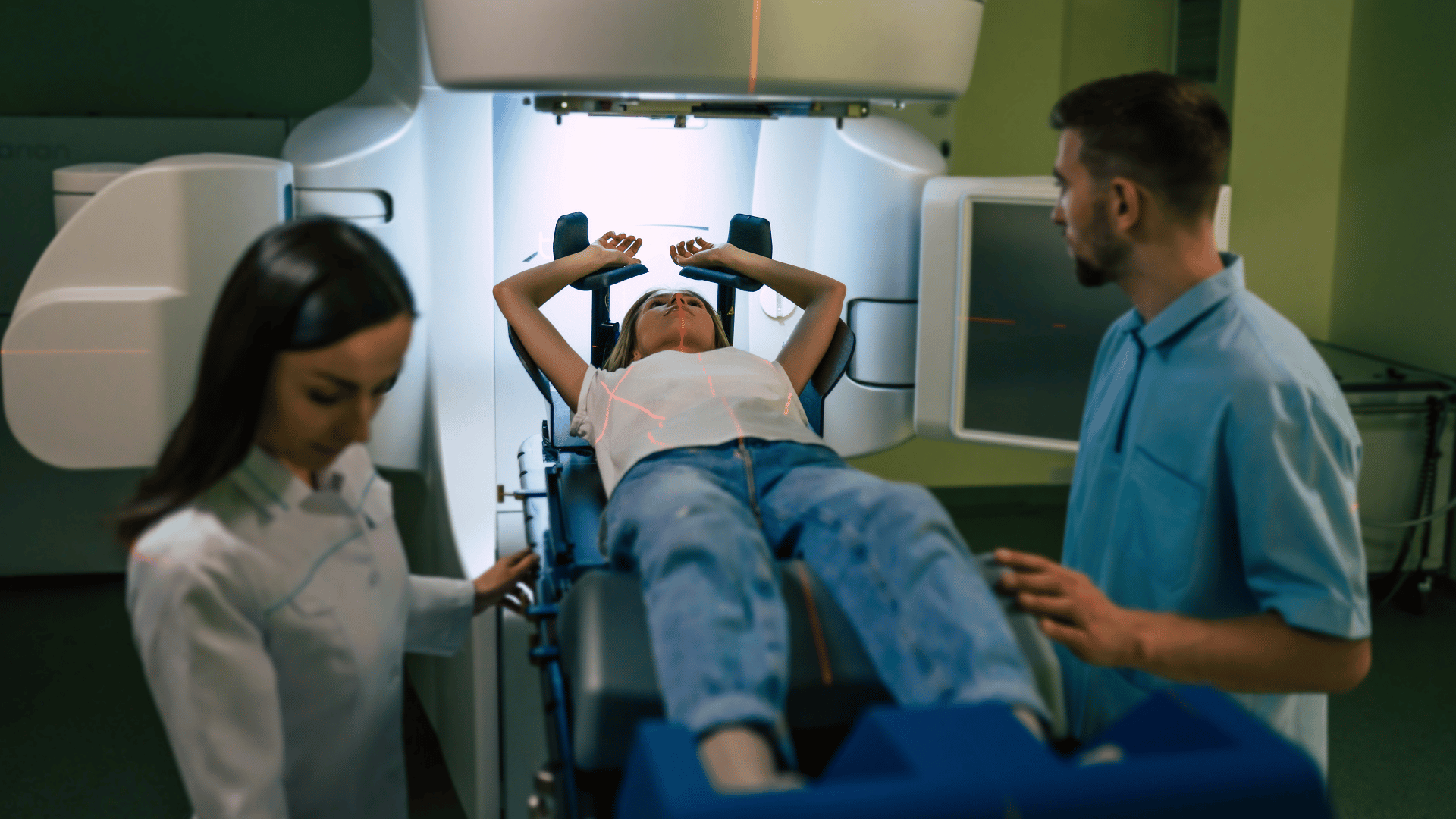
For many patients, the most intimidating part of radiotherapy is not the treatment itself, but the moment a thermoplastic mask is placed over their face. Claustrophobia and anxiety are common reactions, particularly in head and neck treatments where immobilization is essential.
Addressing patient anxiety is often viewed as a matter of empathy—but in radiotherapy, it is also a matter of precision. Discomfort and psychological stress can trigger subtle movements that undermine setup stability. This article explores how advances in material science and design help enhance comfort and breathability in mask immobilization, supporting both patient well-being and treatment accuracy.
Skin-Friendly Materials: Biocompatibility Matters
Why Material Choice Affects Patient Experience
The interface between the mask and the patient’s skin is continuous throughout the treatment course. Poor material compatibility can lead to:
- Skin irritation
- Allergic reactions
- Increased discomfort over time
These issues not only affect patient experience but can also reduce compliance.
Medical-Grade TPU and Biocompatibility
Advanced thermoplastic masks increasingly use medical-grade TPU (thermoplastic polyurethane) materials engineered for:
- Proven biocompatibility
- Low allergenic potential
- Smooth, skin-friendly surface texture
By minimizing skin reactions, these materials help patients tolerate immobilization more comfortably over repeated fractions.
The “Open-Face” Innovation: Reducing Anxiety Without Sacrificing Precision
What Is an Open-Face Mask?
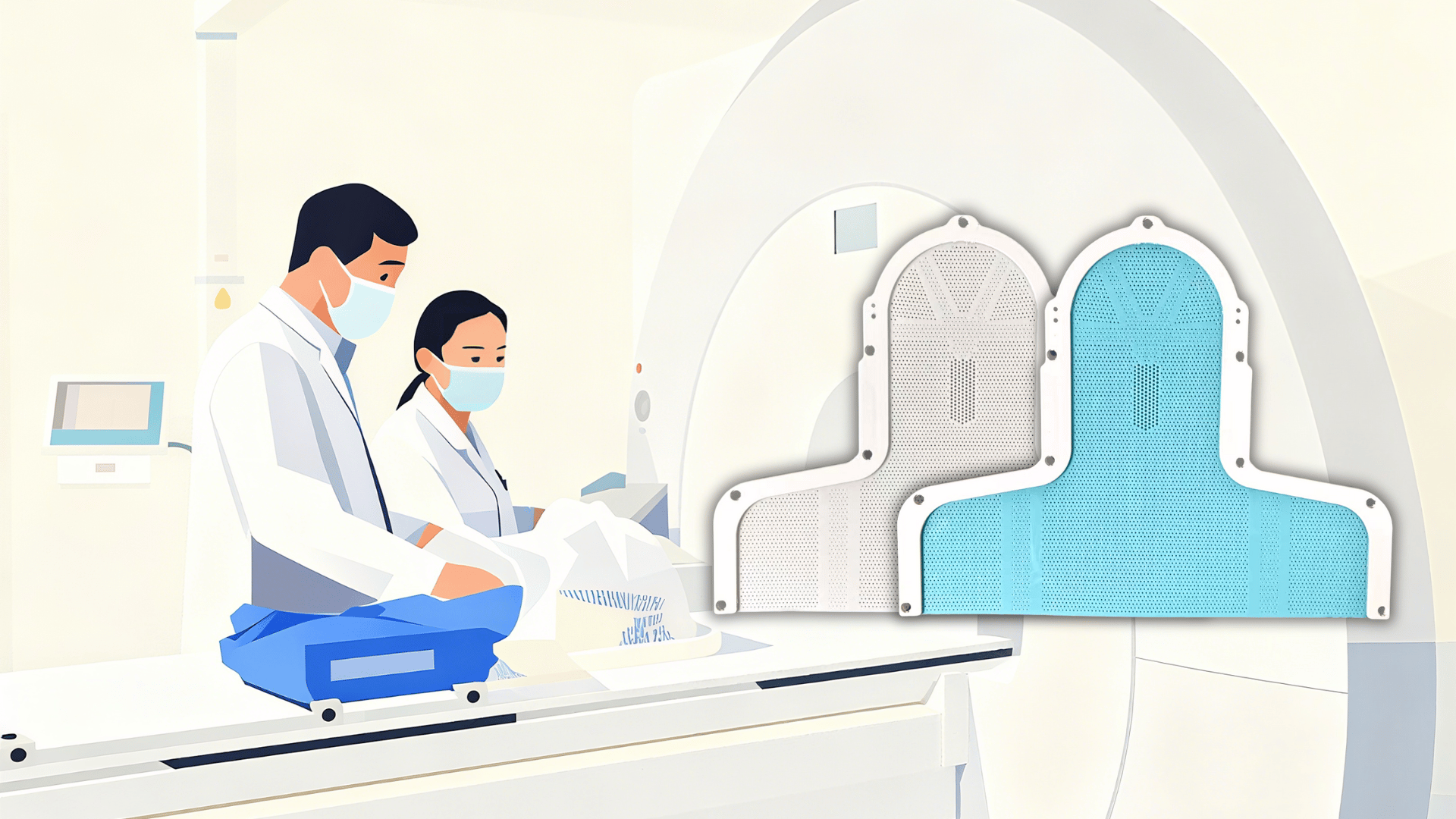
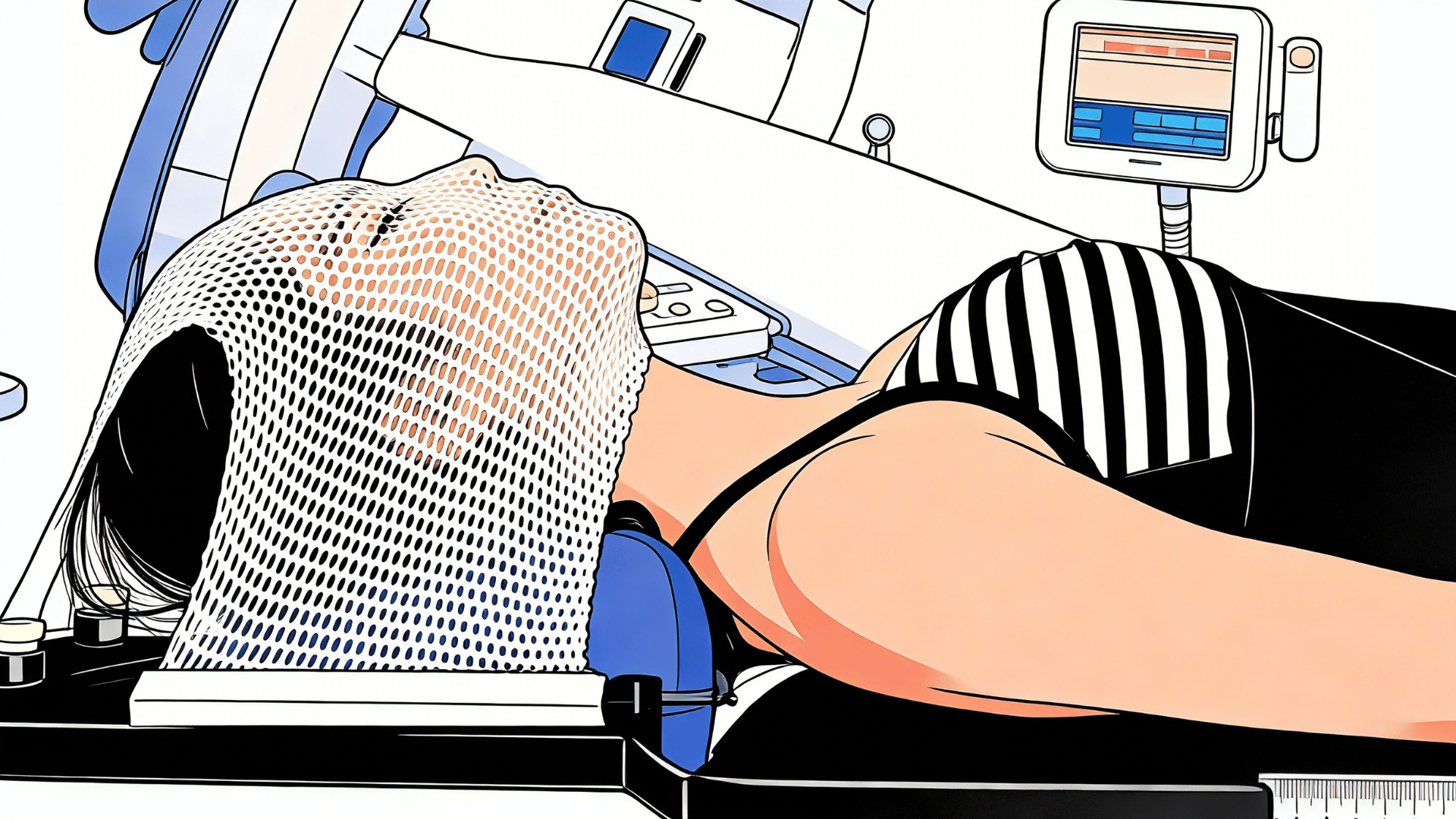
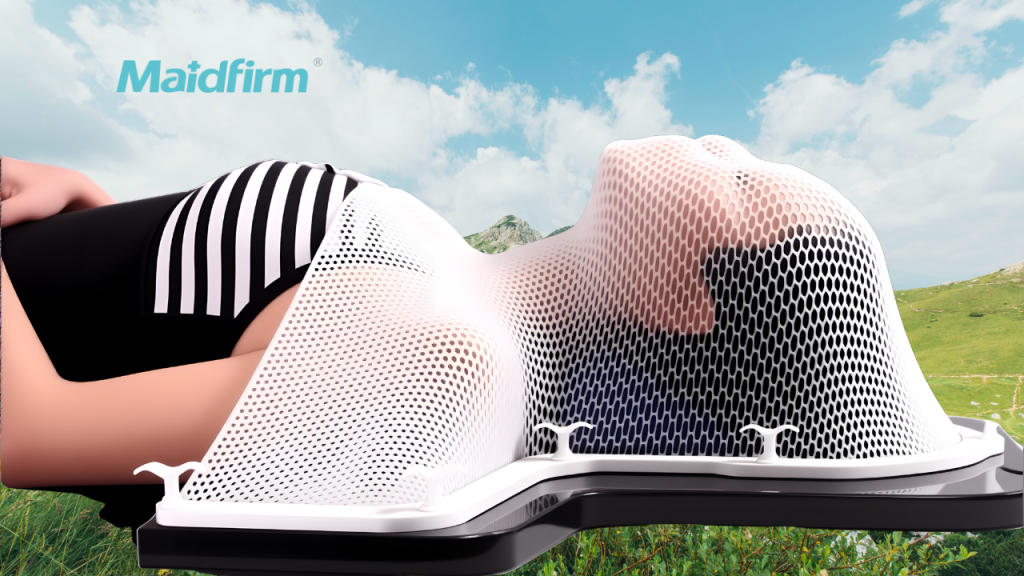
Open-face masks are designed with a cut-out around the eyes, nose, and mouth, allowing patients to see, breathe, and communicate more freely.
This design significantly reduces the feeling of confinement that often triggers anxiety.
Clinical Benefits in IGRT
Beyond comfort, open-face masks offer clinical advantages in IGRT workflows:
- Improved patient cooperation during setup
- Compatibility with surface imaging systems
- Clear visualization of facial landmarks
When combined with advanced image guidance, open-face designs maintain accurate positioning while improving patient tolerance.
Breathability and Psychological Comfort
The Role of Ventilation
Perforation patterns and open structures improve airflow around the face, helping patients feel less restricted. Better breathability reduces:
- Heat buildup
- Moisture accumulation
- Sensations of suffocation
These factors directly influence anxiety levels during treatment.
Odorless Experience: An Often Overlooked Factor
Why Smell Matters
Odor is a powerful psychological trigger. Strong or unpleasant smells from thermoplastics—especially when heated—can intensify anxiety and discomfort.
Low-Odor Materials and Patient Perception
Modern low-odor thermoplastics are formulated to:
- Minimize volatile emissions during heating
- Maintain neutral smell during molding and use
An odorless experience helps create a calmer environment, particularly for first-time patients.
Comfort and Motion: A Direct Connection
Patient anxiety often manifests as:
- Muscle tension
- Shallow or irregular breathing
- Subtle head or jaw movement
By improving comfort through skin-friendly materials, breathability, and open designs, clinics can reduce anxiety-induced micro-movements that compromise immobilization quality.
Manufacturer Perspective: Designing with the Patient in Mind
From a manufacturer’s standpoint, patient-centered design requires:
- Careful material selection
- Thoughtful geometry and ventilation design
- Validation under real clinical conditions
Comfort is not an aesthetic feature—it is a functional requirement for precision radiotherapy.
Conclusion: Comfort Supports Precision
Focusing on patient comfort is more than an act of compassion—it is a strategic approach to improving treatment stability. By reducing anxiety through skin-friendly materials, open-face designs, and odorless experiences, immobilization systems help patients remain calm and still.
In radiotherapy, a comfortable patient is a more stable patient. Enhancing comfort and breathability in mask immobilization ultimately supports the accuracy and effectiveness of every treatment.