 kevin clarke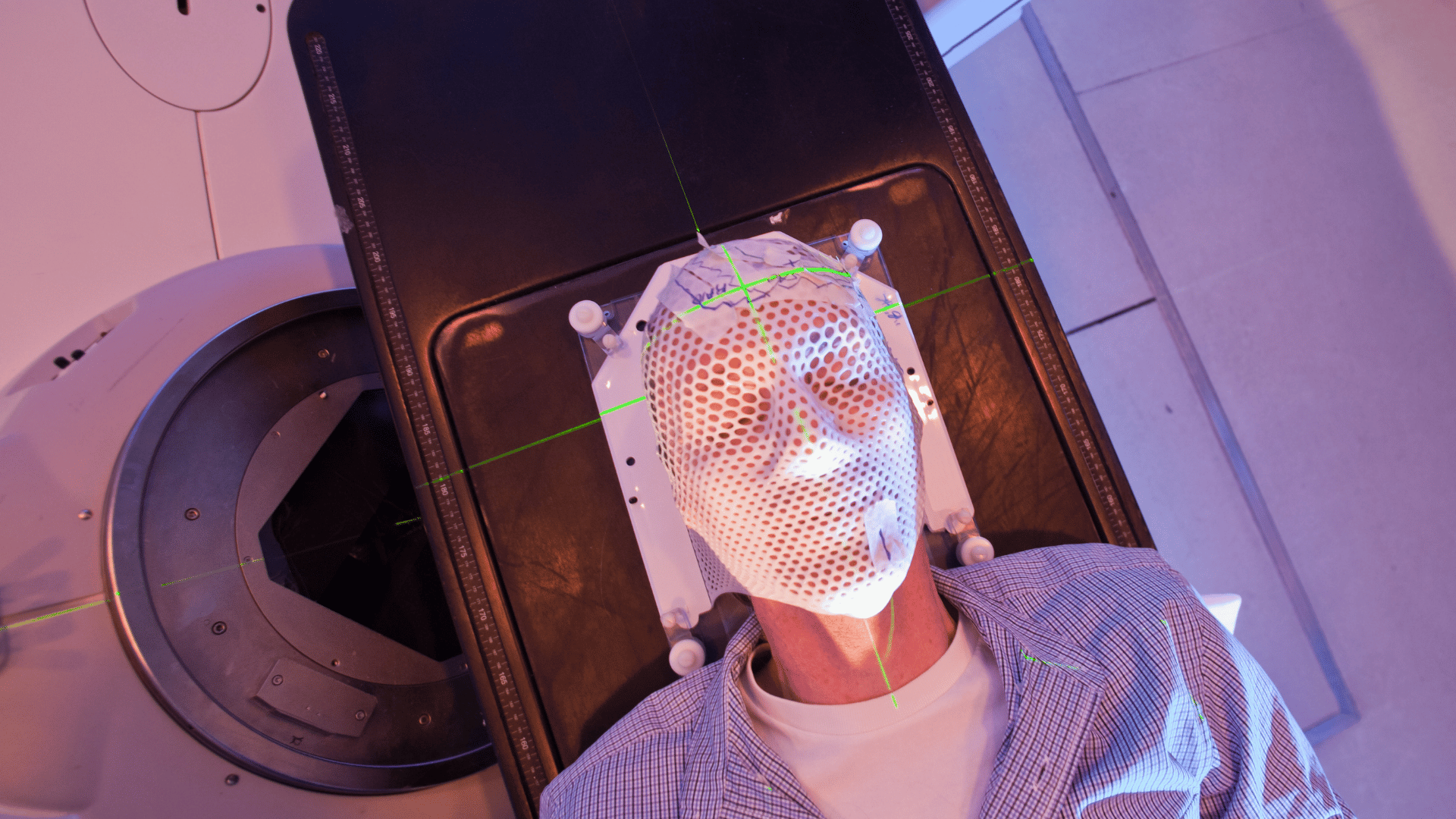
How to Choose the Optimal Thermoplastic Mask for Your Clinic
Introduction: Making Sense of the Options
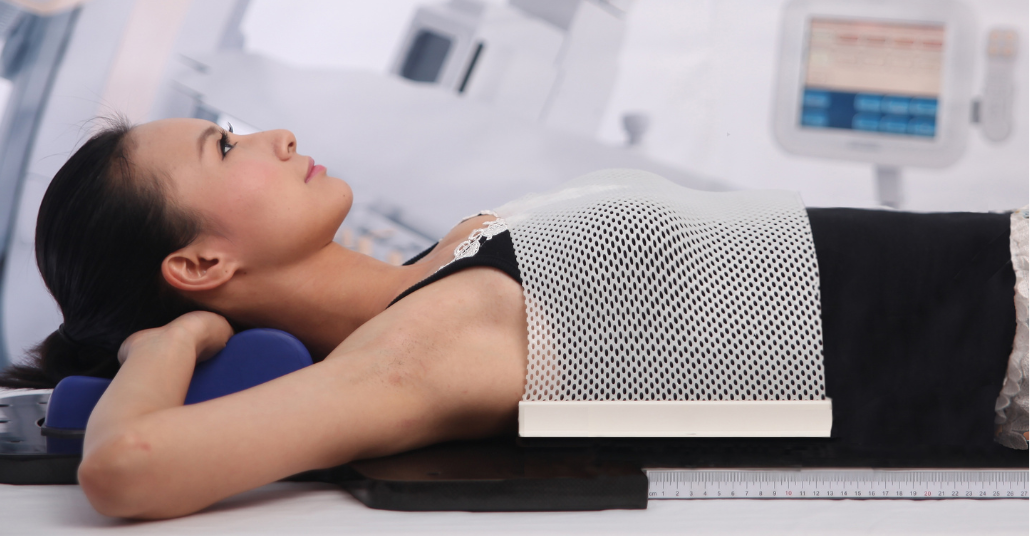
Thermoplastic immobilization masks are available in a wide range of configurations—perforated or solid, thin or thick, standard or reinforced. While these choices provide flexibility, they can also create uncertainty.
For medical physicists and clinical decision-makers, the key question is not which option is “best” in general, but which option best matches the clinical requirements of their department. This article provides a structured approach to evaluating thermoplastic mask specifications based on clinical, mechanical, and operational considerations.
Perforation Patterns: Balancing Ventilation and Fixation Strength
Why Perforation Matters
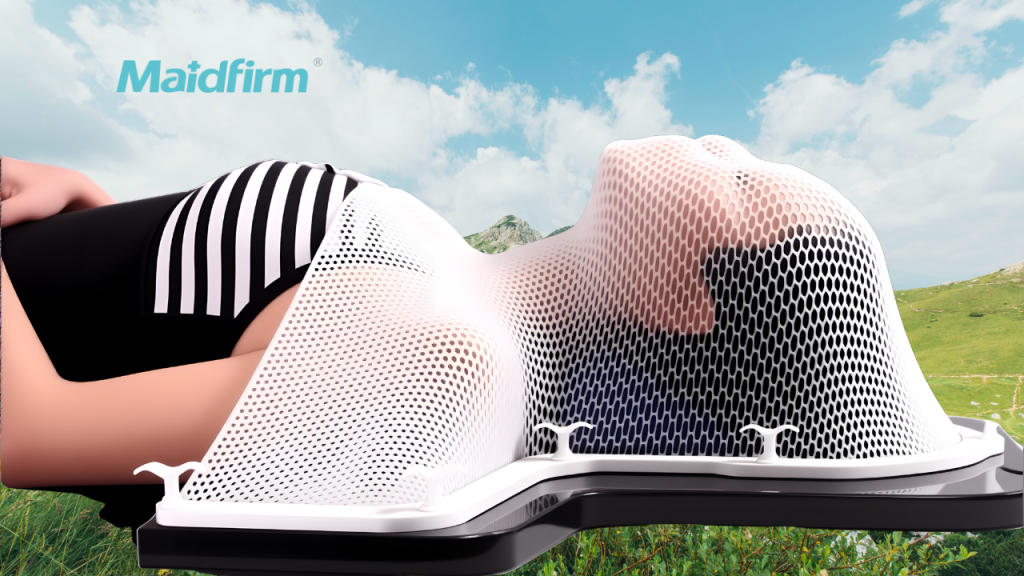
Perforation patterns influence both patient comfort and mechanical performance. Masks with perforations allow:
- Improved airflow and skin ventilation
- Reduced heat buildup during molding
- Lower anxiety, particularly for claustrophobic patients
These benefits are especially important in head and neck radiotherapy.
Trade-Offs in Fixation Strength
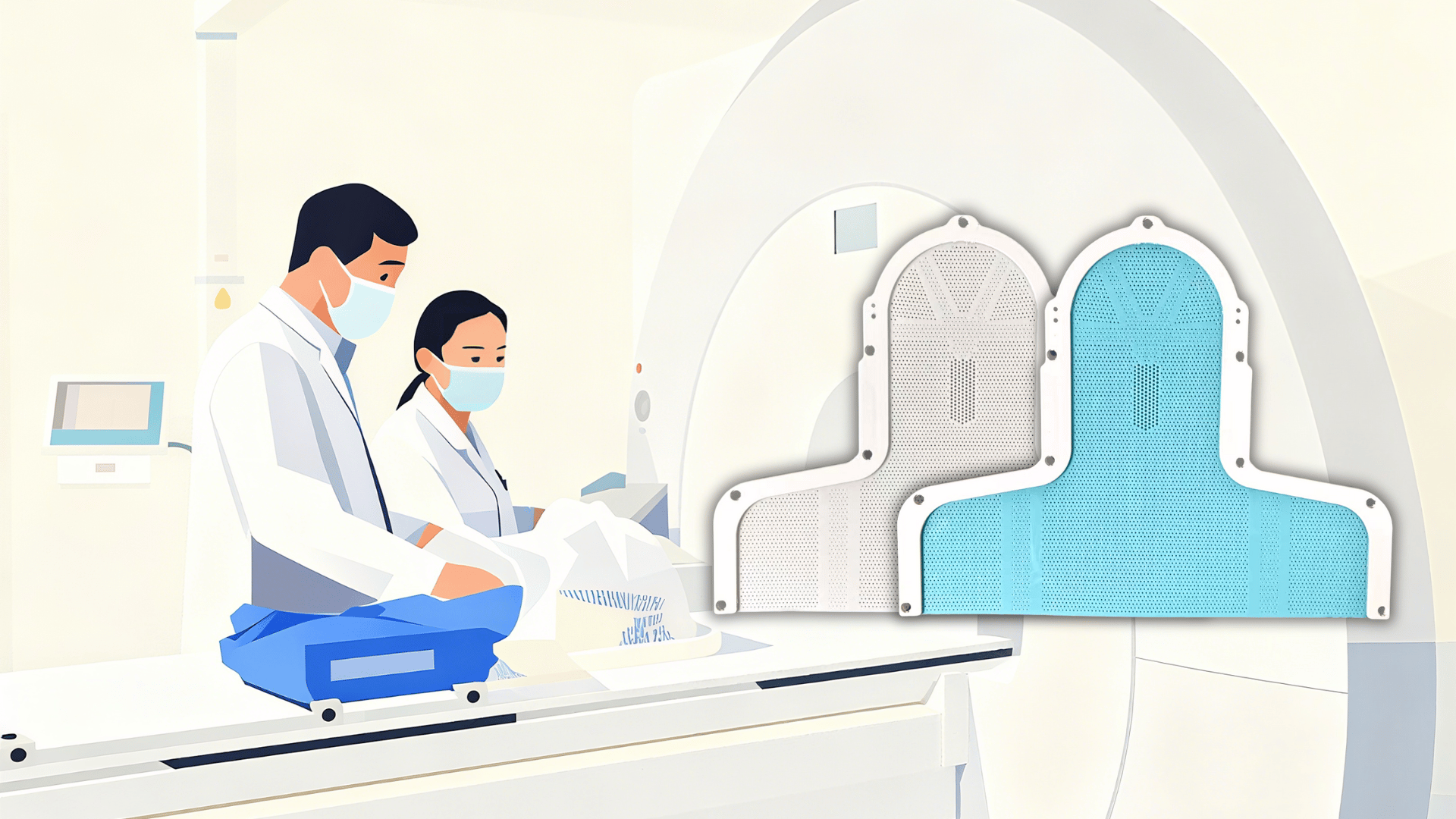
Higher perforation rates reduce material volume, which can slightly decrease overall stiffness. Well-designed perforated masks mitigate this by:
- Optimizing hole size and spacing
- Maintaining uniform stress distribution
- Preserving rigidity in high-load regions
The goal is comfort without compromising immobilization quality.
When to Choose Solid Masks
Solid (non-perforated) masks may be preferred when:
- Maximum rigidity is required
- Ventilation is less critical
- Additional accessories or attachments are used
They are sometimes selected for specialized applications or non-facial immobilization.
Thickness Matters: Matching Rigidity to Clinical Application
2.4 mm Masks: Precision for Head & Neck
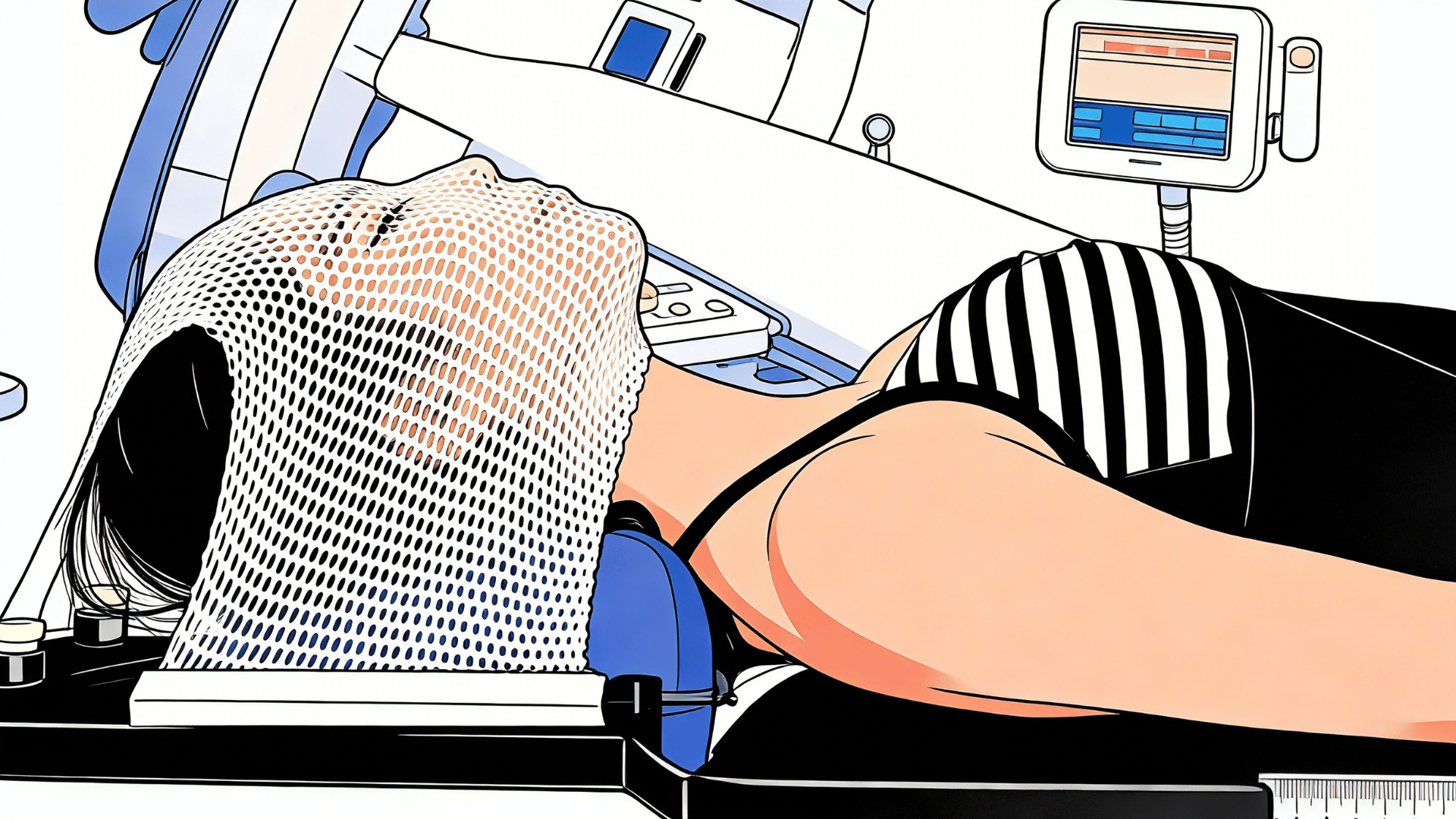
In head and neck radiotherapy, masks must conform closely to complex anatomy while maintaining patient tolerance.
2.4 mm thermoplastic masks are commonly used because they:
- Provide sufficient rigidity for cranial immobilization
- Allow fine anatomical molding
- Reduce pressure-related discomfort
This thickness strikes an effective balance between precision and comfort.
3.2 mm Masks: Stability for Body Applications
For body immobilization or situations with higher mechanical demands, 3.2 mm masks offer:
- Increased stiffness
- Greater resistance to deformation
- Improved stability under load
They are often used in body stereotactic treatments or larger immobilization structures.
Reinforced Designs: Targeted Rigidity Without Added Weight
What Are Reinforced Masks?
Reinforced masks incorporate integrated structural ribs or reinforced zones within the thermoplastic sheet.
Rather than increasing overall thickness, these designs:
- Enhance stiffness in critical regions
- Maintain lightweight structure
- Preserve patient comfort
Clinical Advantages of Reinforcement
Reinforced designs are particularly valuable when:
- Additional rigidity is required around key anatomical landmarks
- Weight reduction is desired
- Enhanced long-term stability is needed without sacrificing ventilation
They represent an intelligent approach to material efficiency.
A Structured Selection Framework
When selecting thermoplastic masks, clinics should consider:
- Treatment site (head & neck vs body)
- Precision requirements (conventional vs stereotactic)
- Patient population (pediatric, anxious, or claustrophobic)
- Workflow efficiency and remolding rates
- Long-term cost and material utilization
A well-matched selection reduces waste and improves clinical outcomes.
Cost Efficiency Through Proper Matching
Choosing the optimal mask configuration does more than improve precision—it also reduces operational costs by:
- Minimizing remolding and material waste
- Shortening setup and molding time
- Reducing patient discomfort-related interruptions
Over time, correct selection leads to measurable efficiency gains.
Conclusion: Precision, Comfort, and Cost Are Connected
There is no single “best” thermoplastic mask—only the best match for a given clinical scenario. By understanding the implications of perforation patterns, thickness options, and reinforced designs, clinics can make informed decisions that enhance setup accuracy while optimizing comfort and cost.
Smart selection is not an expense—it is an investment in precision and efficiency.