 kevin clarke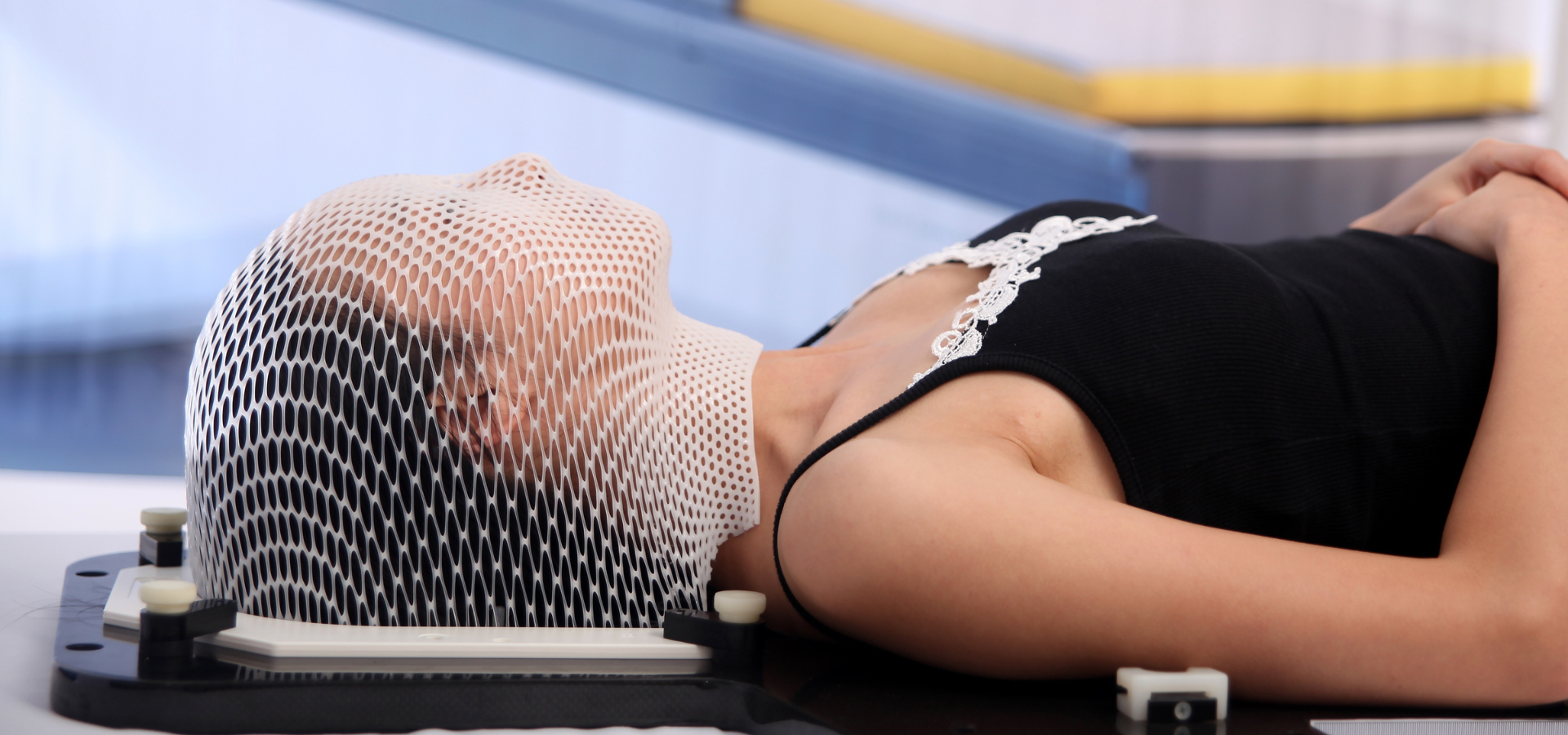
A Step-by-Step Guide to Thermoplastic Mask Molding
Introduction: Even the Best Material Requires the Right Technique
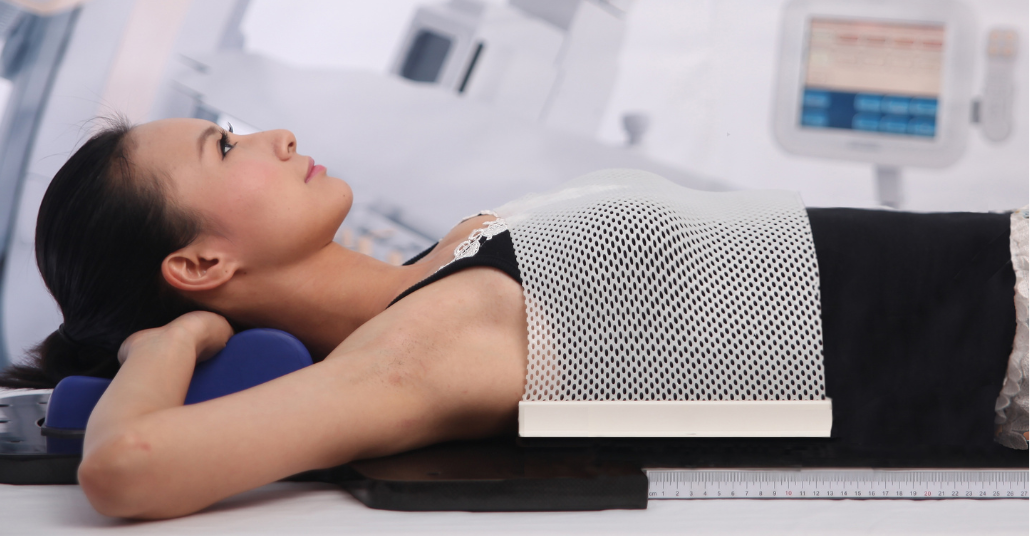
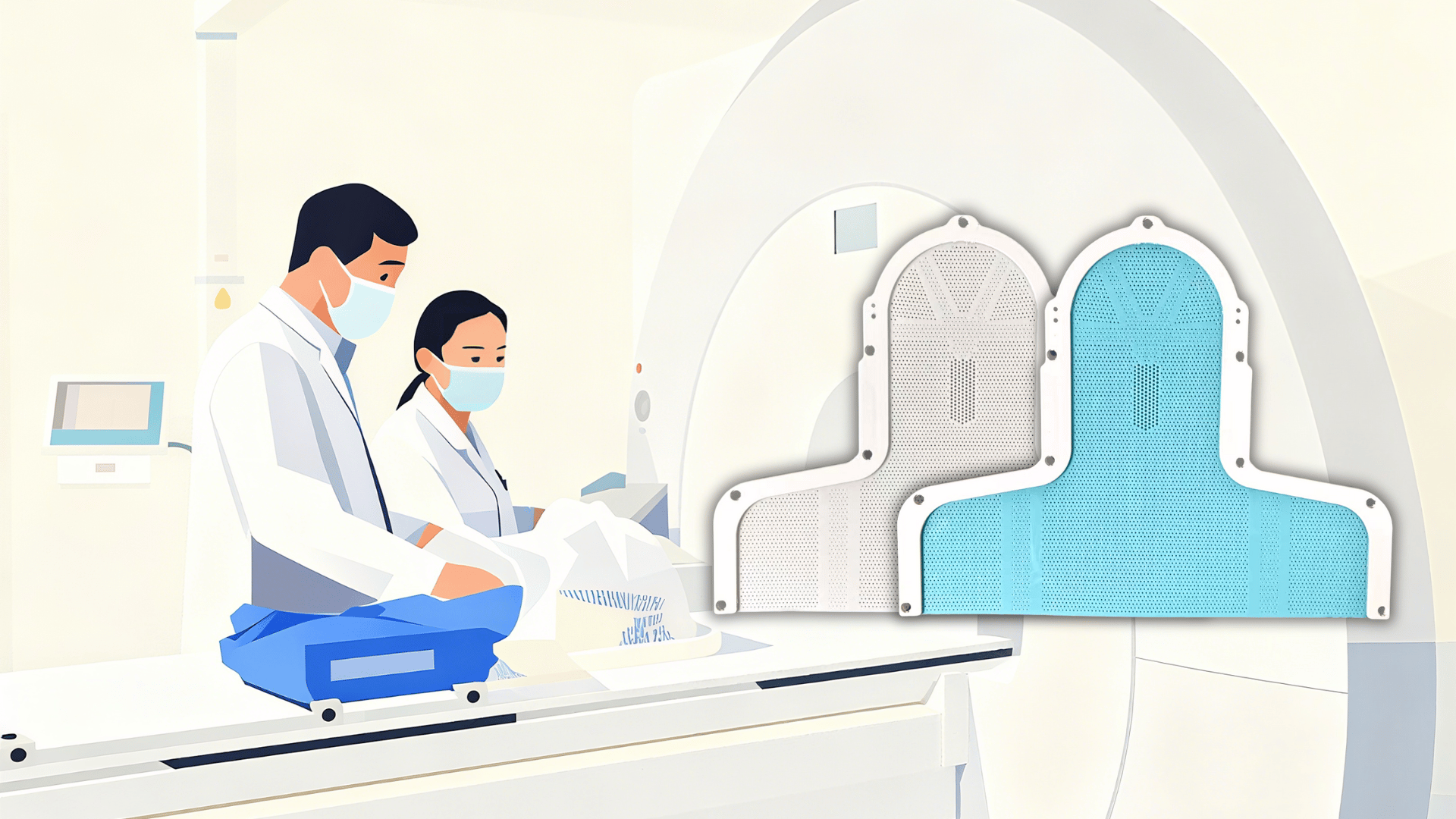
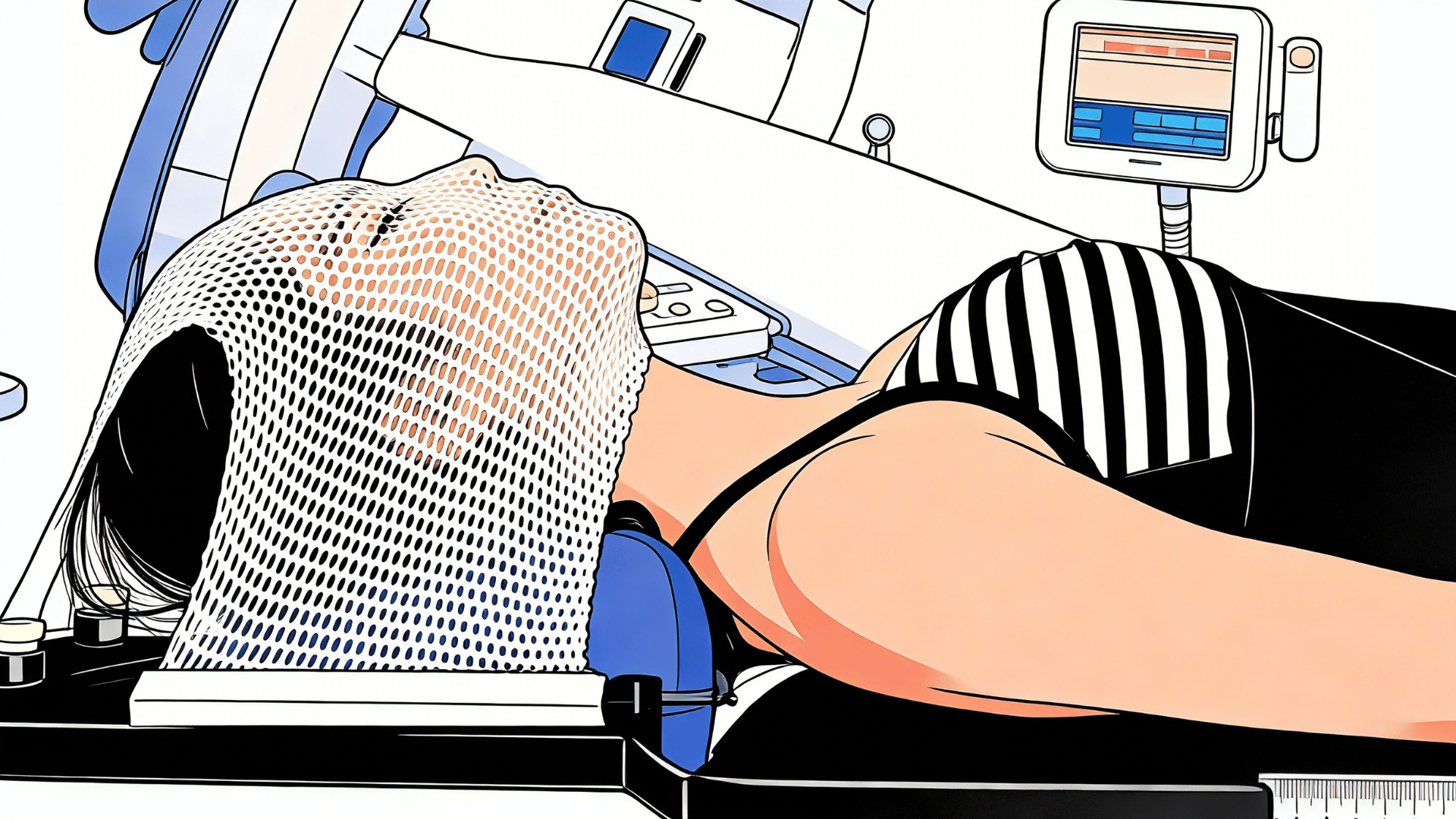
High-quality thermoplastic masks are essential for precise patient immobilization in radiotherapy. However, even the most advanced material cannot compensate for poor molding technique. In daily clinical practice, setup reproducibility depends just as much on the skill and consistency of the radiation therapist as on the material itself.
This guide shares practical, experience-based tips used by clinical technologists to achieve a reliable, comfortable, and reproducible thermoplastic mask fit—every time.
Step 1: Preparation — Water Bath Setup and Hygiene
Proper preparation sets the foundation for successful mask molding.
Water Bath Preheating
The water bath should be preheated to the manufacturer-recommended temperature, typically 65–70°C, before the patient enters the treatment room. Consistent temperature ensures:
- Uniform softening of the thermoplastic
- Predictable molding behavior
- Reduced preparation time
Avoid overheating, as excessive temperatures can weaken the material and increase patient discomfort.
Water Bath Cleanliness
Clean water is essential. Residual plastic particles, gel, or contaminants can:
- Adhere to the mask surface
- Affect softening uniformity
- Compromise patient comfort and hygiene
Regular water replacement and daily cleaning are recommended best practices.
Step 2: Drying Technique — Why Excess Water Must Be Removed
Once the thermoplastic sheet is fully softened, it should be thoroughly but gently dried before being placed on the patient.
Preventing Thermal Injury
Excess water trapped on the mask surface can transfer heat rapidly, increasing the risk of:
- Skin discomfort
- Localized thermal irritation
- Patient anxiety during molding
Drying the mask reduces this risk significantly.
Controlling Cooling Speed
Residual water also alters the cooling process. Uneven cooling can lead to:
- Inconsistent shrinkage
- Local deformation
- Reduced shape stability
By removing excess water, therapists ensure controlled and uniform cooling.
Step 3: Molding Process — Technique Matters
Patient Breathing Guidance
Before placing the mask, therapists should clearly instruct the patient to:
- Breathe calmly through the nose
- Avoid talking or swallowing during molding
- Signal discomfort if needed
Clear communication improves cooperation and reduces unintended movement.
Molding Sequence: From Nose Bridge to Chin
A structured molding sequence helps achieve optimal anatomical conformity:
- Nose bridge – Establish the central reference point
- Cheekbones and midface – Ensure symmetrical contact
- Jawline and chin – Secure inferior stability
- Forehead and temples – Final contouring
Applying gentle, even pressure—rather than forceful pressing—improves comfort and precision.
Step 4: Cooling Time — Patience Prevents Deformation
Why Full Cooling Is Essential
One of the most common mistakes in mask molding is removing the mask before it has fully cooled. Premature removal can result in:
- Elastic recoil
- Gradual shape distortion
- Reduced long-term rigidity
Even if the surface feels firm, internal layers may still be cooling.
Best Practice for Cooling
Therapists should:
- Allow sufficient time for complete cooling
- Avoid repositioning or adjusting during this phase
- Reassure the patient to remain still
This patience ensures lasting shape stability.
Common Pitfalls to Avoid
- Inconsistent water bath temperature
- Skipping the drying step
- Applying uneven or excessive pressure
- Rushing the cooling process
Avoiding these errors significantly improves first-time success rates.
Conclusion: Standardized Technique Reduces Remolding
Achieving the perfect thermoplastic mask fit is the result of material quality combined with standardized technique. By following a consistent, step-by-step molding process, clinics can:
- Improve setup reproducibility
- Enhance patient comfort
- Reduce intrafraction motion
- Significantly lower the need for remolding
In radiotherapy, precision begins long before treatment delivery. Mastering thermoplastic mask molding is a fundamental skill that pays dividends throughout the entire course of treatment.