 kevin clarke
Introduction
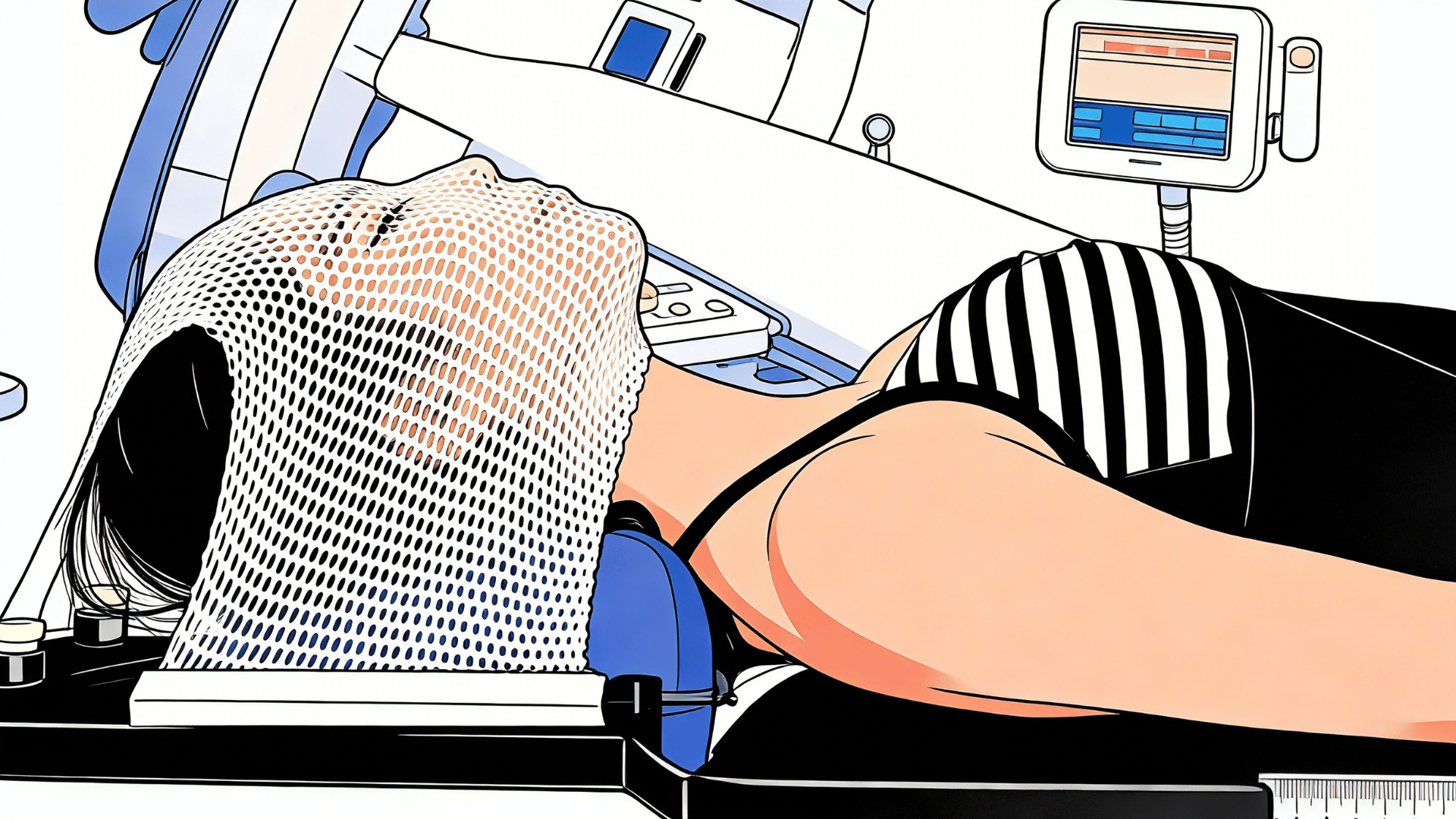
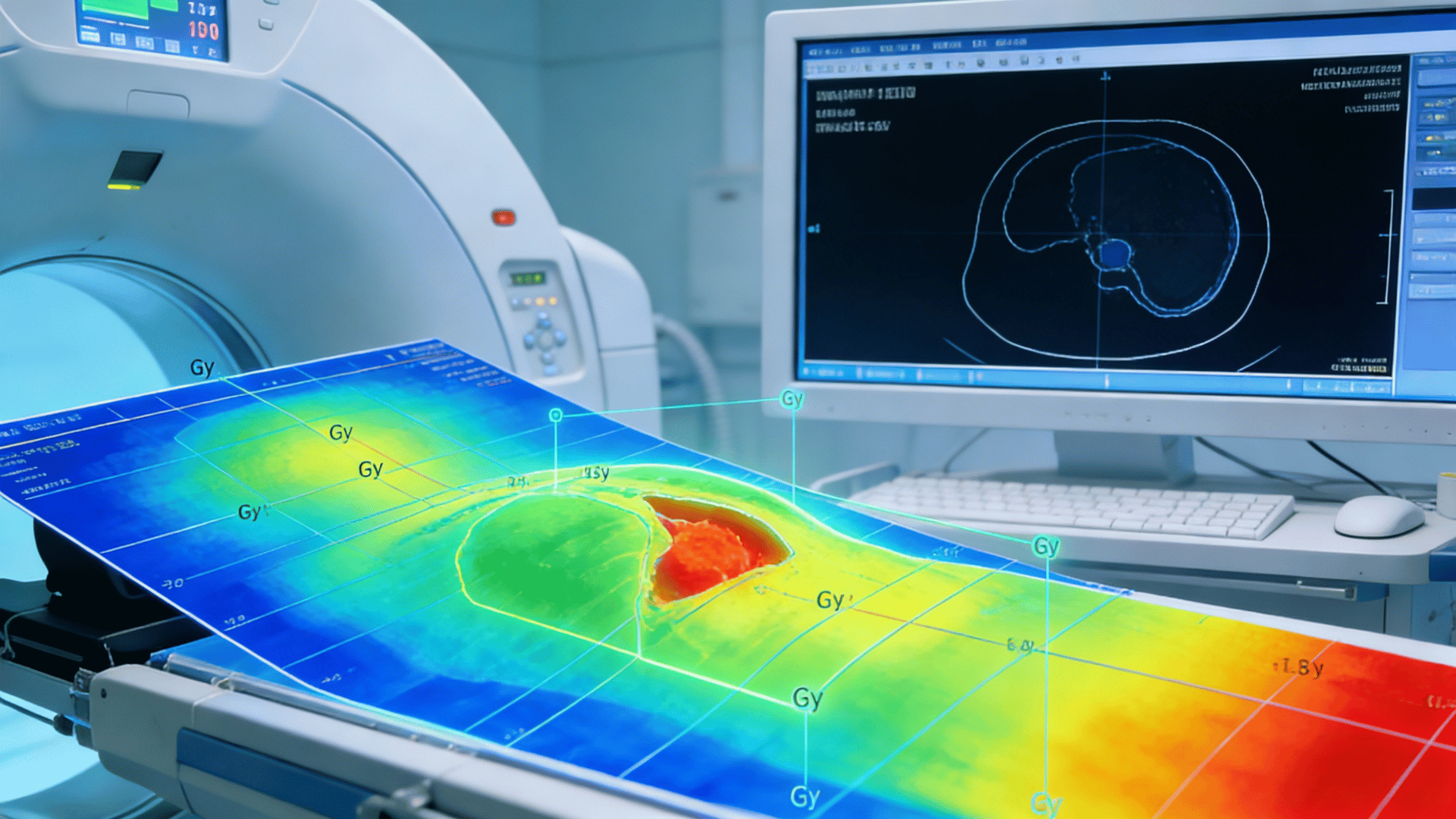
Brachytherapy remains one of the most precise forms of radiation therapy, delivering high doses directly to or near the target while sparing surrounding tissues. However, this precision comes with unique challenges. Unlike external beam radiotherapy, brachytherapy accuracy depends not only on imaging and planning, but also on secure transfer, stable positioning, and controlled geometry throughout the entire procedure.
This article explores how specialized transfer and positioning solutions support both precision and safety in modern brachytherapy workflows.
Why Precision Is Critical in Brachytherapy
In brachytherapy, small geometric deviations can result in significant dosimetric consequences due to:
- Extremely steep dose gradients
- Close proximity of organs at risk
- High source strength in HDR treatments
Millimeter-level shifts in applicator position can lead to meaningful changes in target coverage and OAR dose.
Unique Workflow Challenges in Brachytherapy
Unlike external beam treatments, brachytherapy often involves:
- Patient transfer between imaging and treatment rooms
- Temporary applicator placement
- Multiple procedural steps over extended time periods
Each step introduces opportunities for unintended movement or displacement.
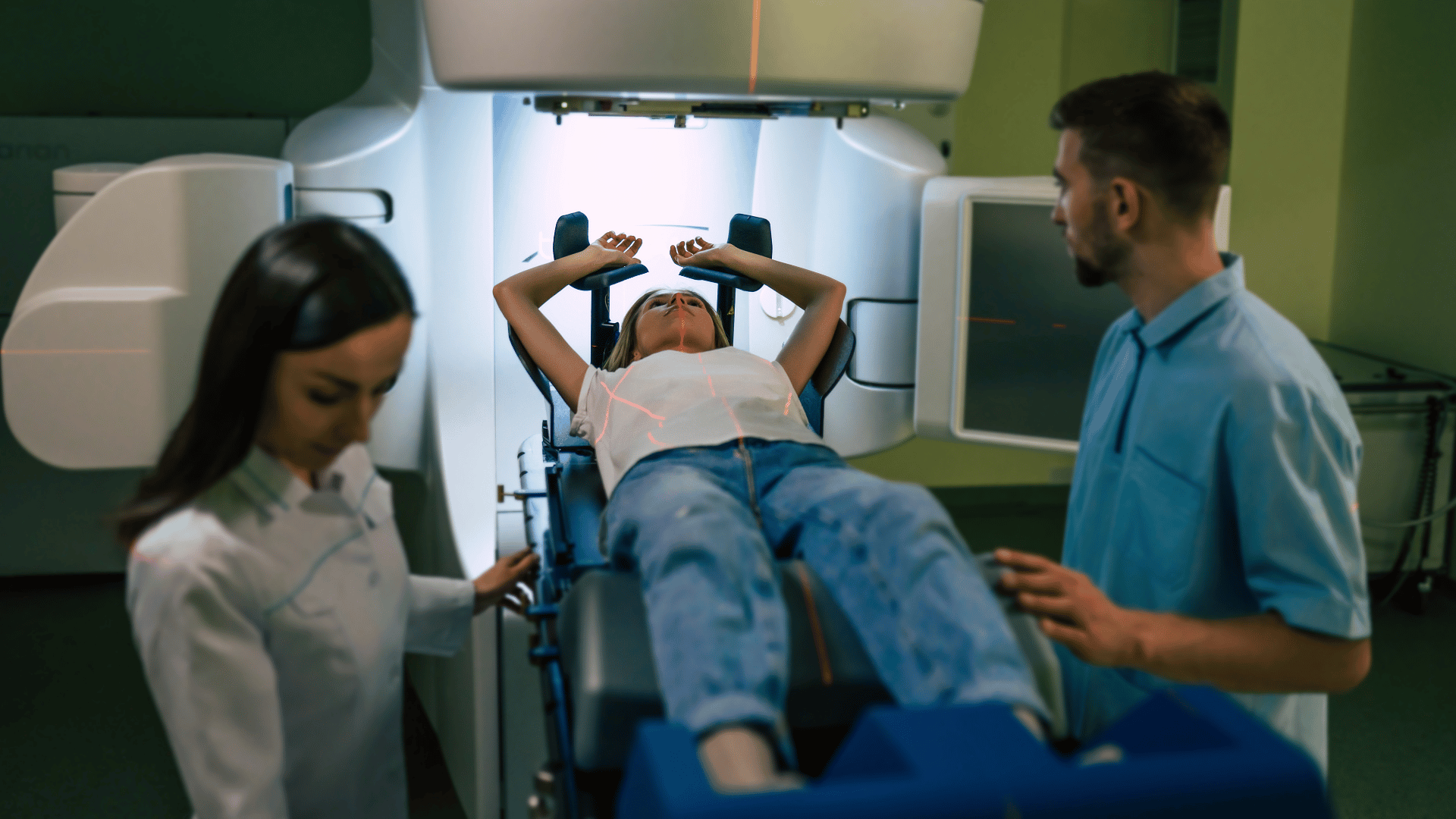
The Role of Specialized Transfer Solutions
1. Maintaining Geometry During Patient Transport
Transfer systems designed specifically for brachytherapy help preserve the spatial relationship between:
- Patient anatomy
- Applicators and catheters
- External reference points
Secure transfer platforms reduce the risk of applicator migration during movement between imaging, planning, and treatment areas.
2. Enhancing Patient Safety and Comfort
Specialized transfer solutions also prioritize:
- Stable patient support
- Reduced manual handling
- Improved ergonomics for clinical staff
By minimizing patient movement and discomfort, these systems indirectly improve geometric stability.
Precision Positioning for Applicator Stability
1. Rigid and Reproducible Positioning
Dedicated positioning systems provide:
- Firm support for applicators
- Controlled patient alignment
- Reproducible setup geometry
This stability is essential for maintaining the accuracy of the planned dose distribution.
2. Minimizing Applicator Displacement
Positioning accessories designed for brachytherapy help limit:
- Rotational movement
- Translational shifts
- Deformation of soft tissue interfaces
These controls are particularly important in gynecological, prostate, and interstitial treatments.
Imaging Compatibility and Workflow Integration
Modern brachytherapy relies heavily on imaging for applicator visualization and verification. Positioning and transfer systems must be:
- Compatible with CT and MRI
- Radiolucent to minimize artifacts
- Designed for seamless integration into the clinical workflow
Imaging clarity directly supports accurate contouring and treatment planning.
Safety Considerations in HDR Brachytherapy
In HDR treatments, safety is paramount. Specialized solutions contribute to safety by:
- Reducing the need for repositioning after imaging
- Limiting uncertainty during source delivery
- Supporting controlled and predictable treatment geometry
Stable positioning reduces the risk of unexpected dose delivery to non-target tissues.
Manufacturer Responsibility in Brachytherapy Solutions
From a manufacturer’s perspective, brachytherapy systems must be engineered with a deep understanding of procedural risk.
This includes:
- Mechanical stability testing
- Workflow-based design validation
- Compatibility with applicators and afterloaders
- Adherence to strict quality and safety standards
Precision and safety must be designed into every component.
Clinical Benefits Across Brachytherapy Applications
Specialized transfer and positioning solutions benefit a wide range of brachytherapy procedures, including:
- Gynecological brachytherapy
- Prostate brachytherapy
- Breast and skin brachytherapy
- Interstitial applications
In each case, stability and reproducibility directly support clinical confidence.
Conclusion
Precision in brachytherapy extends beyond planning and source control—it depends on secure transfer and stable positioning throughout the entire procedure. Specialized solutions designed for these unique demands help safeguard both treatment accuracy and patient safety.
As brachytherapy techniques continue to evolve, investment in purpose-built transfer and positioning systems is not optional. It is a fundamental requirement for delivering the precision that brachytherapy promises.