
 kevin clarke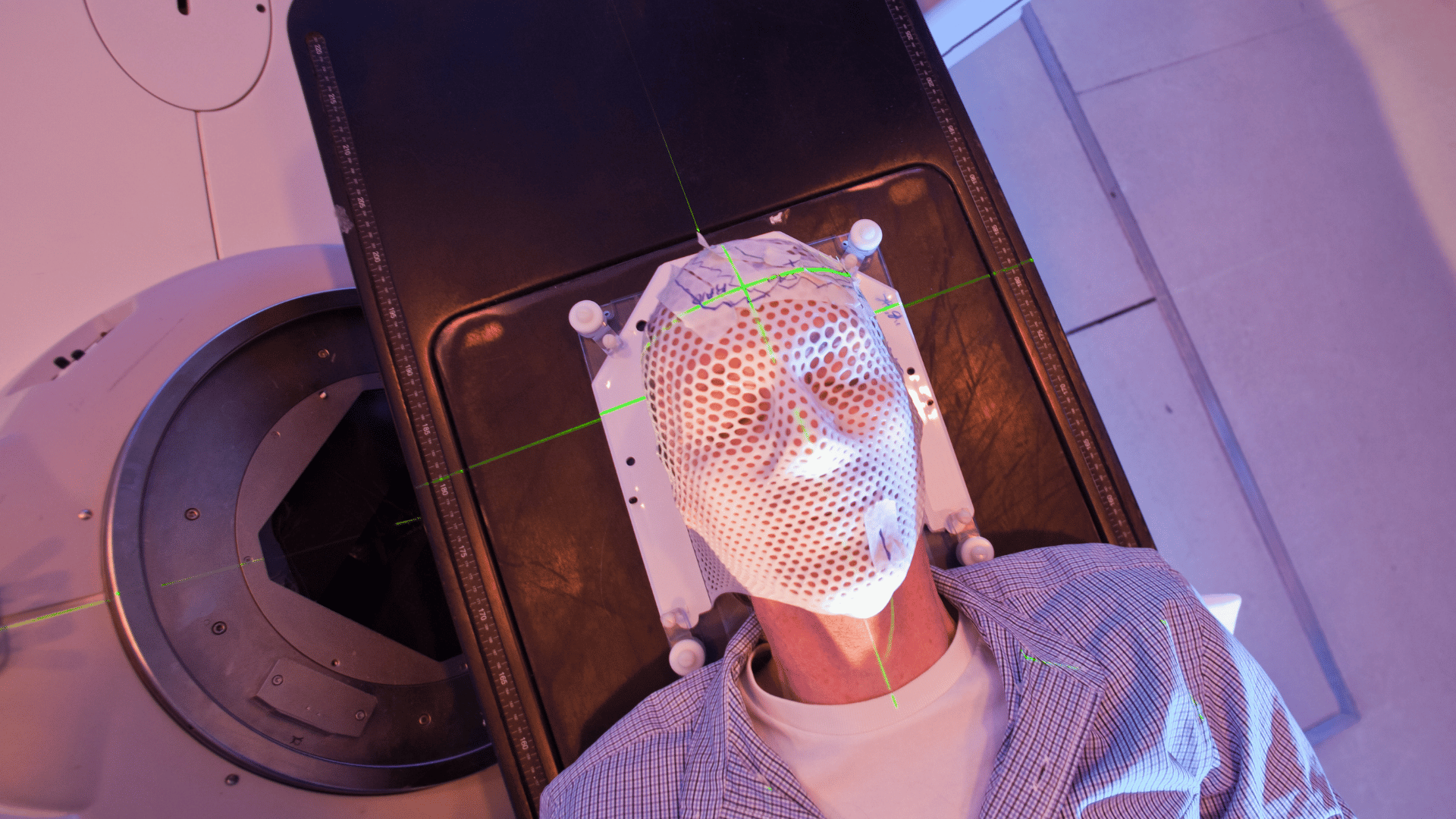
Introduction
Volumetric Modulated Arc Therapy (VMAT) and Intensity-Modulated Radiation Therapy (IMRT) have transformed modern radiotherapy by enabling highly conformal dose distributions and superior organ-at-risk (OAR) sparing. However, this increased complexity also places greater demands on workflow efficiency and dosimetric consistency.
In VMAT and IMRT, where beams are delivered from multiple angles and interact with numerous components along the beam path, treatment accessories play a critical role. This article explores how low-attenuation accessories help streamline VMAT and IMRT workflows by minimizing dosimetric impact without compromising mechanical stability or clinical reliability.
Complexity as a Workflow Challenge
Compared to conventional 3D conformal radiotherapy, VMAT and IMRT introduce:
- Large numbers of beam angles or continuous arcs
- Highly modulated fluence patterns
- Increased sensitivity to beam perturbations
- More demanding planning and QA requirements
Any uncontrolled variable—particularly in the beam path—can disrupt this delicate balance.
Accessories as Hidden Sources of Dosimetric Uncertainty
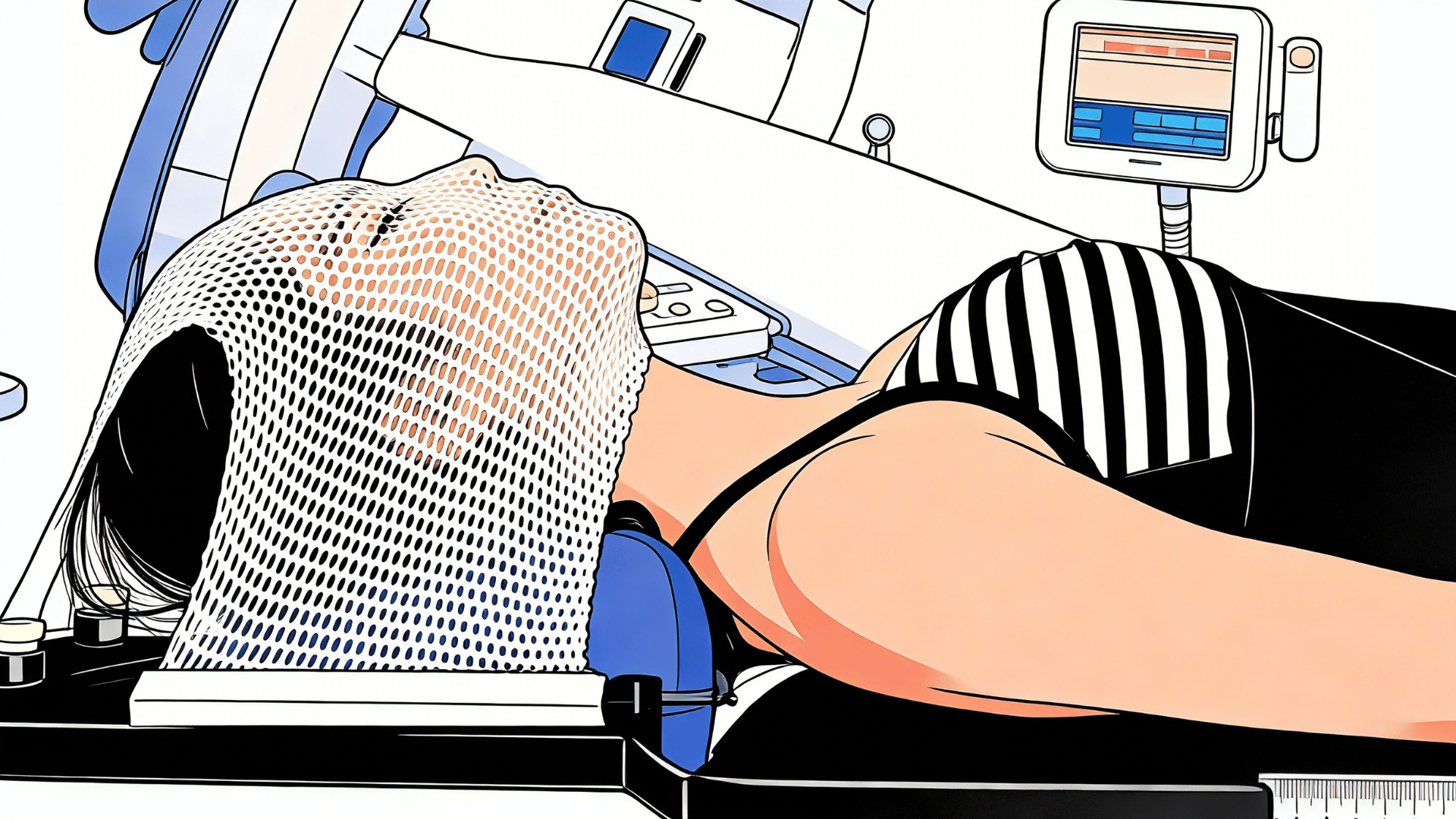
Immobilization devices, couchtops, positioning frames, and patient supports are often present during both planning and treatment. In VMAT and IMRT, these components may be intersected by the beam at many angles.
If not carefully designed, accessories can introduce:
- Unintended beam attenuation
- Angular-dependent dose variation
- Increased scatter and dose shadowing
- Mismatch between planned and delivered dose
These effects complicate planning and slow down clinical workflows.
The Advantage of Low-Attenuation Design
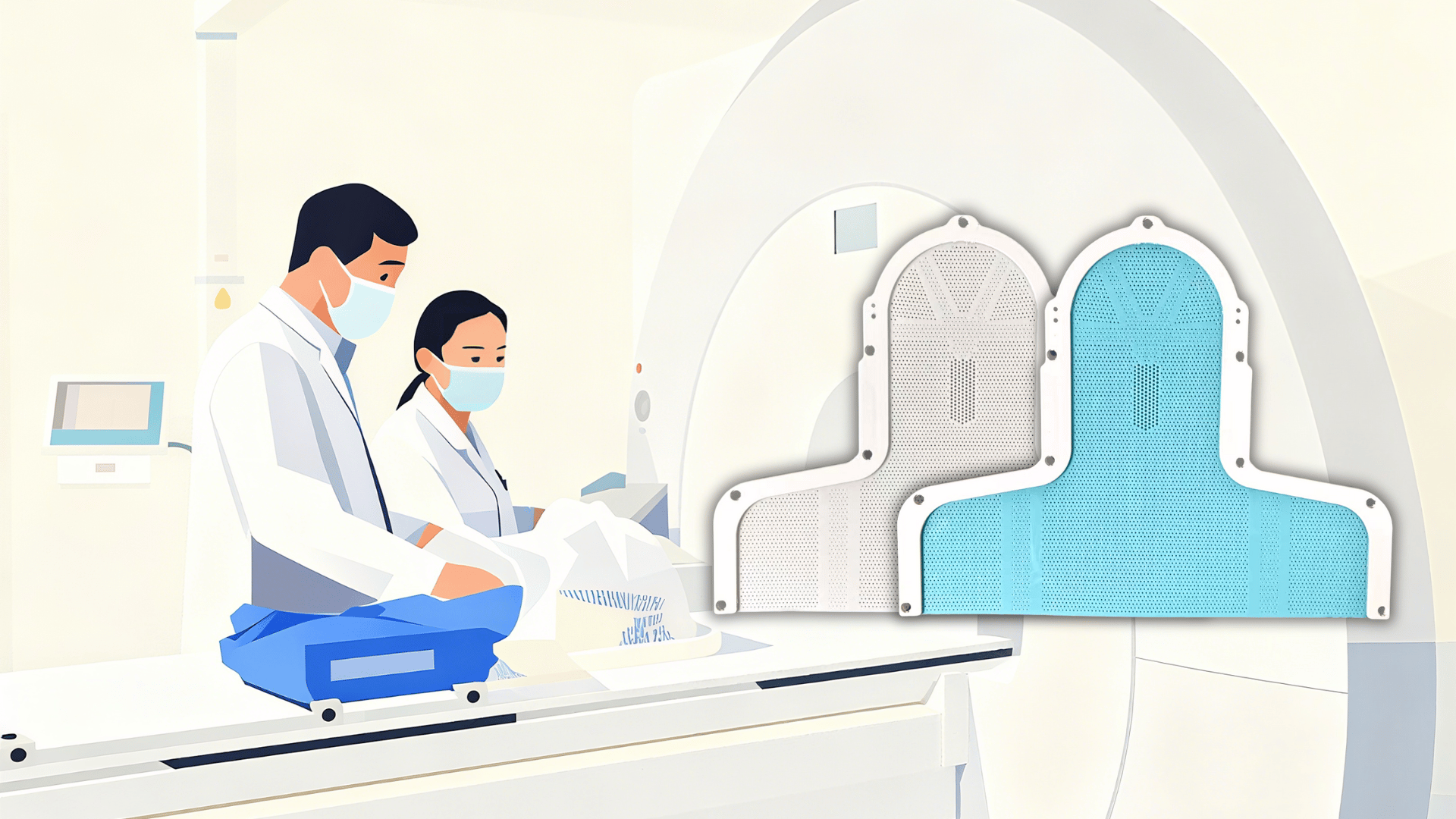
Low-attenuation accessories are engineered to reduce beam interaction while maintaining mechanical strength and positioning accuracy.
Key characteristics include:
- Radiolucent material composition
- Uniform density and thickness
- Minimal angular dependence
- Predictable dosimetric behavior
These properties directly support smoother VMAT and IMRT workflows.
Streamlining the Treatment Planning Process
1. Simplified Dose Modeling
When accessories introduce minimal attenuation, planners can rely on more robust and simplified TPS models. This reduces:
- The need for detailed accessory contouring
- Sensitivity to material assignment errors
- Plan iteration caused by unexpected dose perturbations
Planning becomes faster and more consistent across cases.
2. Reduced Plan Compensation
High-attenuation accessories often force planners to compensate with increased monitor units or altered beam weighting. Low-attenuation designs minimize the need for such adjustments, preserving plan efficiency and dose integrity.
Improving Delivery Consistency
During treatment delivery, low-attenuation accessories help ensure that:
- Planned fluence is accurately delivered
- Arc-based dose distributions remain stable
- Inter-fraction dose variation is minimized
This consistency is particularly valuable in hypofractionated VMAT treatments, where each fraction carries greater biological significance.
Benefits for Patient-Specific QA
From a physics QA perspective, low-attenuation accessories reduce variability in:
- Phantom measurements
- Gamma analysis results
- End-to-end testing
With fewer accessory-induced perturbations, QA outcomes become easier to interpret, faster to complete, and more reproducible.
Supporting Image Guidance and Adaptive Workflows
Low-attenuation materials also improve imaging performance by:
- Reducing artifacts in CBCT and kV imaging
- Improving image registration accuracy
- Enhancing confidence in adaptive decision-making
Clear imaging supports faster setup and fewer corrective interventions.
Workflow Efficiency Without Compromising Precision
A common misconception is that improving workflow efficiency requires sacrificing precision. In reality, low-attenuation accessories enhance both by removing unnecessary complexity from the system.
By minimizing dosimetric impact, these accessories allow clinical teams to focus on:
- Target delineation
- Plan optimization
- Patient care
Rather than compensating for avoidable uncertainties.
Manufacturer Perspective: Designing for Clinical Workflows
From a manufacturer’s standpoint, low-attenuation design reflects an understanding of real-world clinical workflows.
This requires:
- Comprehensive attenuation testing
- Angular dependence analysis
- Consistent manufacturing tolerances
- Clear documentation for clinical users
Accessories must be engineered not only for strength and positioning, but also for workflow integration.
Conclusion
In VMAT and IMRT, complexity is unavoidable—but inefficiency is not. Low-attenuation accessories help streamline the entire radiotherapy workflow by minimizing dosimetric impact while preserving mechanical and geometric integrity.
By reducing unnecessary uncertainty, these systems support faster planning, more reliable delivery, and more efficient QA—without compromising the precision that VMAT and IMRT demand.
In modern radiotherapy, smart accessory design is a key enabler of both accuracy and efficiency.