 kevin clarke
Introduction
Pediatric radiotherapy presents a unique clinical challenge: achieving the same level of geometric precision required in adult treatments while caring for patients who are more vulnerable to anxiety, discomfort, and fear. For children, the treatment experience itself can be as impactful as the therapy.
In this setting, precision must be delivered with empathy. “Gentle precision” captures this dual responsibility—maintaining rigid, reproducible immobilization while minimizing psychological and physical stress. This article explores how modern immobilization strategies, materials, and workflows are designed to balance setup rigidity with patient comfort in pediatric radiotherapy.
Why Immobilization Is Critical in Pediatric Treatments
Children are particularly sensitive to motion during radiotherapy due to:
- Smaller anatomical structures
- Tighter treatment margins in many pediatric protocols
- Longer expected survival, increasing the importance of normal tissue protection
- Limited ability to remain still for extended periods
Even small setup errors can have disproportionate clinical consequences, making effective immobilization essential.
The Emotional Dimension of Precision
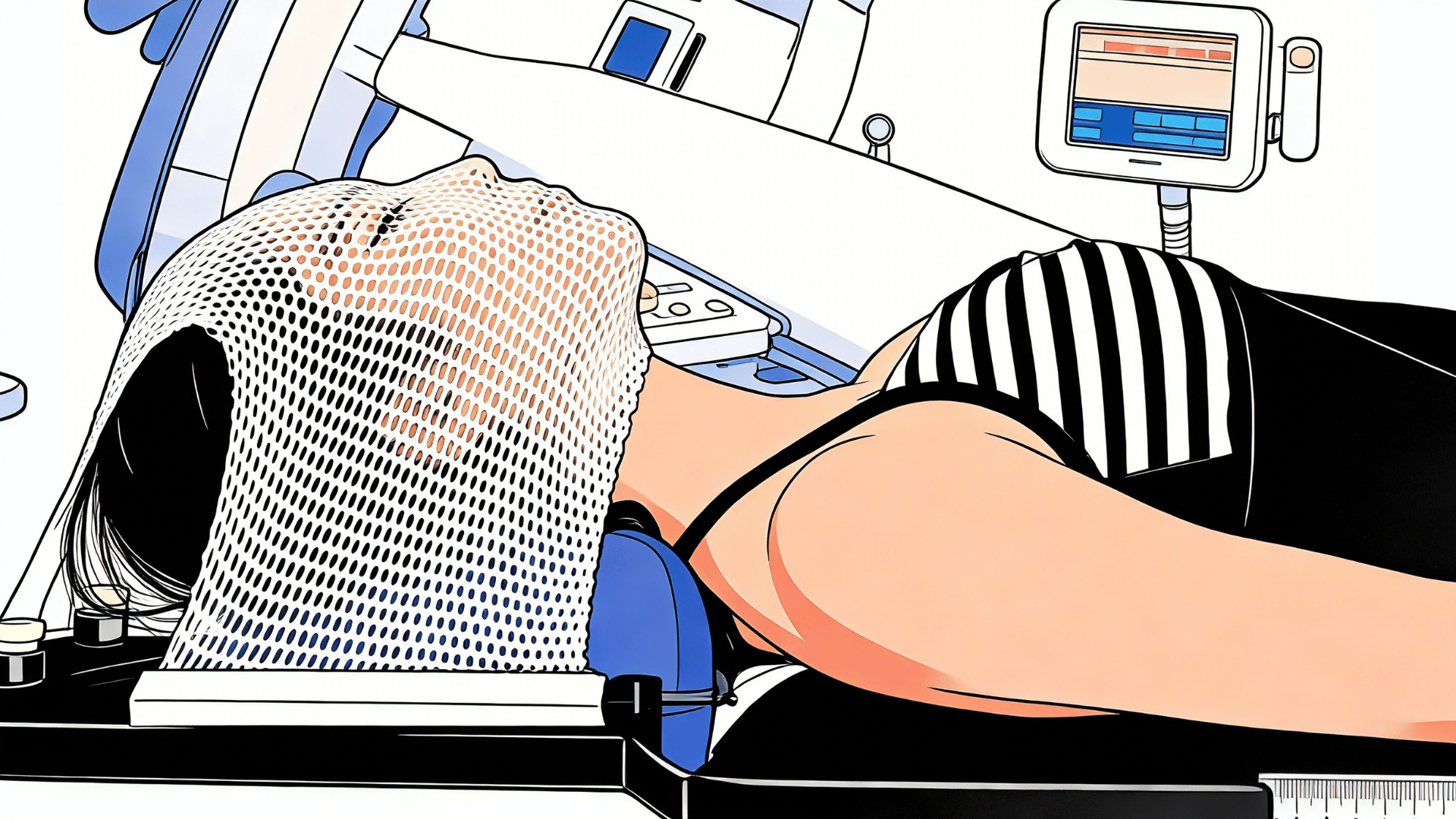
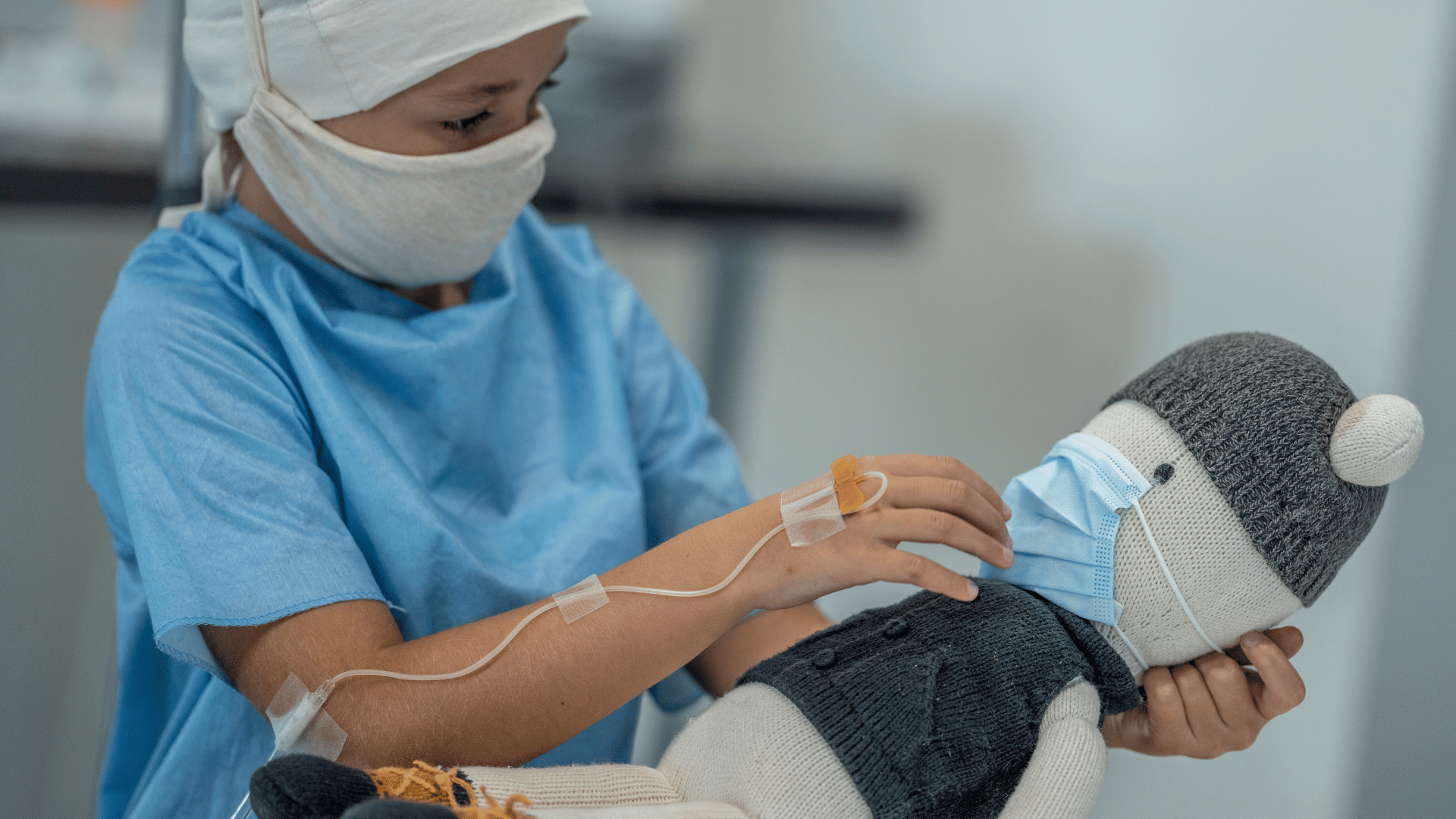
Unlike adult patients, pediatric patients may struggle to understand the purpose of immobilization devices. Masks, frames, or restraints can be perceived as threatening, leading to anxiety, resistance, or involuntary movement.
Key emotional challenges include:
- Fear of unfamiliar equipment
- Sensory discomfort from pressure or heat
- Loss of control during setup
Addressing these concerns is not secondary to precision—it is fundamental to achieving it.
Designing Comfort Without Compromising Rigidity
1. Softer, Anatomically Supportive Cushioning
Modern pediatric positioning systems incorporate high-comfort, pressure-distributing cushions that conform to a child’s body while maintaining stability.
Benefits include:
- Reduced pressure points
- Improved relaxation and muscle release
- Lower likelihood of spontaneous movement
Comfortable patients are naturally more still, improving setup reproducibility.
2. Rapid and Child-Friendly Immobilization Molding
Thermoplastic mask molding, when prolonged or uncomfortable, can significantly increase anxiety in children. Advances in materials and workflow now allow for:
- Faster softening and molding times
- Lower molding temperatures
- Simplified mask designs with sufficient rigidity
Shorter, smoother molding processes reduce distress while preserving immobilization accuracy.
3. Minimizing Setup Time and Complexity
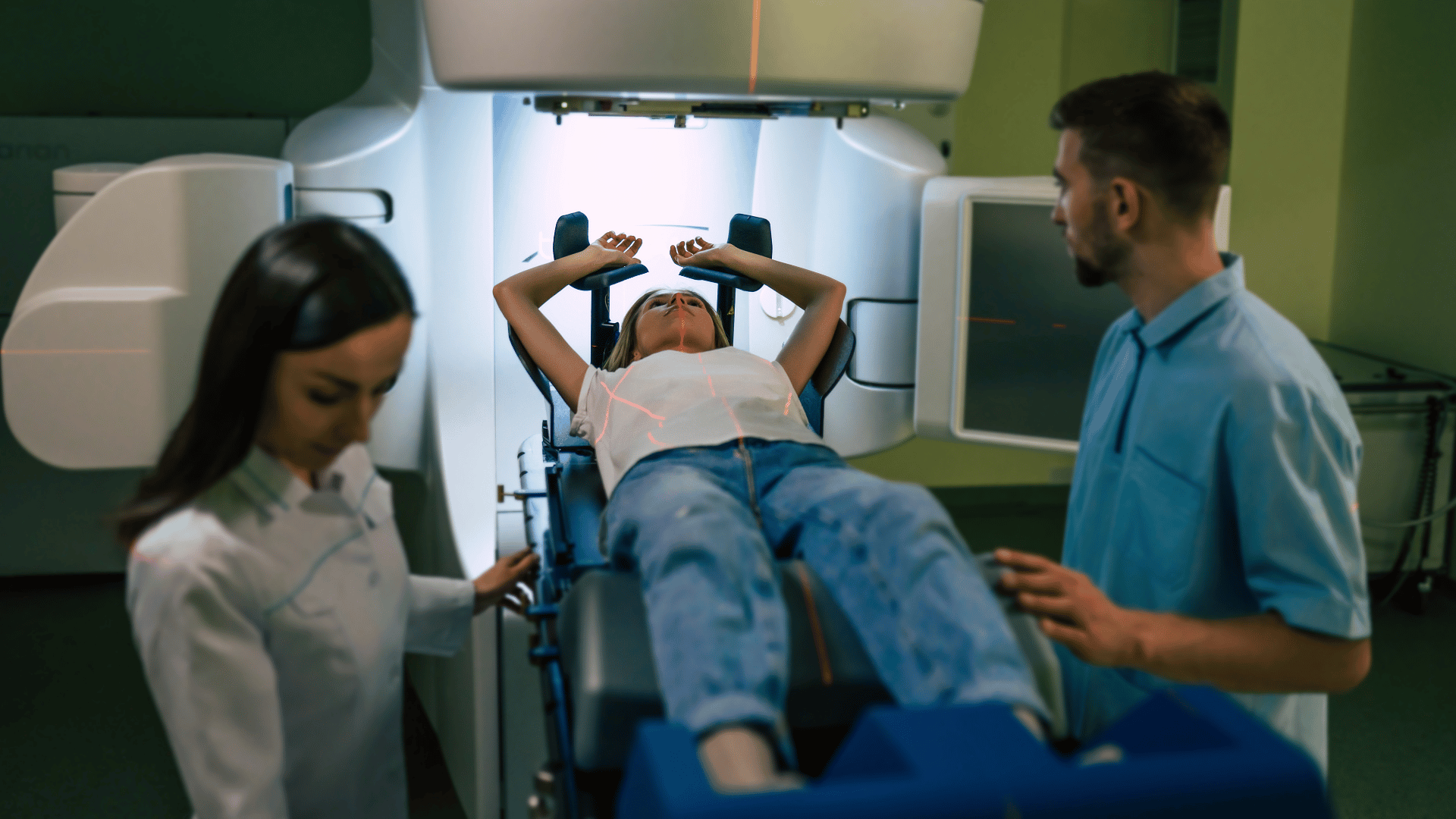
Lengthy setups can exhaust a child’s attention span and increase restlessness. Streamlined immobilization systems are designed to:
- Reduce the number of components
- Enable intuitive, reproducible positioning
- Shorten overall treatment room time
Efficiency supports both patient comfort and clinical throughput.
Reducing Anxiety Through Predictability and Familiarity
Consistency plays a crucial role in pediatric care. Using the same immobilization setup across simulation and treatment sessions helps children become familiar with the process.
Additional strategies include:
- Allowing children to see and touch equipment beforehand
- Using child-friendly colors or designs
- Involving caregivers during setup when appropriate
These measures foster trust and cooperation, directly supporting precision.
The Clinical Impact of Gentle Precision
Balancing comfort and rigidity delivers measurable clinical benefits:
- Improved setup reproducibility
- Reduced need for sedation or anesthesia
- Lower risk of intra-fraction motion
- More accurate dose delivery to targets and organs at risk
For pediatric patients, avoiding anesthesia when possible also reduces medical risk and resource burden.
Multidisciplinary Collaboration in Pediatric Immobilization
Achieving gentle precision requires collaboration between:
- Radiation oncologists
- Radiation therapists
- Medical physicists
- Pediatric nurses and child life specialists
Together, these teams tailor immobilization solutions to each child’s physical and emotional needs.
Conclusion
In pediatric radiotherapy, precision must be delivered with compassion. Gentle precision is not a compromise—it is a refined approach that recognizes comfort as a prerequisite for accuracy.
By combining rigid, reproducible immobilization with thoughtful design, faster workflows, and child-centered care, modern pediatric radiotherapy achieves what matters most: effective treatment delivered in a way that respects the vulnerability and resilience of young patients.