
 kevin clarke
Introduction
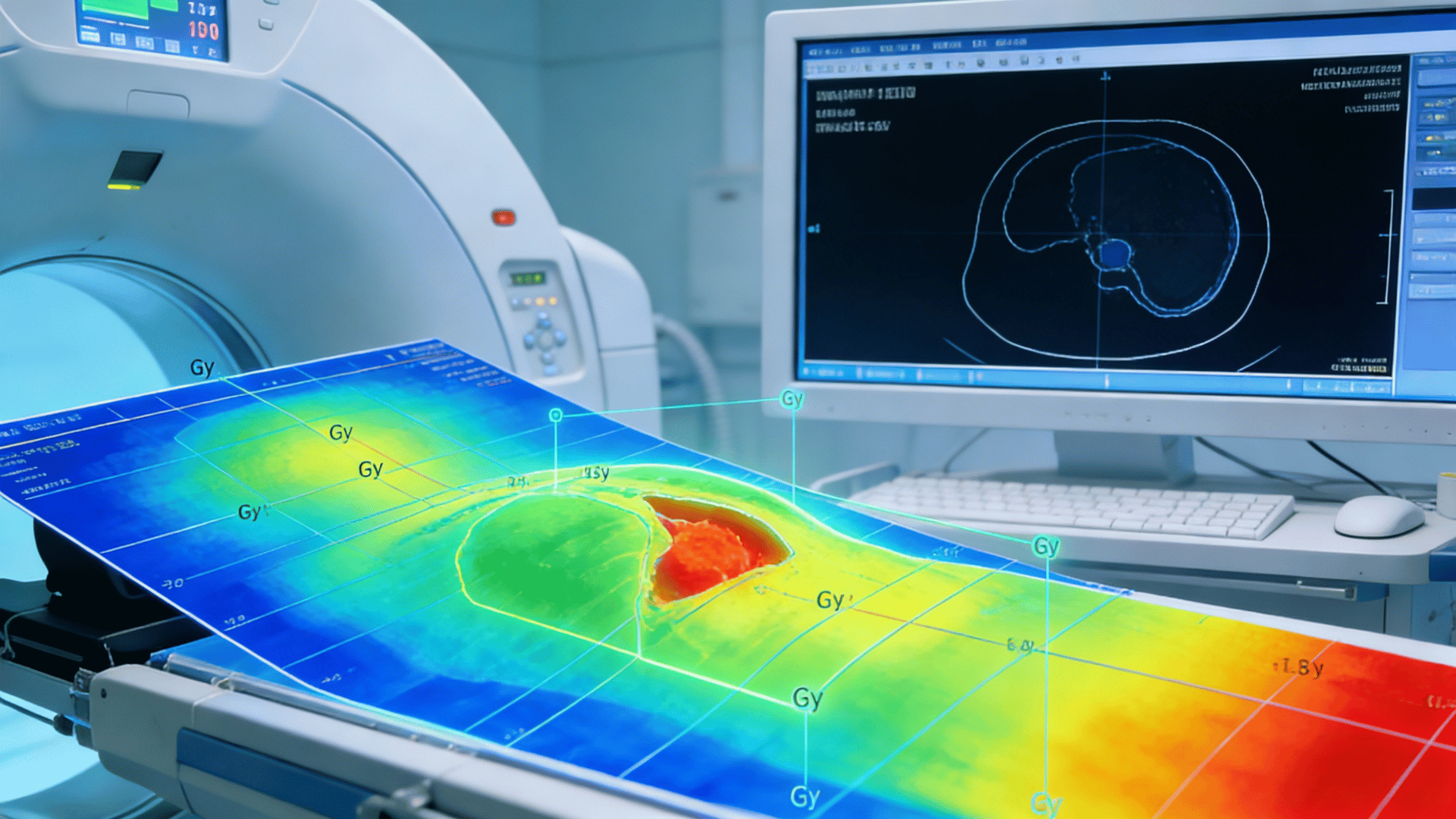
Left-sided breast radiotherapy presents a unique and well-recognized clinical challenge: how to achieve optimal target coverage while minimizing radiation dose to the heart and ipsilateral lung. Despite advances in treatment planning and delivery techniques, cardiac exposure remains a critical concern due to its association with long-term cardiovascular morbidity and mortality.
Among the various strategies developed to address this issue, patient positioning and immobilization solutions with adjustable geometry have emerged as highly effective, reproducible, and workflow-friendly tools. This article explores how innovative positioning systems—particularly those allowing angular adjustment—play a central role in reducing heart and lung dose in left-sided breast radiotherapy.
Why Cardiac and Lung Sparing Matters in Left-Sided Breast Treatment
Multiple clinical studies have demonstrated a clear relationship between mean heart dose and the risk of late cardiac events. Even small reductions in cardiac dose can translate into meaningful long-term benefits for patients with otherwise excellent cancer prognosis.
Key anatomical and technical challenges include:
Proximity of the heart to the left breast and chest wall
Inter-patient anatomical variability
Respiratory motion affecting heart position
Trade-offs between target coverage and organ sparing
As a result, heart and lung protection has become a primary planning objective for radiation oncologists treating left-sided breast cancer.
The Role of Positioning in Dose Reduction
While advanced planning techniques such as IMRT, VMAT, and deep inspiration breath hold (DIBH) are powerful tools, their effectiveness is strongly influenced by patient positioning.
Optimized positioning can:
Increase separation between the heart and the target volume
Reduce lung volume within high-dose regions
Improve beam access and planning flexibility
Enhance reproducibility across treatment fractions
Positioning is therefore not merely a setup step—it is a dose-modifying intervention.
Innovative Positioning Solutions and Angular Adjustment
- Adjustable Breast Boards and Inclination Systems
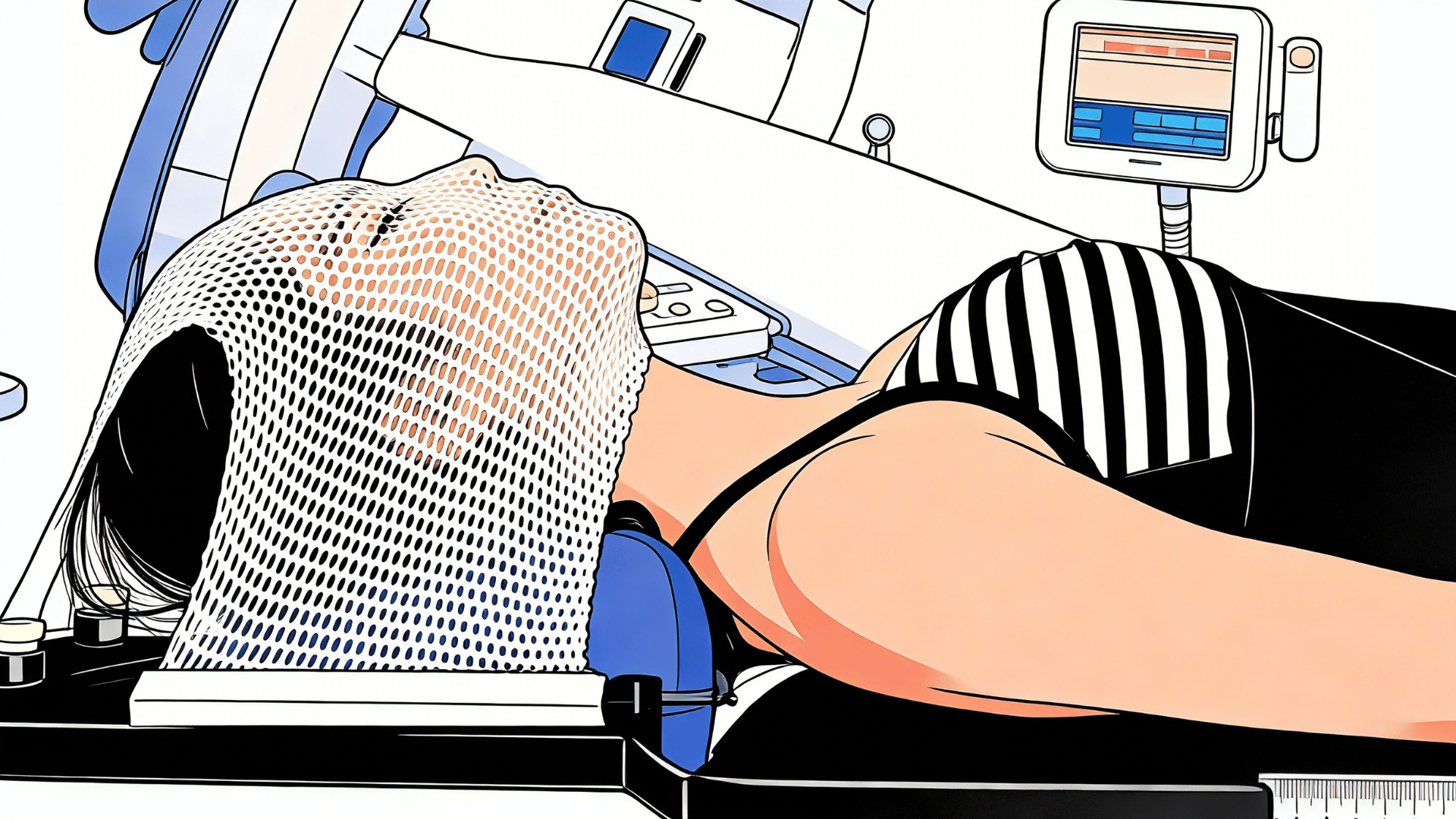
Modern breast positioning systems allow for precise adjustment of upper body inclination, often ranging from flat supine to elevated angles.
Clinical advantages include:
Reduced cardiac overlap with tangential beam paths
Improved gravitational displacement of the heart away from the chest wall
Enhanced patient comfort and stability
For certain patients, even modest angular changes can significantly lower heart and lung dose without compromising target coverage.
- Individualized Arm and Shoulder Positioning
Arm position has a direct impact on chest wall geometry and beam clearance. Advanced immobilization systems offer indexed, reproducible arm supports that maintain consistent shoulder elevation and rotation.
Benefits include:
Improved access for optimal beam angles
Reduced shoulder and clavicle interference
Greater day-to-day setup reproducibility
This is particularly important when combining angular positioning with complex beam arrangements.
- Prone and Semi-Prone Positioning Options
For selected patients—especially those with larger or pendulous breasts—prone or semi-prone positioning can substantially reduce heart and lung exposure.
Innovative positioning platforms:
Allow controlled breast separation from the thoracic wall
Minimize lung inclusion in the treatment field
Maintain stability while accommodating angular adjustments
Although not suitable for every patient, these options expand the clinician’s ability to individualize treatment.
Positioning Systems and Deep Inspiration Breath Hold (DIBH)
DIBH is one of the most effective methods for cardiac sparing in left-sided breast radiotherapy. However, its success depends heavily on reproducible positioning.
Adjustable positioning systems:
Improve patient comfort during breath holds
Reduce baseline setup variability
Enhance consistency between planning CT and treatment delivery
By stabilizing the patient’s body and upper torso, immobilization systems amplify the benefits of respiratory-based techniques.
Clinical Impact of Angular Optimization
From a clinical perspective, positioning systems that allow angular adjustment contribute to:
Lower mean heart dose
Reduced heart V5–V25 exposure
Decreased ipsilateral lung dose
Greater confidence in meeting institutional and guideline-based dose constraints
Importantly, these benefits are achieved without increasing planning complexity or treatment time.
Physician Perspective: Precision Through Positioning
For radiation oncologists, positioning solutions represent a practical and reliable means of improving treatment quality. Unlike plan optimization alone, positioning changes physically alter anatomical relationships, often yielding immediate and robust dose reductions.
As treatment paradigms evolve toward hypofractionation and long-term survivorship, the value of consistent cardiac and pulmonary sparing cannot be overstated.
Conclusion
Reducing heart and lung exposure in left-sided breast radiotherapy requires a multifaceted approach, and innovative positioning solutions play a central role in this effort. By enabling precise angular adjustments and reproducible patient setup, modern immobilization systems offer clinicians a powerful, non-invasive method to enhance organ protection.
Incorporating these positioning strategies into routine practice supports the overarching clinical goal of breast radiotherapy: delivering effective cancer treatment while safeguarding long-term patient health.