
 kevin clarke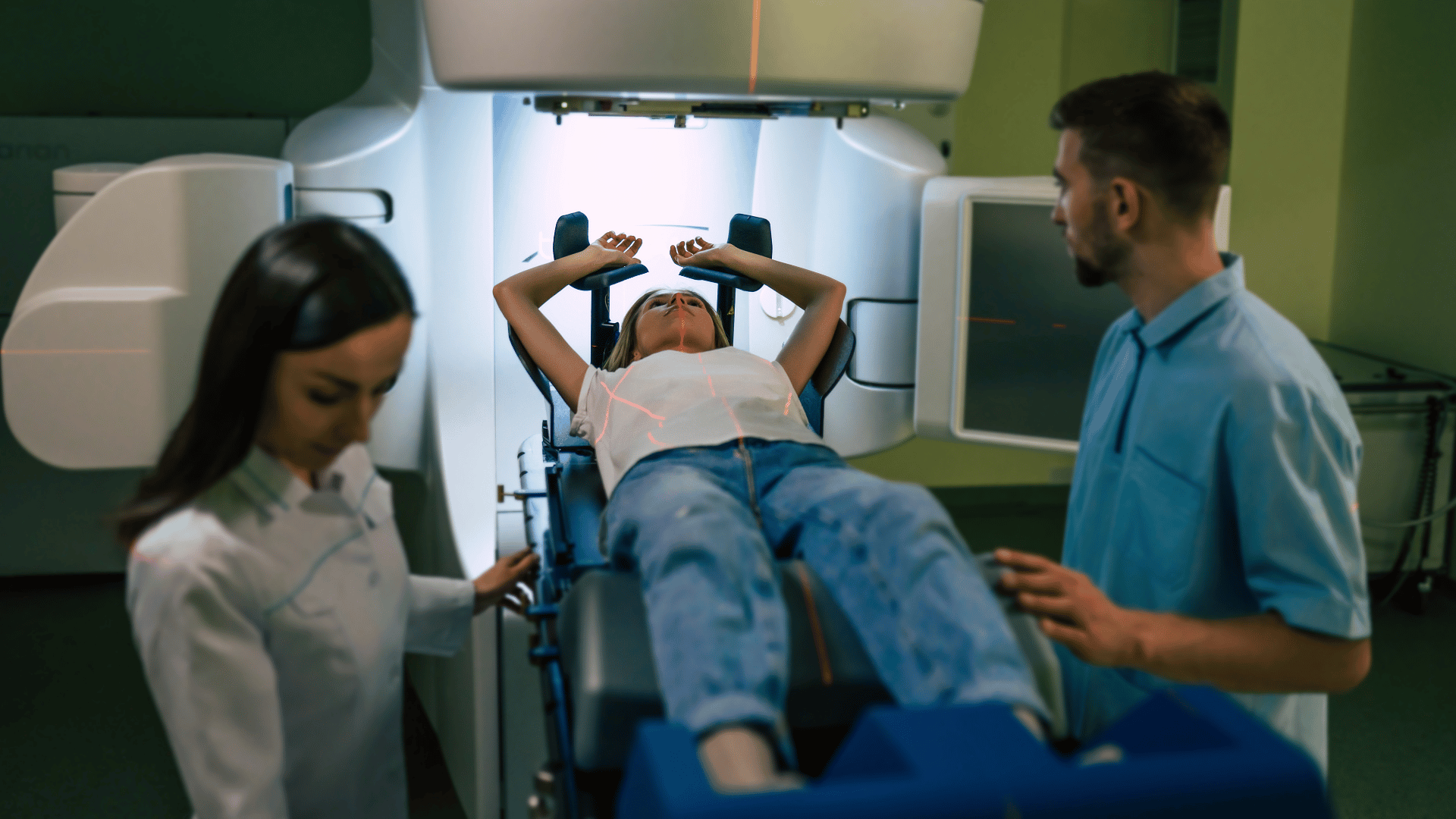
Introduction
Breast cancer radiotherapy has evolved significantly over the past decades, with growing emphasis on organ-at-risk (OAR) sparing, treatment reproducibility, and patient comfort. Among the most fundamental decisions in treatment setup is the choice of patient positioning—specifically, whether to treat patients in the supine or prone position.
This choice is far from trivial. Each positioning approach introduces distinct anatomical, dosimetric, and workflow considerations, and the effectiveness of either approach depends heavily on the auxiliary immobilization system used. This article compares supine and prone breast positioning from a clinical and technical perspective, offering guidance on selecting the right solution for individual patients and institutional practice.
Supine Positioning: The Clinical Standard
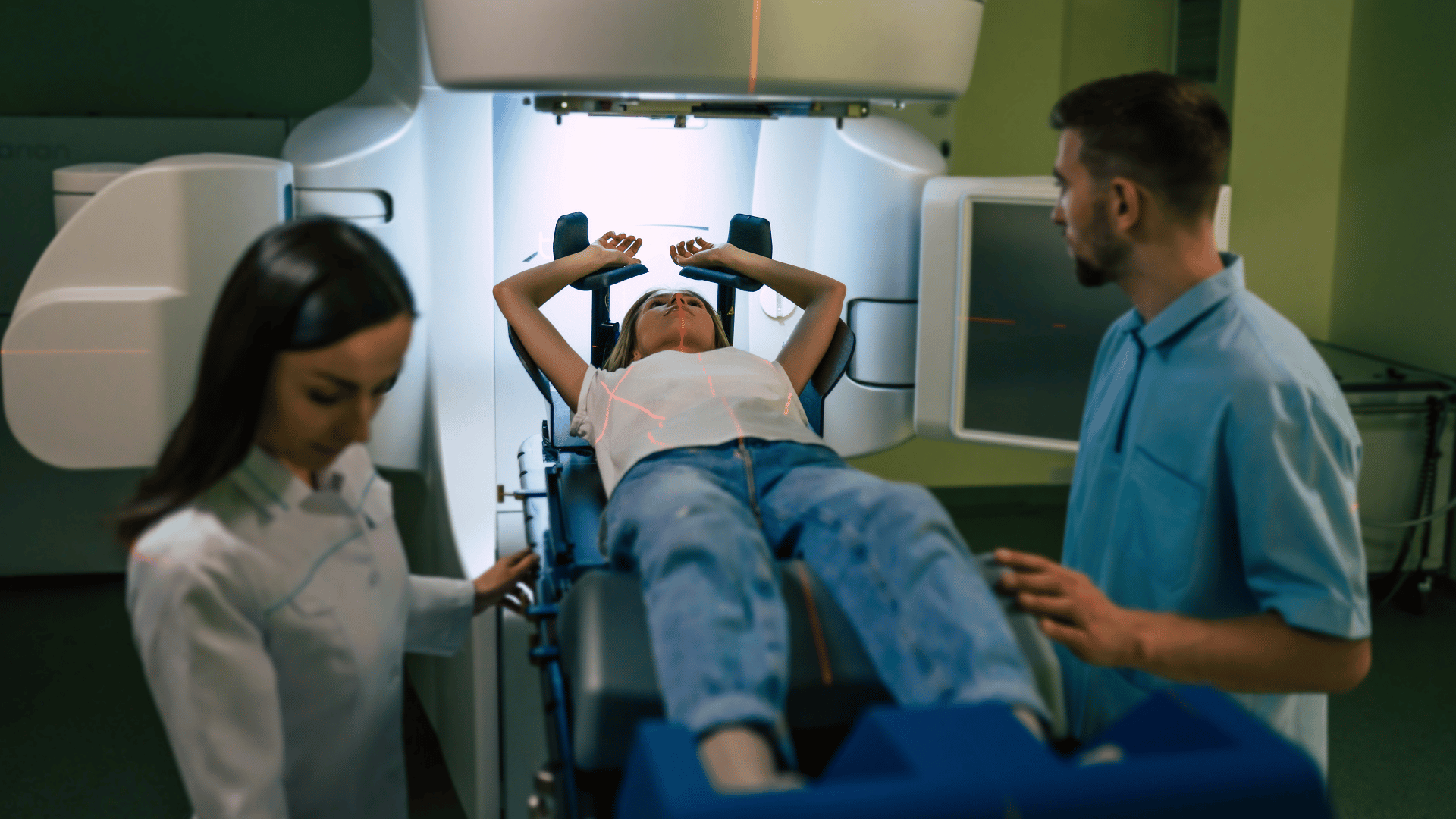
Supine positioning remains the most widely adopted setup for breast radiotherapy worldwide. Patients lie on their back with one or both arms elevated, supported by a breast board or positioning system.
Clinical Advantages
- Familiar workflow for physicians, therapists, and planners
- Excellent compatibility with nodal irradiation (axillary, supraclavicular, internal mammary nodes)
- Straightforward integration with IMRT, VMAT, and DIBH techniques
- Easier daily setup verification and image guidance
Supine positioning provides predictable anatomy and consistent reference points, making it well suited for complex and comprehensive treatment volumes.
Role of Supine Auxiliary Systems
Advanced supine breast positioning systems offer:
- Adjustable torso inclination angles
- Indexed arm and shoulder supports
- Stable chest wall positioning
- Reproducibility across fractions
These features allow clinicians to fine-tune treatment geometry, particularly for heart and lung sparing in left-sided breast cancer.
Prone Positioning: A Targeted Alternative
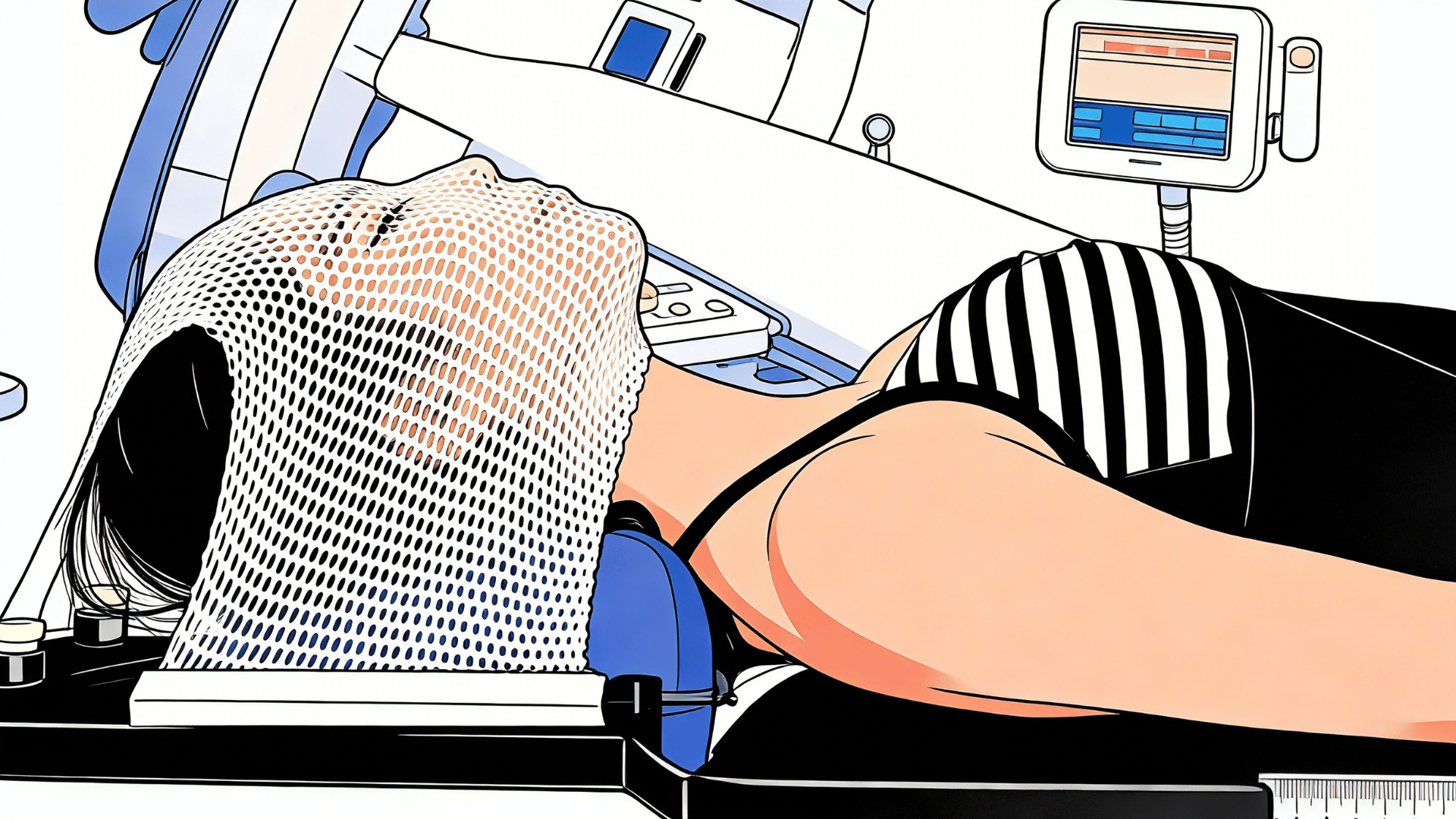
Prone positioning involves treating the patient face-down, allowing the breast to fall away from the chest wall through an opening in a dedicated positioning platform.
Clinical Advantages
- Significant reduction in heart and lung dose for selected patients
- Decreased skin folds and dose inhomogeneity
- Particularly beneficial for patients with larger or pendulous breasts
By physically separating the breast from the thorax, prone positioning offers a geometric solution to organ sparing.
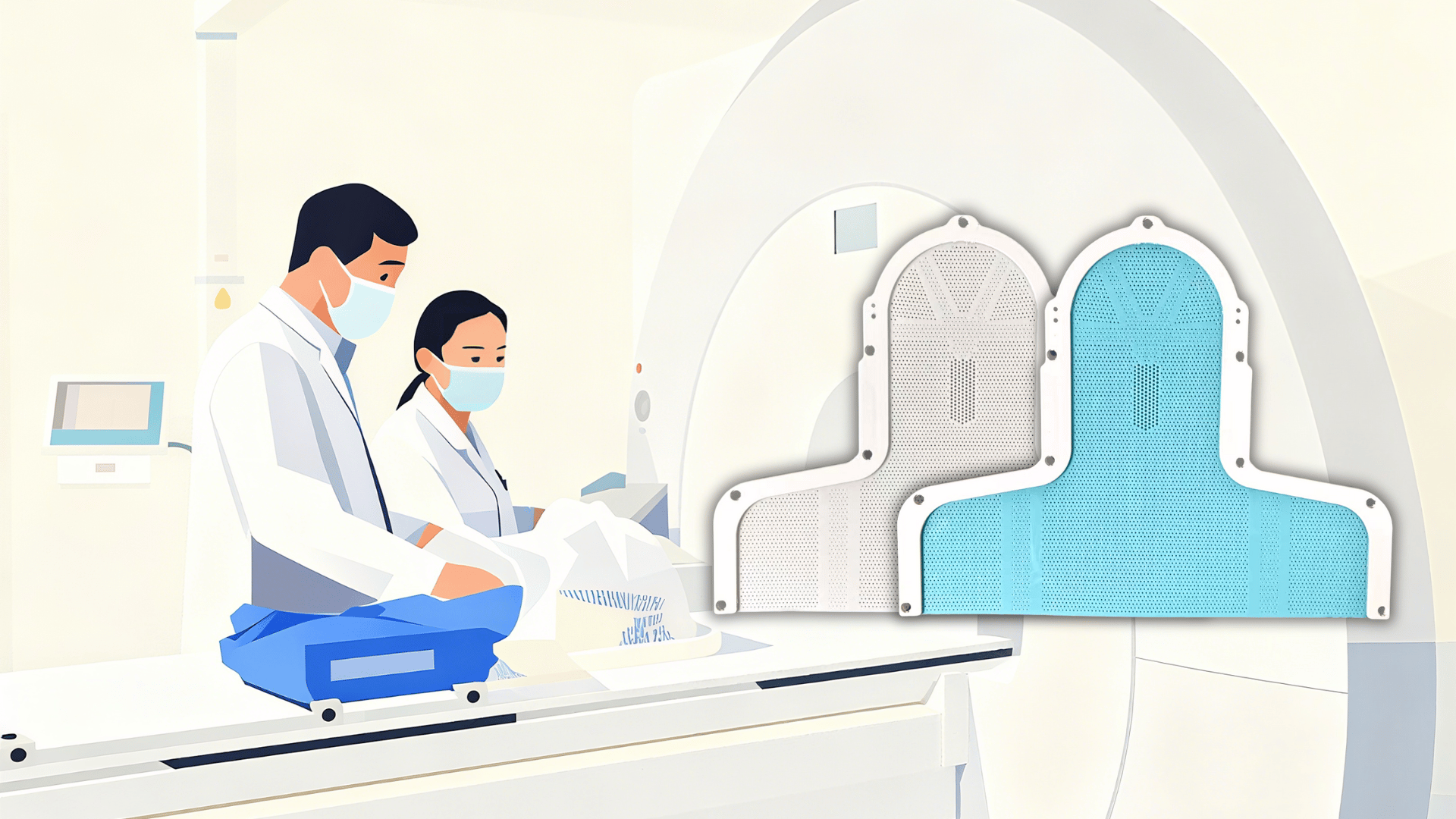
Role of Prone Auxiliary Systems
Prone breast systems must provide:
- Stable and comfortable body support
- Accurate breast positioning and reproducibility
- Secure head, arm, and pelvic stabilization
- Reliable indexing for daily setup
High-quality prone systems are essential to overcome challenges related to patient comfort, setup time, and image guidance.
Dosimetric Considerations: One Size Does Not Fit All
Numerous studies have shown that neither supine nor prone positioning is universally superior. Dosimetric outcomes depend on:
- Breast size and shape
- Tumor location
- Proximity of heart and lung
- Need for nodal irradiation
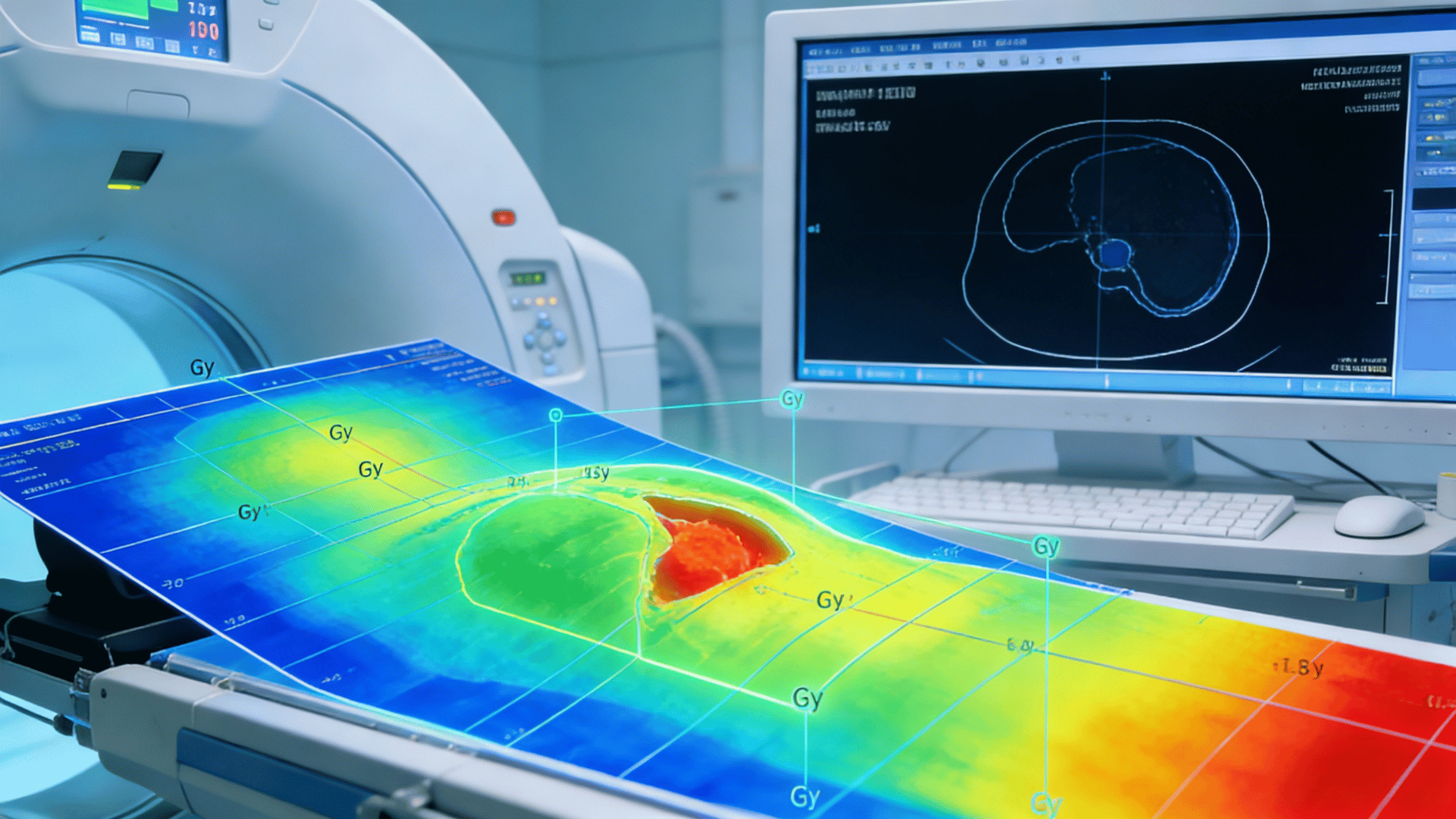
Supine positioning often excels in complex target coverage, while prone positioning may offer superior OAR sparing in carefully selected cases. The auxiliary system enables—or limits—the clinical benefit of each approach.
Workflow and Operational Factors
From an institutional perspective, positioning choice affects more than dose distribution.
Supine Workflow Considerations
- Faster setup times
- Easier staff training
- Greater flexibility for adaptive and breath-hold techniques
Prone Workflow Considerations
- Longer setup and imaging time
- More demanding patient selection
- Higher dependency on specialized equipment
Clinics must balance clinical benefit with operational efficiency.
Manufacturer Perspective: Supporting Clinical Choice, Not Dictating It
From a manufacturer’s standpoint, the goal is not to promote one positioning strategy over another, but to support informed clinical decision-making.
A comprehensive breast positioning portfolio should:
- Offer both supine and prone solutions
- Enable precise, reproducible geometry
- Adapt to different patient anatomies
- Integrate seamlessly into modern radiotherapy workflows
True clinical value lies in flexibility, not limitation.
Choosing the Right System for Your Clinic
When selecting auxiliary positioning systems, clinics should consider:
- Patient population characteristics
- Treatment techniques routinely used
- Staffing experience and workflow priorities
- Long-term adaptability to evolving protocols
The right system is one that empowers clinicians to choose the optimal positioning for each patient—confidently and consistently.
Conclusion
Supine and prone positioning are not competing philosophies but complementary tools in modern breast cancer radiotherapy. Each offers distinct clinical advantages, and each relies on well-designed auxiliary systems to realize its full potential.
By understanding the strengths and limitations of both approaches—and by selecting positioning solutions that align with clinical goals—radiotherapy teams can deliver personalized, high-quality breast cancer treatment with confidence.