 kevin clarke
The Science of Thermoplastic Mask Fit
Introduction
Head and neck radiotherapy presents one of the greatest challenges in modern radiation oncology. The complex anatomy, proximity of critical organs at risk (OARs), and steep dose gradients demand an exceptionally high level of geometric accuracy. Among all technical and clinical factors, setup reproducibility stands out as a cornerstone of successful treatment delivery.
At the heart of setup reproducibility lies a deceptively simple yet highly sophisticated device: the thermoplastic immobilization mask. This article explores why reproducibility is so critical in head and neck radiotherapy and how the science behind thermoplastic mask fitting directly influences treatment precision, patient safety, and clinical outcomes.
Why Setup Reproducibility Matters in Head & Neck Radiotherapy
Setup reproducibility refers to the ability to position a patient in exactly the same anatomical configuration for every treatment fraction. In head and neck radiotherapy, even sub-millimeter deviations can have meaningful consequences.
Key reasons reproducibility is critical include:
• Tight Planning Target Volume (PTV) margins enabled by IMRT and VMAT
• High density of OARs, such as the spinal cord, brainstem, parotid glands, and optic structures
• Steep dose gradients, where small shifts may lead to underdosing the target or overdosing critical tissues
Without reliable reproducibility, advanced planning techniques lose their clinical advantage, and safety margins must be expanded—compromising both tumor control and toxicity profiles.
The Role of Thermoplastic Masks in Immobilization
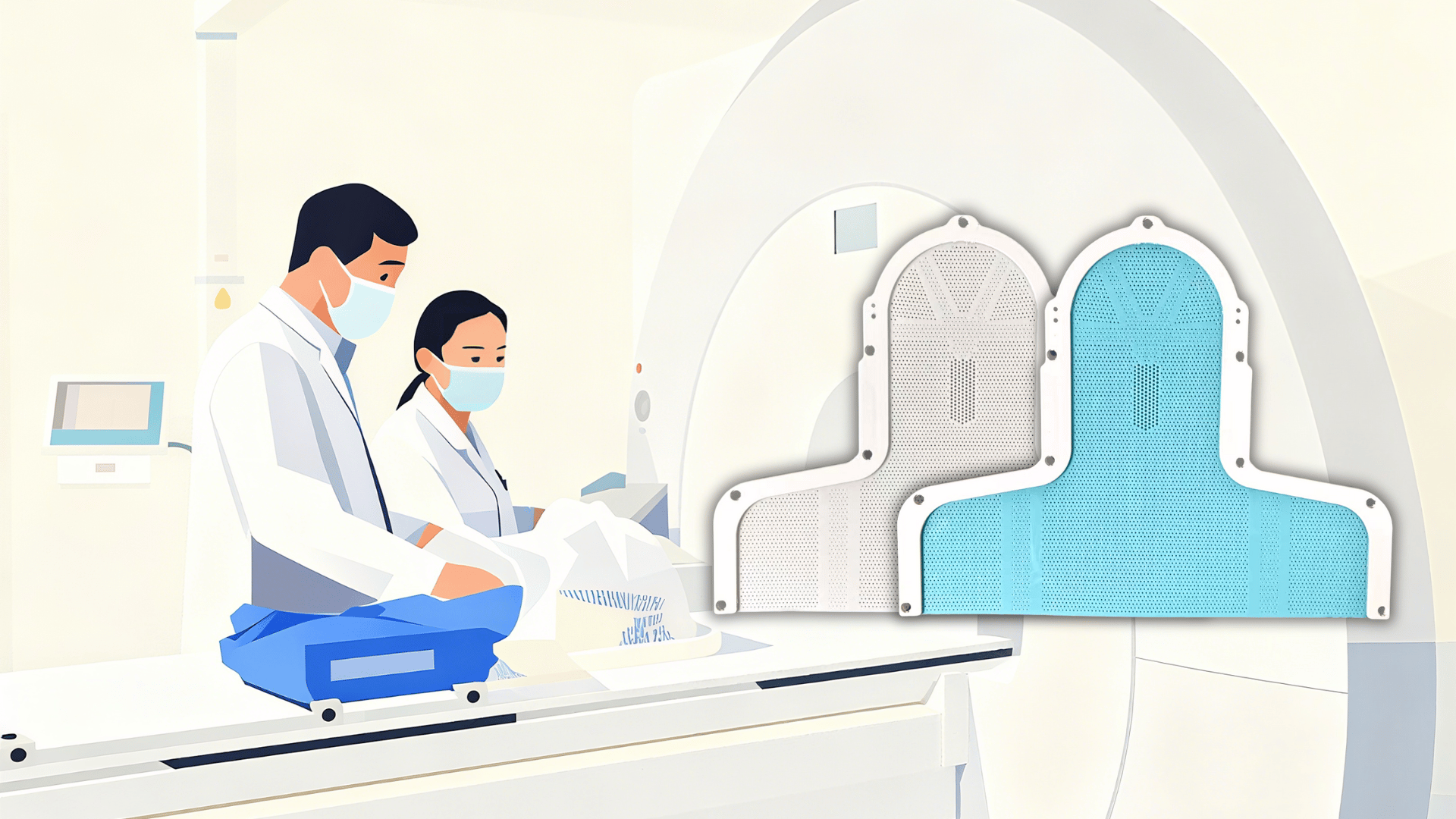
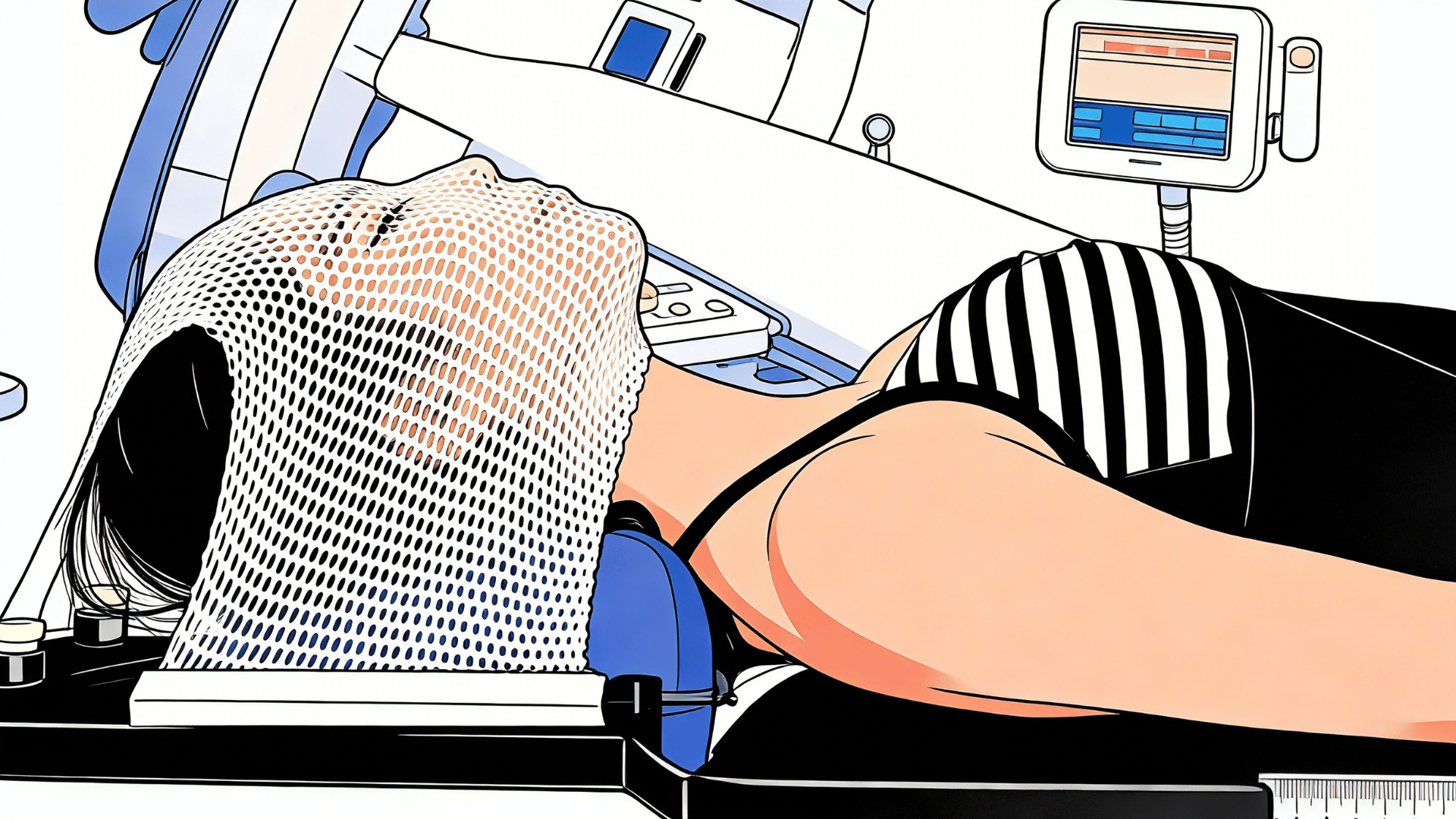
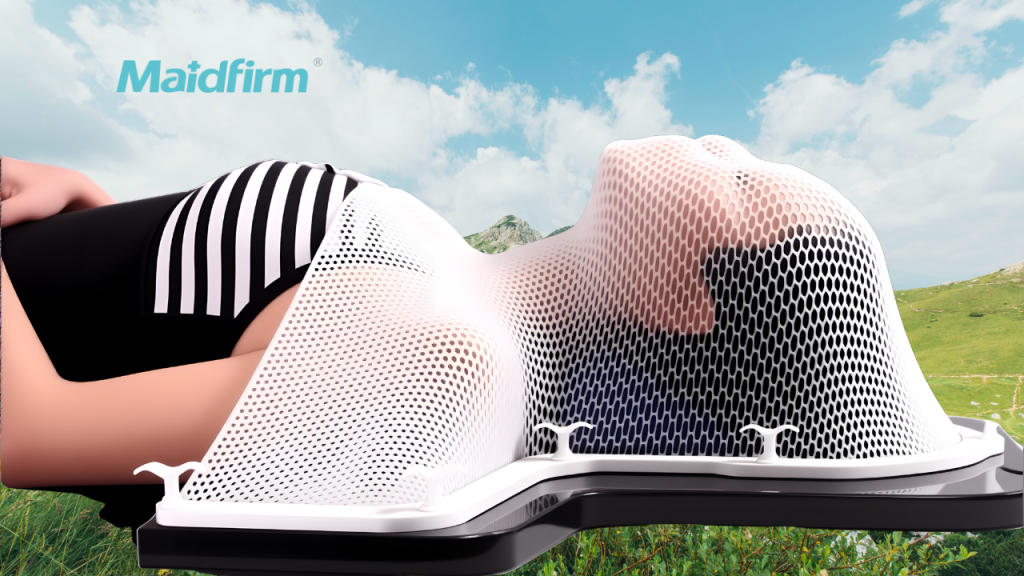
Thermoplastic masks are the standard immobilization solution for head and neck radiotherapy. When heated, the material becomes pliable and can be molded directly to the patient’s facial contours. Once cooled, it hardens into a rigid structure that restricts movement throughout the treatment course.
However, not all mask fits are equal. The quality of the mask fit determines how effectively it can control:
• Translational motion (left–right, anterior–posterior, superior–inferior)
• Rotational errors (pitch, roll, yaw)
• Inter-fraction anatomical variation
In practice, the mask is not merely a restraint—it is a reproducibility system.
The Science Behind Mask Fit and Precision
1. Surface Conformity and Contact Area
A well-fitted thermoplastic mask maximizes surface contact area with the patient’s skin, especially over rigid bony landmarks such as:
• Nasal bridge
• Zygomatic arches
• Mandible
• Forehead
Greater conformity distributes pressure evenly and minimizes localized slack, reducing micro-movements during treatment.
2. Mechanical Stability Over Time
Head and neck patients often experience weight loss, tumor regression, or edema changesduring treatment. Masks that are initially loose—or molded with insufficient tension—are more prone to loss of stability as anatomy changes.
High-quality mask fitting anticipates these changes by:
• Ensuring firm initial molding
• Using reinforced mask materials when appropriate
• Combining masks with customized headrests or bite blocks
3. Rotational Control
Rotational errors are particularly challenging to detect and correct, especially when image guidance focuses primarily on translational shifts. Proper mask fit, especially around the chin and lateral jaw regions, plays a key role in minimizing pitch and yaw variations.
Mask Fit and Image-Guided Radiotherapy (IGRT)
While daily IGRT has significantly improved setup accuracy, it does not replace immobilization quality. Instead, IGRT and mask fit work synergistically.
Poor mask fit leads to:
• Larger daily setup corrections
• Increased residual rotational errors
• Greater reliance on image guidance and couch adjustments
Conversely, a high-quality mask fit:
• Reduces systematic errors
• Improves initial setup accuracy
• Enhances confidence in adaptive and margin-reduction strategies
In other words, better immobilization makes IGRT more effective, not less necessary.
Patient Comfort vs. Immobilization Precision
A common misconception is that tighter masks always reduce patient comfort. In reality, well-designed mask fitting improves both comfort and reproducibility.
Poorly fitted masks may:
• Create pressure points
• Allow subtle motion that increases patient anxiety
• Require frequent repositioning
Clear patient communication during molding, proper temperature control of the thermoplastic material, and attention to breathing and swallowing comfort are all essential to achieving optimal results.
Clinical Impact of Improved Reproducibility
High setup reproducibility enabled by proper mask fit contributes to:
• Improved target coverage
• Reduced dose to OARs
• Lower acute and late toxicities
• Greater confidence in hypofractionation and adaptive workflows
As treatment techniques continue to evolve, the fundamentals of immobilization remain unchanged—and arguably more important than ever.
Conclusion
In head and neck radiotherapy, precision is built fraction by fraction. Setup reproducibility is not a secondary consideration but a foundational requirement, and thermoplastic mask fit plays a decisive role in achieving it.
Understanding the science behind mask fitting—and treating it as a critical clinical process rather than a routine step—allows radiation oncology teams to fully realize the benefits of modern radiotherapy techniques. Ultimately, a well-fitted mask is not just a piece of equipment; it is a key contributor to treatment accuracy, patient safety, and therapeutic success.