
 kevin clarke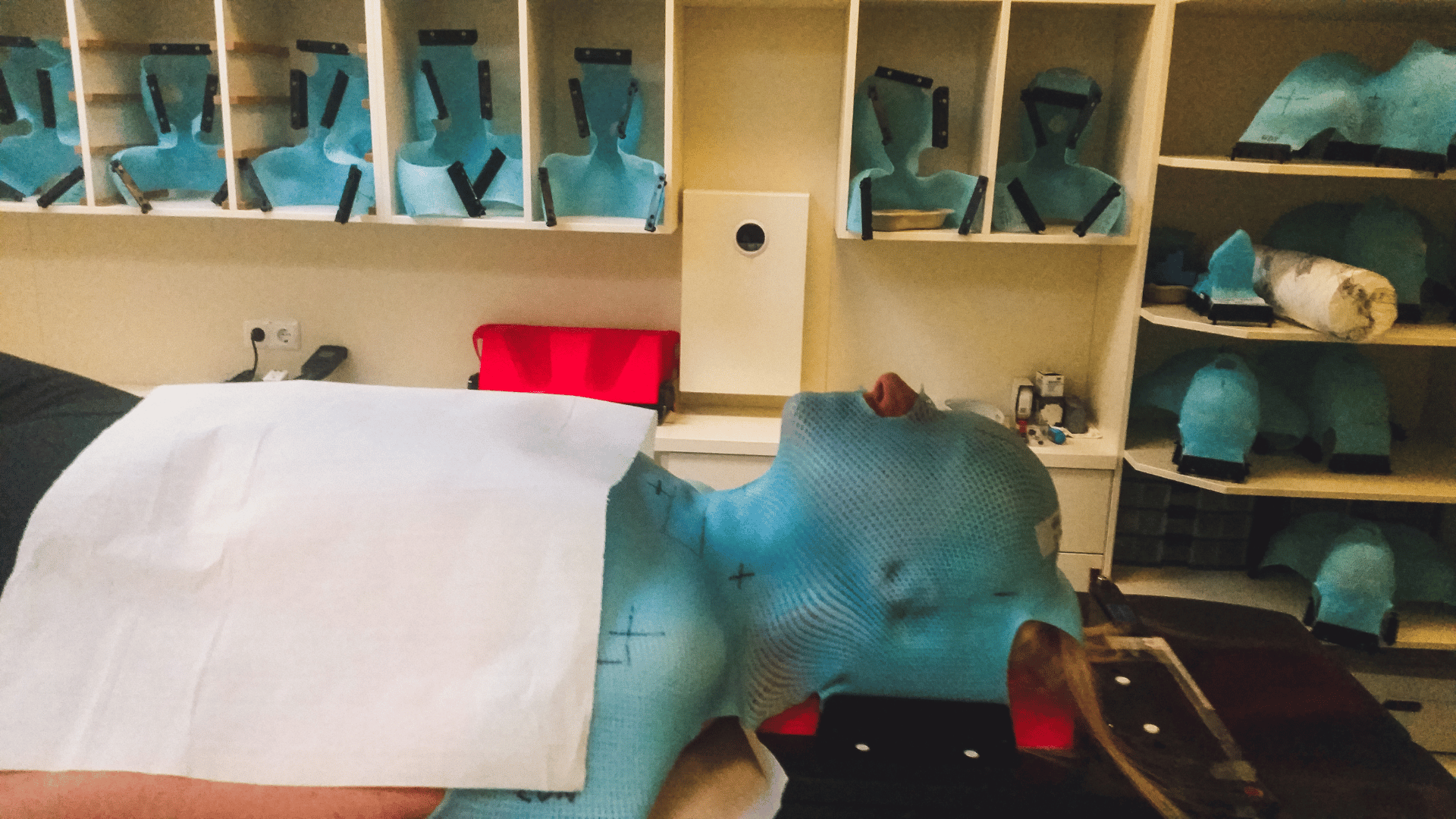
Introduction
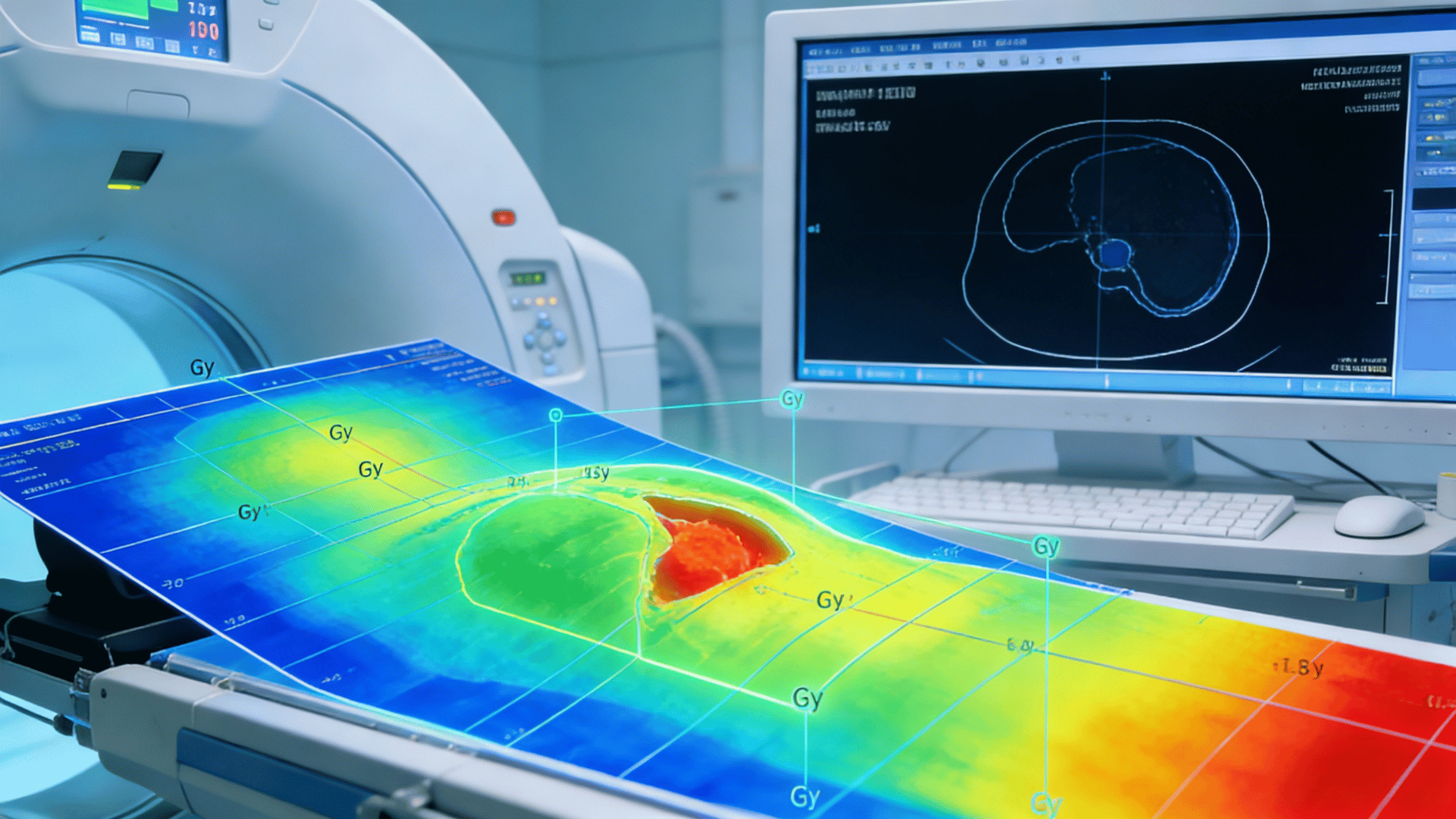
Modern radiotherapy is built on a promise: the dose calculated in the treatment planning system (TPS) should match the dose delivered to the patient as closely as possible. Achieving this consistency requires not only advanced algorithms and precise delivery systems, but also careful consideration of everything in the beam path.
Among the most influential—and often underestimated—factors are treatment accessories, including immobilization devices, couchtops, positioning frames, and patient supports. This article examines how low-attenuation accessories reduce dosimetric uncertainties throughout the entire radiotherapy workflow, from planning to delivery.
Understanding Dosimetric Uncertainty in Radiotherapy
Dosimetric uncertainty arises when there is a mismatch between assumed and actual beam conditions. Common sources include:
- Inaccurate material modeling in the TPS
- Beam attenuation and scatter from external devices
- Angular dependence not fully accounted for
- Variations between simulation and treatment setup
In high-precision treatments such as IMRT, VMAT, and SBRT, these uncertainties can accumulate and become clinically significant.
Accessories as Part of the Beam Path
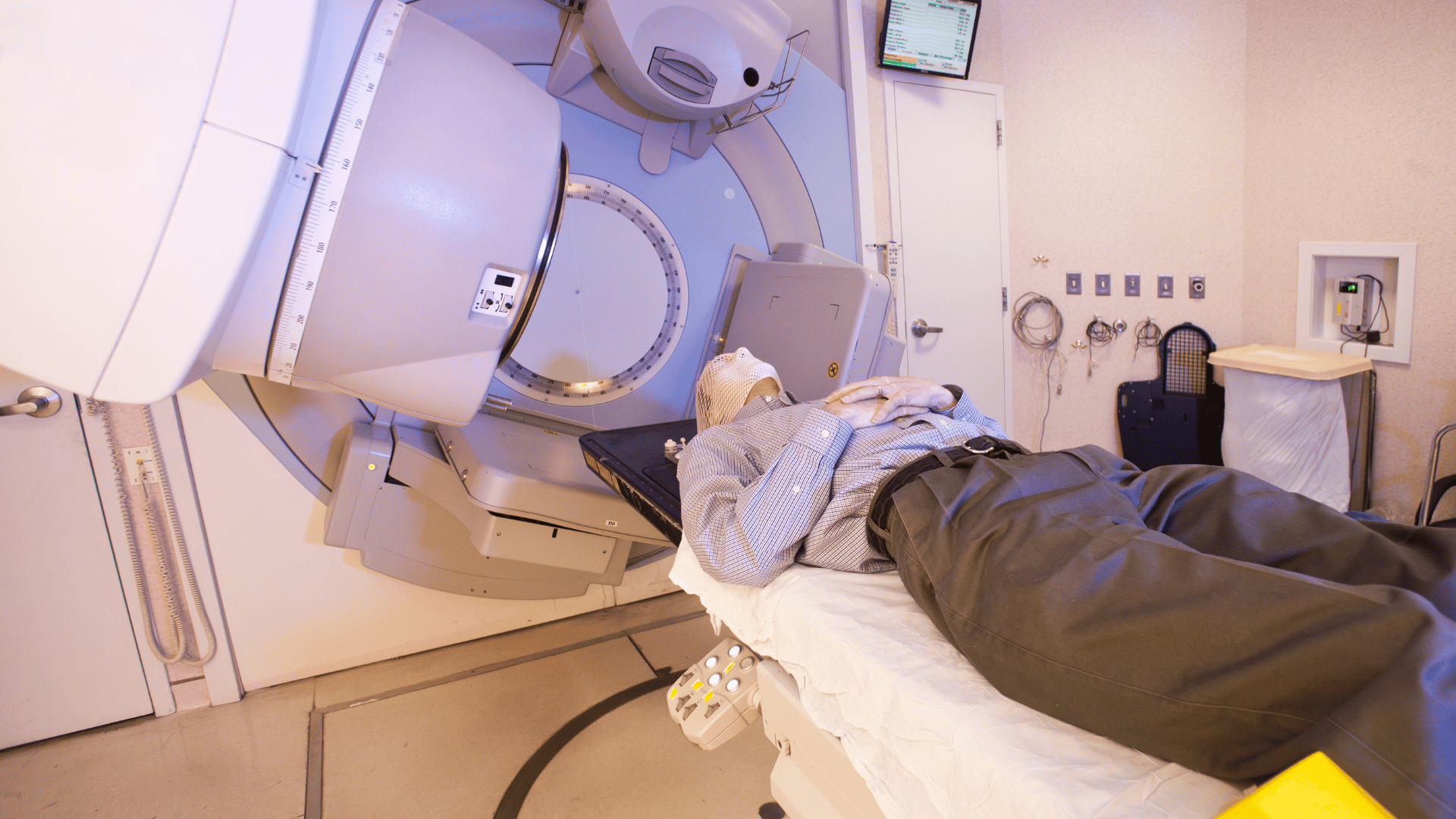
While accessories are often designed primarily for positioning or immobilization, they frequently intersect the treatment beam—especially for posterior or oblique fields.
Examples include:
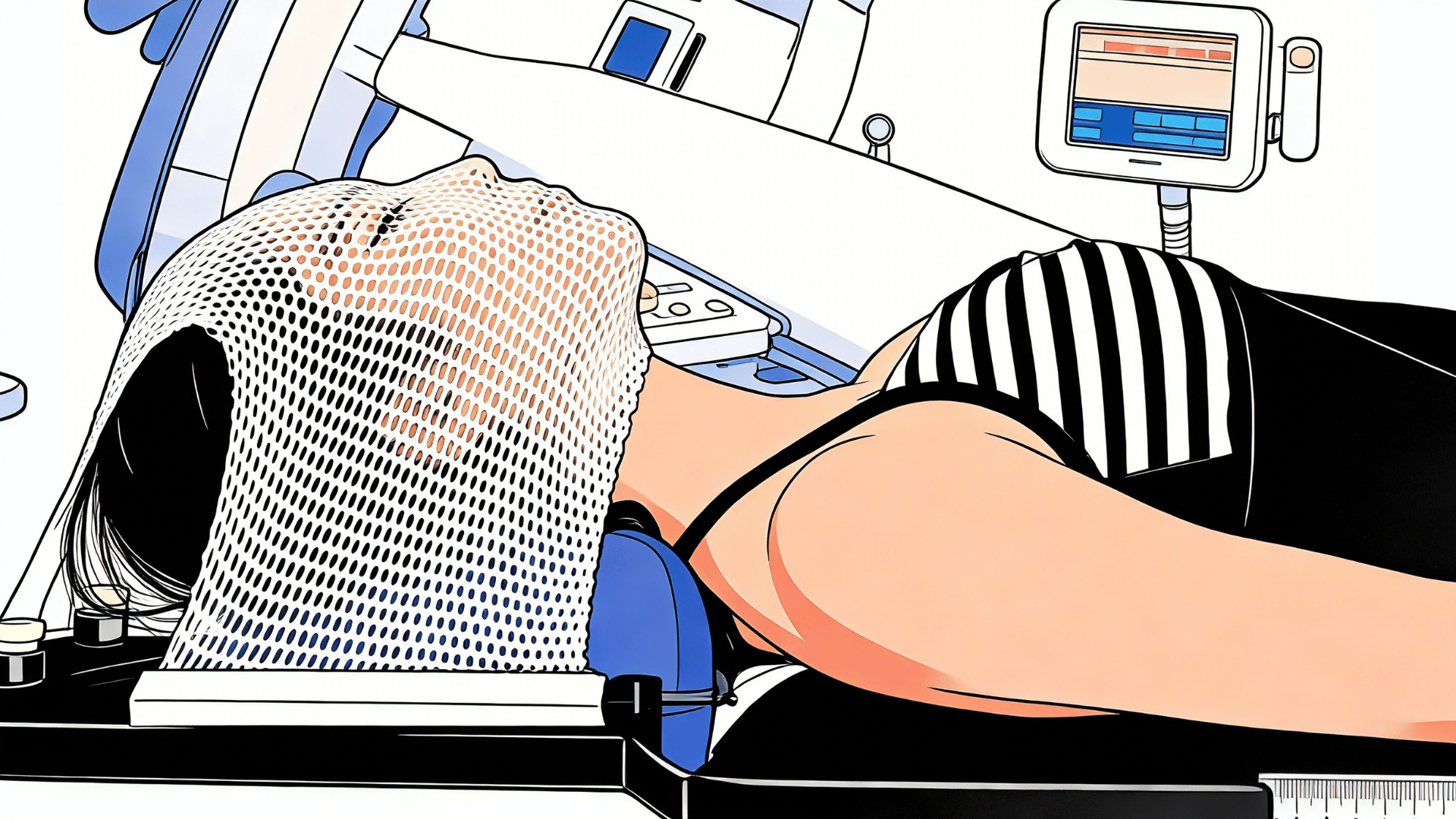
- Immobilization masks and body supports
- Carbon fiber couchtops
- Positioning frames and rails
- Patient fixation and stabilization devices
If their radiological properties are not carefully controlled, these components can introduce systematic dose errors.
Why Low-Attenuation Materials Matter
Low-attenuation accessories are engineered to minimize beam interaction while maintaining mechanical strength and stability.
Key material characteristics include:
- Low effective atomic number
- Uniform density and thickness
- Minimal angular dependence
- Predictable and reproducible attenuation behavior
These properties reduce the gap between planned dose assumptions and actual beam delivery.
Impact on Treatment Planning Accuracy
1. Improved Dose Calculation Fidelity
When accessory attenuation is minimal and consistent, TPS modeling becomes more accurate and robust. This is particularly important for:
- Multi-angle IMRT and VMAT plans
- Non-coplanar beam arrangements
- Posterior field utilization
Low-attenuation accessories reduce the need for aggressive plan compensation or conservative margin expansion.
2. Reduced Sensitivity to Modeling Errors
Even when accessories are modeled in the TPS, uncertainties in material composition or thickness can lead to dose discrepancies. Low-attenuation designs inherently limit the magnitude of these errors.
In practice, this means:
- Smaller deviation between calculated and measured dose
- Greater confidence in plan robustness
- Improved consistency across patients and treatment sites
Delivery Phase: Preserving Planned Geometry and Dose
During treatment delivery, beam interaction with accessories is unavoidable. Low-attenuation systems help ensure that:
- Beam fluence remains close to planned values
- Dose perturbations are minimized
- Angular delivery accuracy is preserved
This is especially critical in hypofractionated treatments, where each fraction carries high biological weight.
Benefits for Image Guidance and Adaptive Workflows
Low-attenuation accessories also improve the reliability of imaging used for setup verification and adaptation.
Advantages include:
- Reduced imaging artifacts
- More accurate image registration
- Clearer distinction between patient anatomy and external devices
This clarity supports confident adaptive decision-making based on true anatomical changes rather than device-induced uncertainty.
Quality Assurance and End-to-End Testing
From a physics and QA perspective, low-attenuation accessories simplify:
- Commissioning and TPS validation
- End-to-end dosimetric testing
- In vivo and phantom-based verification
By reducing one of the major uncontrolled variables in the beam path, these accessories improve the reproducibility and interpretability of QA results.
Clinical Implications Across Treatment Sites
The benefits of low-attenuation accessories extend across multiple clinical scenarios:
- Lung SBRT: improved posterior beam accuracy
- Breast radiotherapy: consistent tangential and oblique field delivery
- Head & neck: reduced mask-induced dose perturbation
- Abdominal RT: more reliable multi-angle planning
In each case, minimizing accessory-induced uncertainty directly supports safer and more precise treatment.
Manufacturer Perspective: Designing for Dosimetric Integrity
From a manufacturer’s standpoint, low-attenuation design is not a cosmetic feature—it is a clinical responsibility.
Achieving this requires:
- Careful material selection
- Rigorous attenuation characterization
- Consistent manufacturing tolerances
- Transparent documentation for clinical users
Accessories must be engineered as dosimetric components, not just mechanical ones.
Conclusion
From treatment planning to dose delivery, every element in the radiotherapy workflow contributes to overall accuracy. Low-attenuation accessories play a critical role in minimizing dosimetric uncertainties by preserving the integrity of the planned beam path.
As radiotherapy continues to push toward tighter margins and higher precision, reducing avoidable sources of uncertainty becomes essential. In this context, low-attenuation accessories are not optional optimizations—they are foundational tools for delivering what is planned, accurately and consistently.