 kevin clarke
Introduction
Radiotherapy for liver and pancreatic tumors represents one of the most technically demanding applications in abdominal radiation oncology. These targets are not only subject to significant respiratory motion but are also surrounded by highly radiosensitive organs, including the stomach, duodenum, bowel, kidneys, and spinal cord.
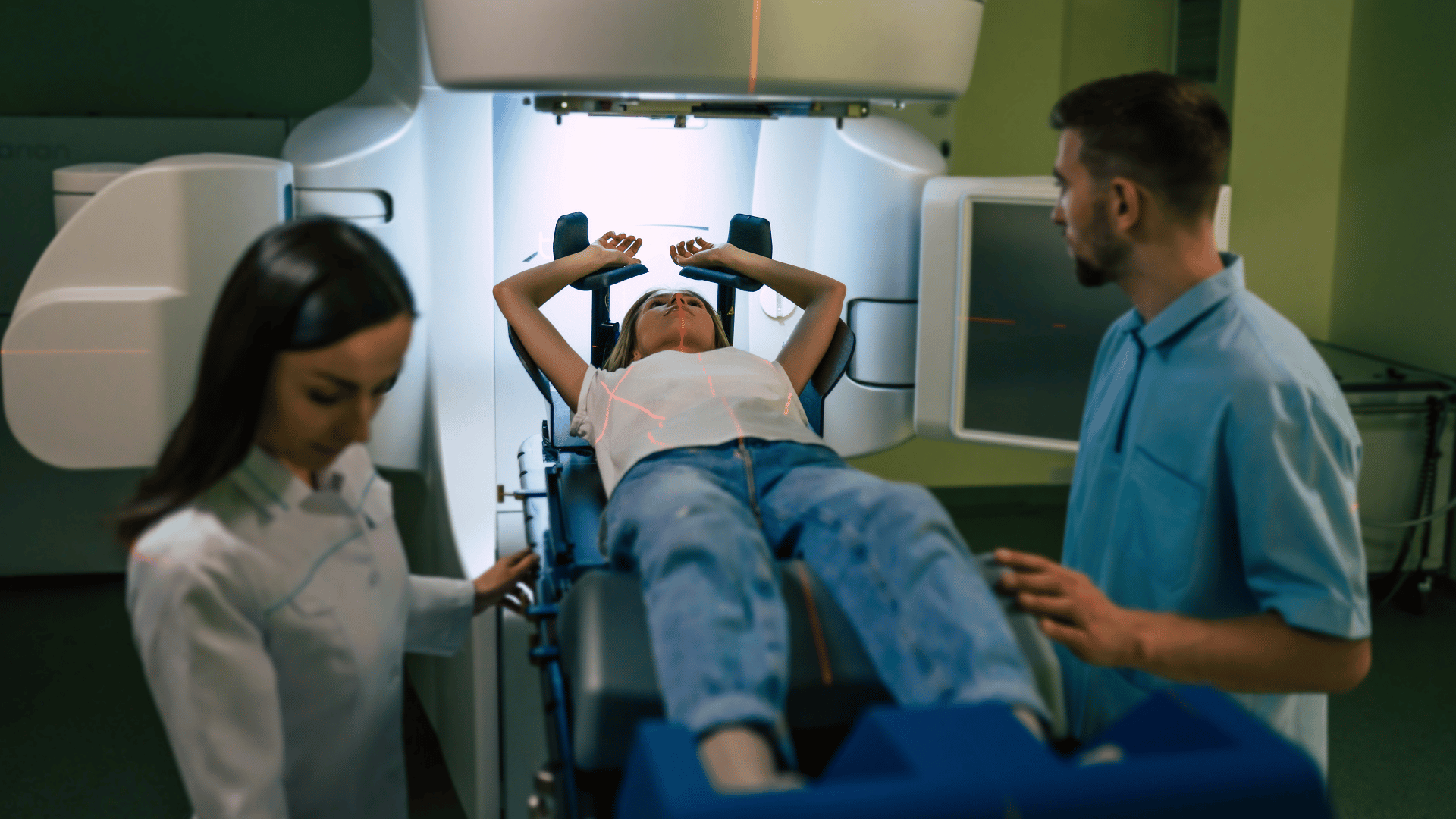
In this setting, treatment precision depends on more than motion management alone. Achieving consistent, reproducible patient positioning across all fractions is equally critical. This article explores how the combined use of vacuum cushions and rigid positioning frames provides a practical and effective solution for improving stability in liver and pancreatic radiotherapy.
Why Stability Is Critical for Liver and Pancreatic Treatments
Unlike pelvic or extremity targets, upper abdominal organs exhibit both intra-fraction motion and inter-fraction positional variability. Factors contributing to instability include:
- Respiratory-induced organ displacement
- Changes in stomach and bowel filling
- Variations in patient posture and muscle relaxation
- Weight loss or discomfort over the treatment course
For high-dose regimens such as SBRT, these uncertainties can compromise target coverage or increase dose to nearby organs at risk (OARs).
Vacuum Cushions: Creating Patient-Specific Immobilization
1. Personalized Anatomical Conformity
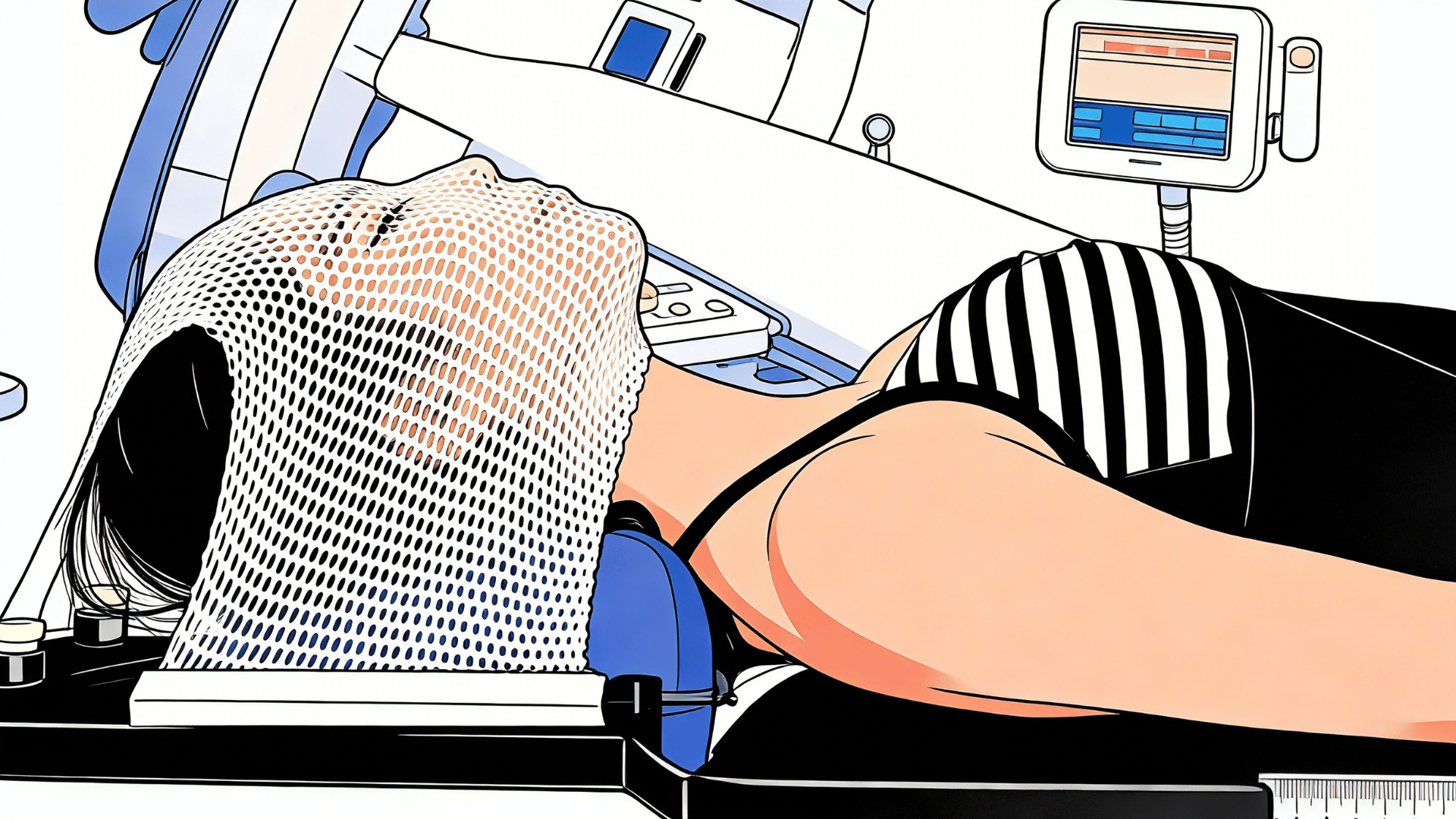
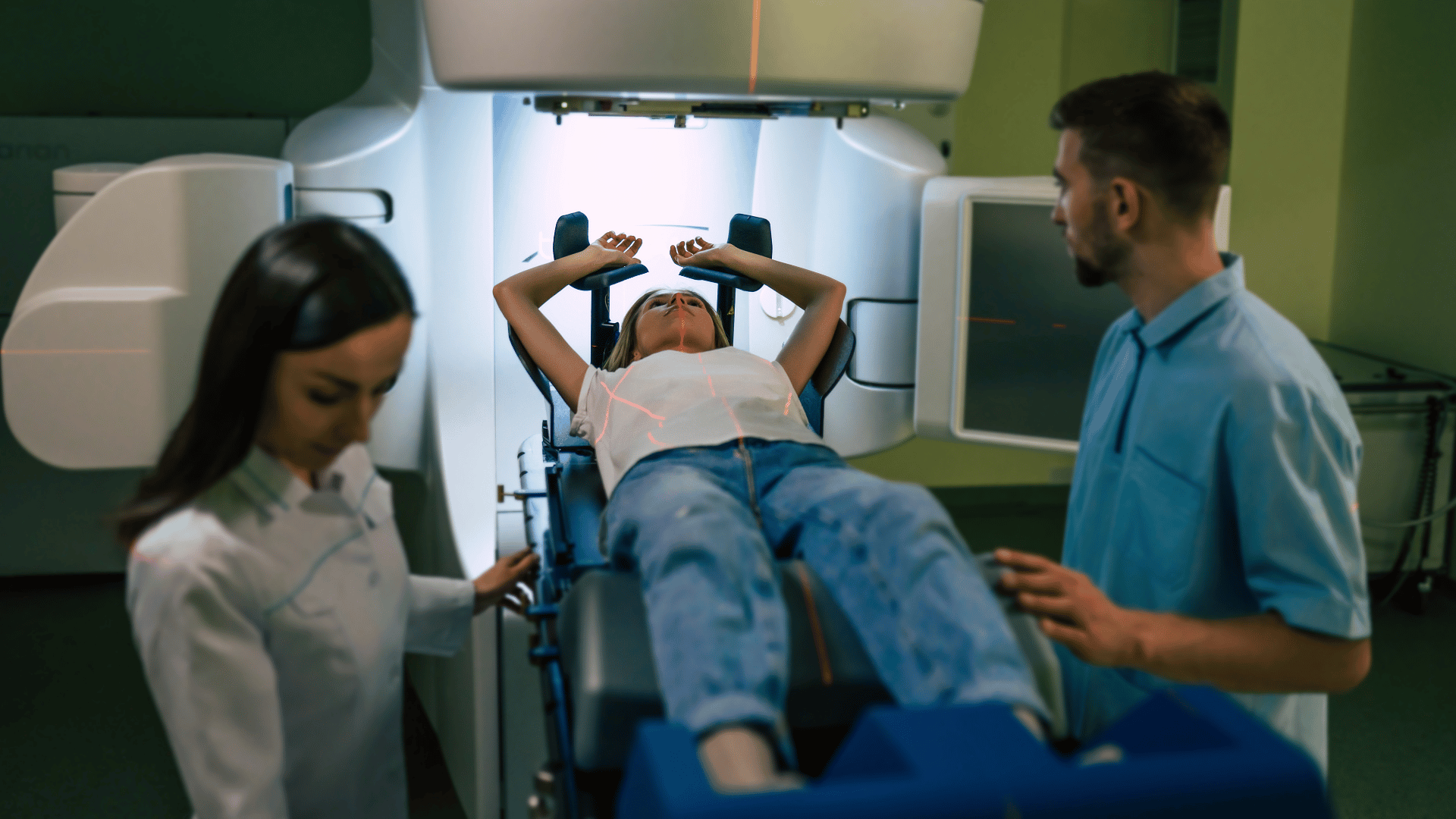
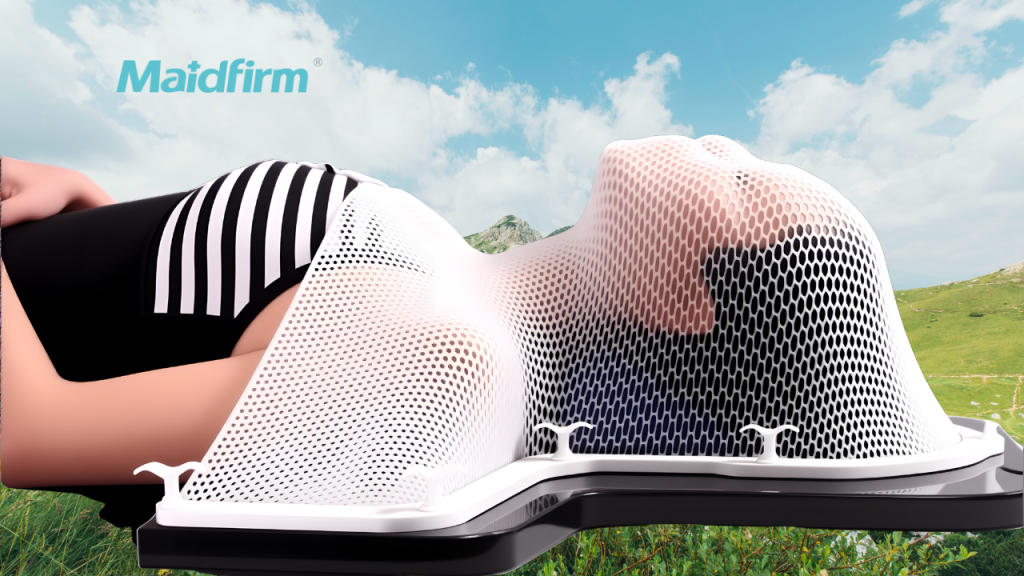
Vacuum cushions are molded to the patient’s body contour at simulation, creating a customized cradle that supports the torso, flanks, and pelvis.
Their key advantages include:
- Even weight distribution and improved comfort
- Reduced lateral and rotational movement
- Enhanced day-to-day positioning reproducibility
By conforming closely to the patient’s anatomy, vacuum cushions limit non-respiratory motion that cannot be addressed by compression or gating alone.
2. Consistency Across Fractions
Once sealed, the vacuum cushion maintains its shape throughout the treatment course. This consistency ensures that the patient’s baseline posture—particularly in the upper abdomen—is reproduced accurately at each session.
For liver and pancreatic radiotherapy, this baseline stability is essential for:
- Reliable image registration
- Accurate assessment of anatomical changes
- Confidence in cumulative dose delivery
The Role of Positioning Frames in Abdominal RT
1. Providing a Rigid Reference Structure
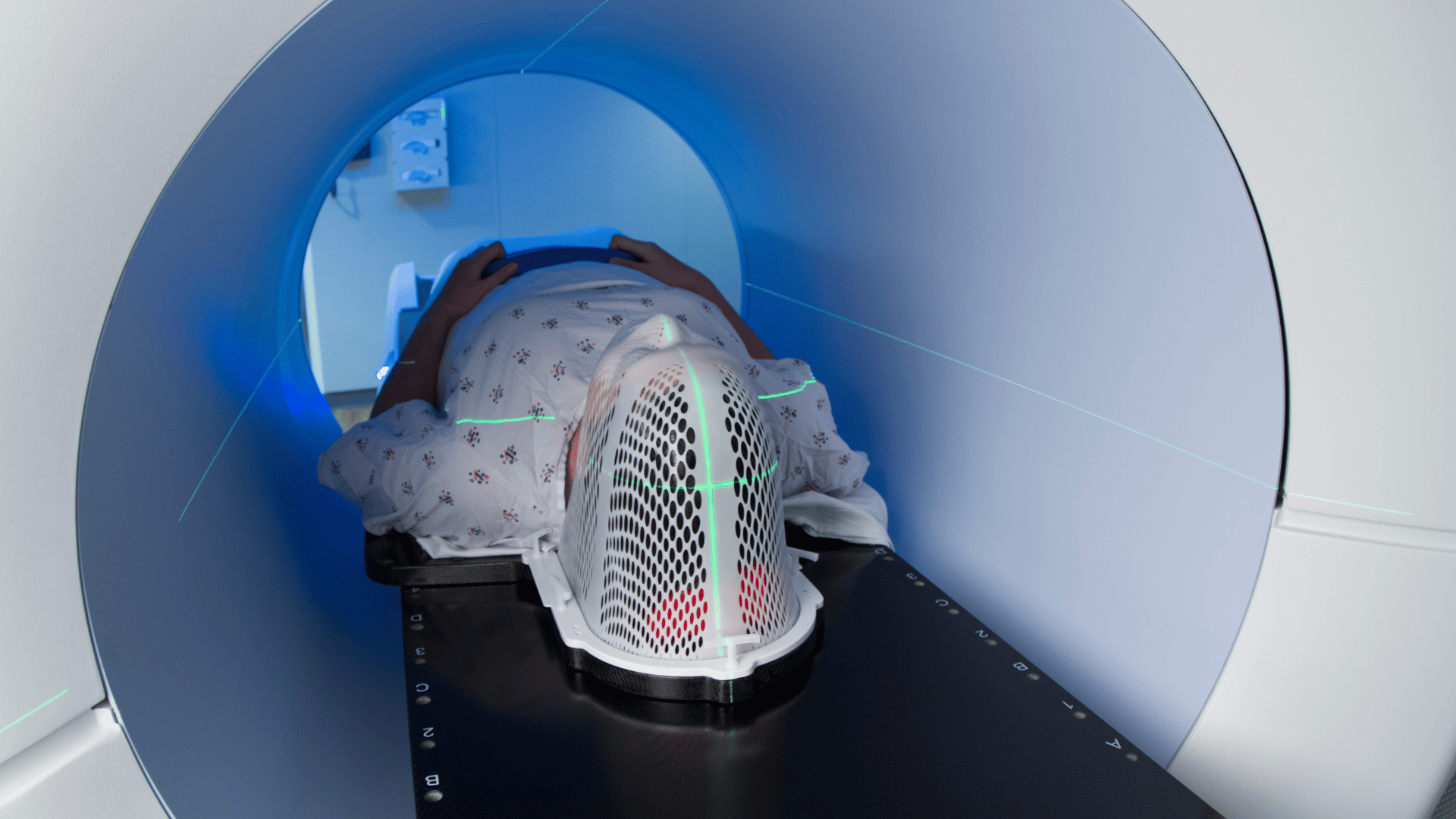
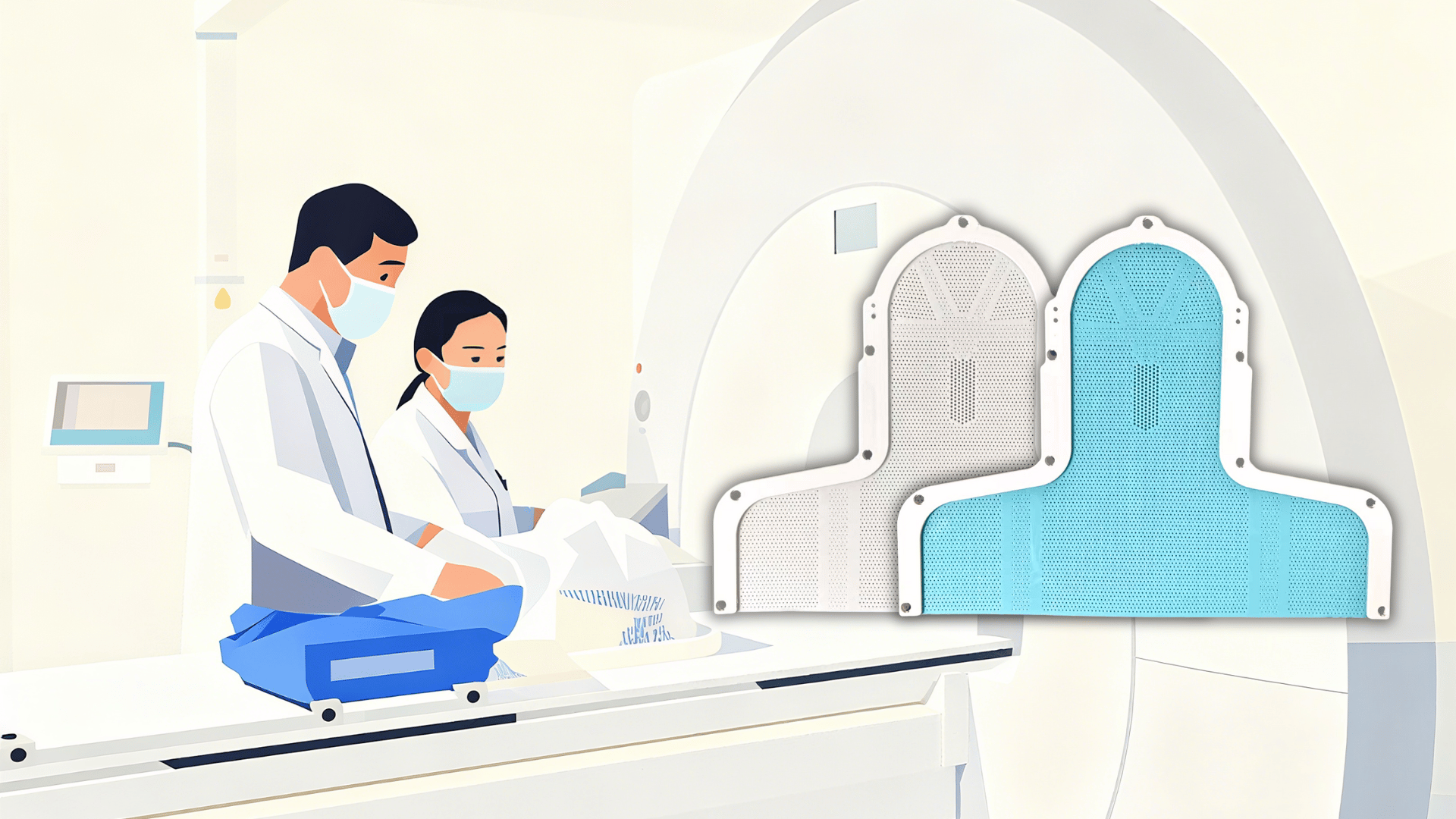
Positioning frames offer a stable, indexed structure that interfaces directly with the treatment couch. When used in conjunction with vacuum cushions, frames provide a fixed geometric reference that minimizes setup variability.
This rigid framework:
- Enhances translational and rotational control
- Improves alignment between simulation and treatment
- Supports integration with image-guided workflows
2. Supporting Additional Motion Management Devices
Frames are often designed to accommodate abdominal compression plates, respiratory monitoring equipment, or stereotactic localization systems.
This integration allows clinicians to:
- Combine baseline immobilization with motion restriction
- Maintain consistent device geometry across fractions
- Avoid ad hoc setups that increase uncertainty
Synergistic Benefits of Combining Vacuum Cushions and Frames
The combined use of vacuum cushions and frames addresses multiple sources of uncertainty simultaneously:
- Vacuum cushions control patient posture and comfort
- Frames ensure geometric reproducibility and indexing
Together, they:
- Reduce setup time and variability
- Support tighter ITV and PTV margins
- Enhance the effectiveness of image guidance and motion assessment
This synergy is particularly valuable in complex cases where liver or pancreatic tumors are adjacent to critical OARs.
Clinical Impact on Treatment Accuracy and Safety
From a clinical standpoint, improved stability translates into:
- More reliable target coverage
- Reduced dose uncertainty to stomach, duodenum, and bowel
- Increased confidence in dose escalation and hypofractionation
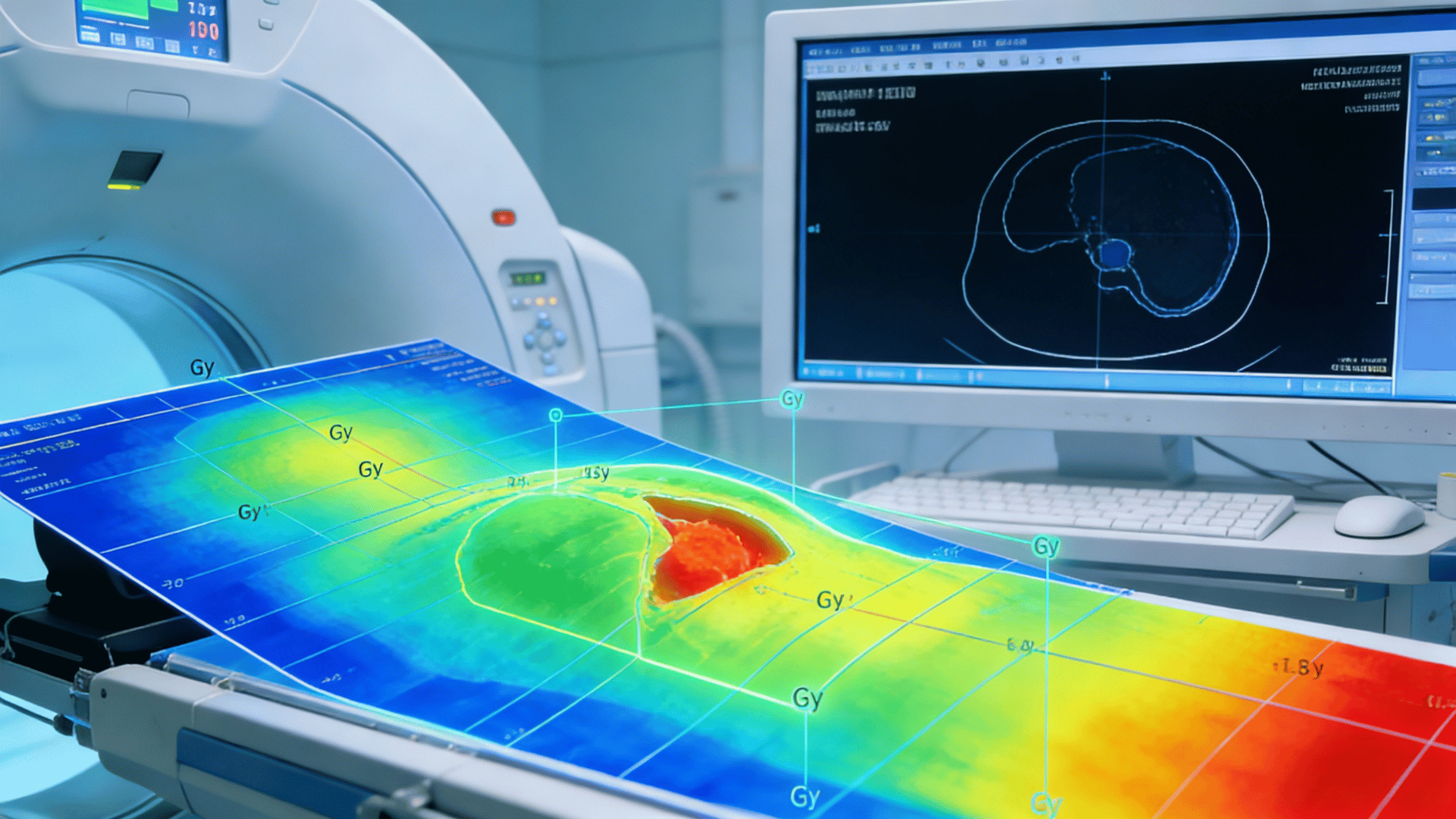
- Greater consistency between planned and delivered dose distributions
For physicians, these improvements directly support safer and more effective abdominal radiotherapy.
Patient Comfort and Compliance
Stability must be achieved without compromising patient tolerance. Vacuum cushions distribute pressure evenly, while frames provide secure yet non-restrictive support.
When patients are comfortable:
- Muscle tension is reduced
- Breathing patterns are more regular
- Intra-fraction motion is minimized
This patient-centered design contributes to overall treatment success.
Conclusion
In liver and pancreatic radiotherapy, precision begins with stability. The combined application of vacuum cushions and positioning frames offers a robust, reproducible solution for controlling baseline patient position in a region challenged by motion and anatomical variability.
By establishing a stable foundation for motion management, image guidance, and high-dose delivery, these immobilization strategies play a critical role in advancing the safety and effectiveness of abdominal radiotherapy.