 kevin clarke
Introduction
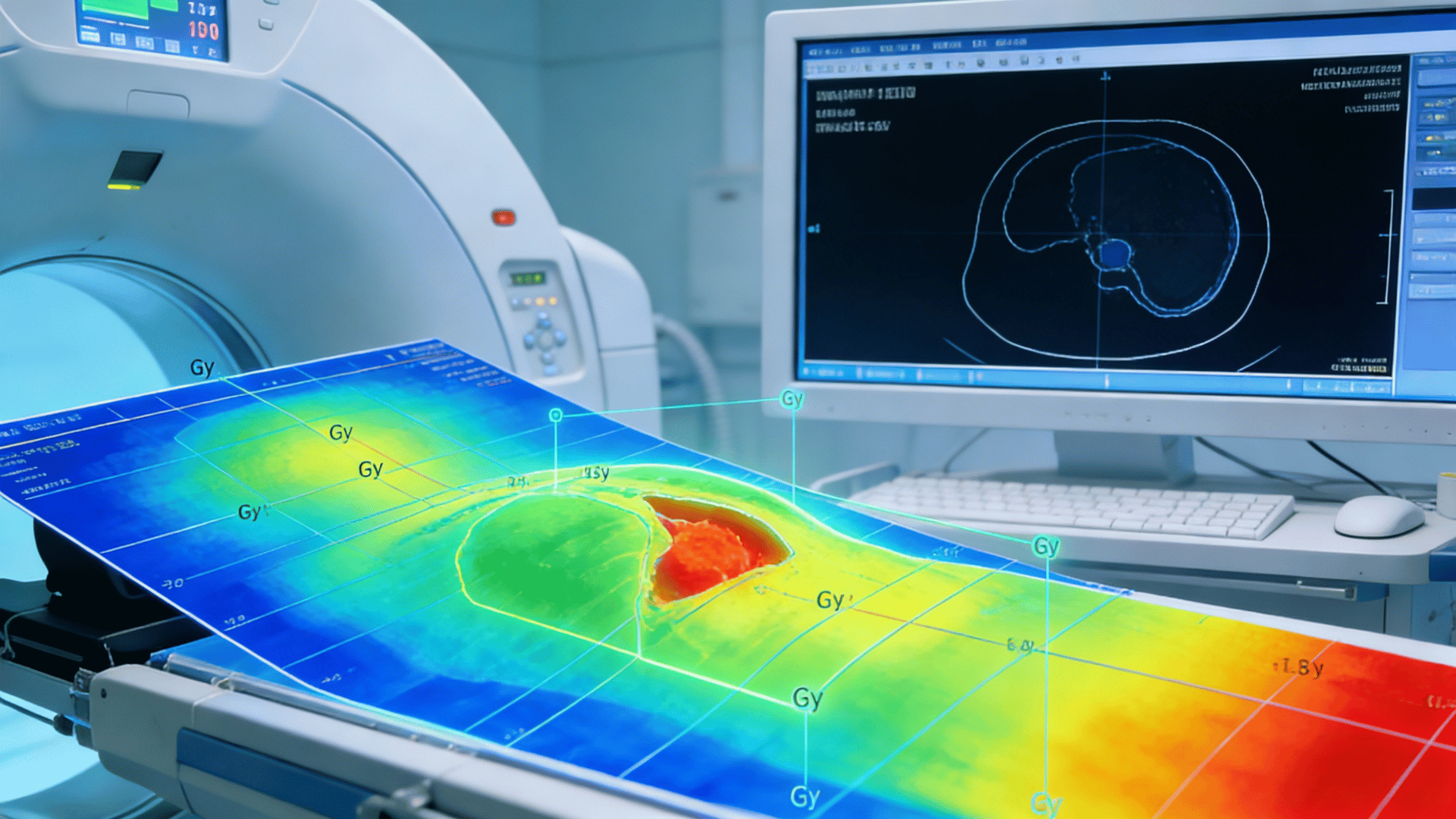
Stereotactic body radiotherapy (SBRT) has transformed the management of abdominal malignancies by enabling the delivery of ablative doses with sub-millimeter precision. However, this precision is constantly challenged by a fundamental physiological factor: respiratory motion.
Unlike head and neck or extremity treatments, abdominal targets such as liver, pancreas, adrenal glands, and upper abdominal lymph nodes move continuously with breathing. In SBRT—where margins are intentionally small and dose gradients are steep—unmanaged motion can undermine both target coverage and organ-at-risk (OAR) protection.
This article examines best practices for managing respiratory motion in abdominal SBRT, with a particular focus on the role of high-precision positioning systems and abdominal compression solutions.
Why Respiratory Motion Is the Primary Challenge in Abdominal SBRT
Respiratory-induced motion in the abdomen is complex, patient-specific, and multi-directional. Target displacement of 10–20 mm or more is not uncommon, particularly in the superior–inferior direction.
Key clinical implications include:
- Increased risk of target miss during high-dose delivery
- Necessity for expanded internal target volume (ITV) margins
- Elevated dose to nearby critical organs such as stomach, duodenum, bowel, kidneys, and spinal cord
In the SBRT setting, where few fractions carry high biological effect, even a single poorly managed fraction can have significant consequences.
Motion Management Strategies: An Overview
Several approaches are used to manage respiratory motion in abdominal SBRT, including:
- Motion-encompassing techniques (ITV-based planning)
- Respiratory gating
- Breath-hold techniques
- Real-time tumor tracking
- Physical motion restriction via abdominal compression
Among these, motion restriction through positioning and compression remains one of the most robust and workflow-efficient solutions, particularly when integrated into dedicated SBRT systems.
The Role of High-Precision Positioning in Motion Control
1. Establishing a Stable Baseline Anatomy
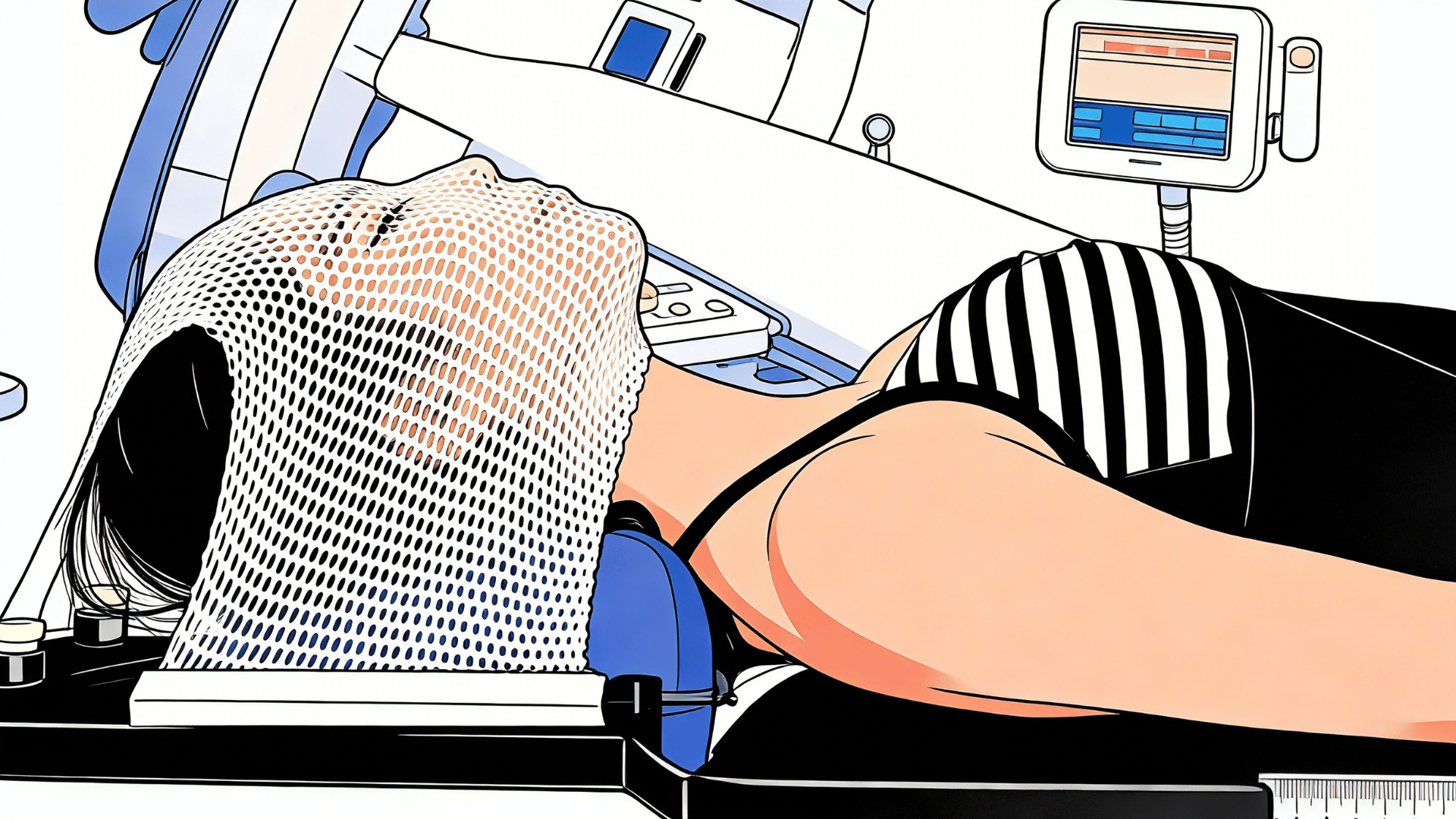
High-precision SBRT positioning systems are designed to minimize baseline variability before motion management techniques are applied.
Key features include:
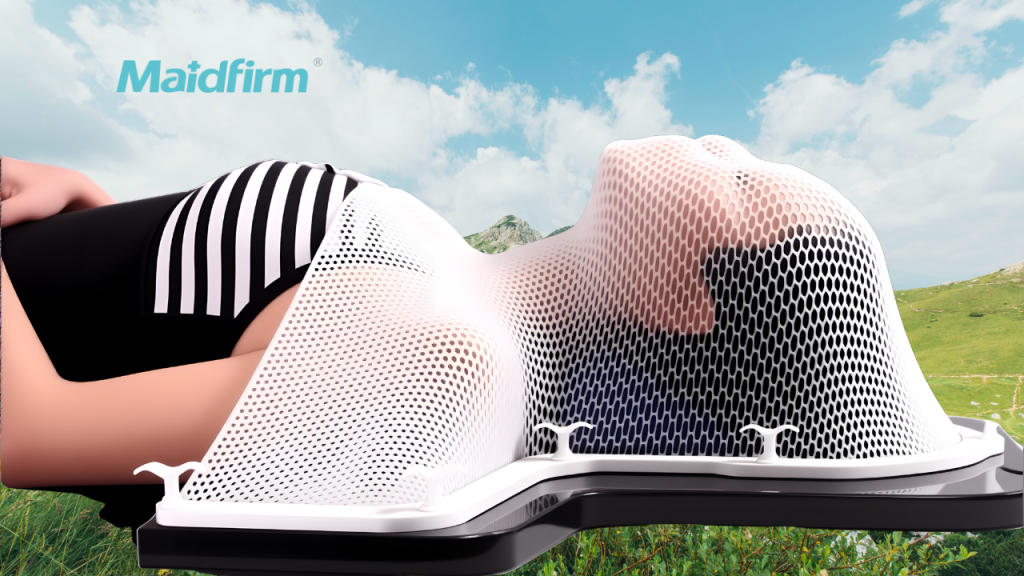
- Rigid, indexed patient supports
- Reproducible body alignment across fractions
- Secure fixation of thoracic and pelvic landmarks
By reducing non-respiratory setup variability, these systems ensure that observed motion is primarily respiratory in origin—and therefore easier to manage.
2. Abdominal Compression: Reducing Motion Amplitude
Abdominal compression is a widely used and clinically validated method for limiting respiratory motion, particularly for upper abdominal targets.
Mechanistically, compression:
- Restricts diaphragmatic excursion
- Reduces superior–inferior organ displacement
- Decreases inter-fraction motion variability
Well-designed compression plates allow controlled, adjustable pressure, balancing motion reduction with patient comfort and compliance.
3. Reproducibility and Indexing of Compression Systems
For compression to be clinically effective, it must be highly reproducible. Modern abdominal compression systems are indexed and integrated into the treatment couch, enabling consistent setup geometry across all SBRT fractions.
This reproducibility:
- Supports smaller ITV and PTV margins
- Improves confidence in cumulative dose delivery
- Reduces the need for overly conservative planning assumptions
Integration with Image Guidance and 4DCT
Abdominal SBRT relies heavily on advanced imaging to characterize and verify motion. High-quality positioning systems enhance the reliability of:
- 4DCT-based motion assessment
- Daily CBCT verification
- Deformable image registration in adaptive workflows
When abdominal compression is used consistently, respiratory motion observed during simulation more accurately reflects treatment-day motion, improving the validity of planning margins.
Clinical Benefits of Effective Motion Management
From a clinical perspective, optimal respiratory motion control enables:
- Improved target coverage in hypofractionated regimens
- Reduced dose to radiosensitive abdominal OARs
- Greater confidence in dose escalation strategies
- Enhanced treatment safety in anatomically complex cases
In many institutions, effective compression and positioning are prerequisites for offering abdominal SBRT at all.
Patient Experience and Compliance
Patient tolerance is a critical factor in motion management. Advanced compression systems are designed with:
- Gradual pressure adjustment
- Clear visual and verbal patient feedback
- Secure yet non-restrictive support structures
When patients are comfortable and well-informed, compliance improves—leading to more stable breathing patterns and better overall treatment accuracy.
Conclusion
Respiratory motion remains the defining technical challenge in abdominal SBRT. While advanced planning and imaging techniques are indispensable, high-precision positioning and abdominal compression systems form the physical foundation of effective motion management.
By reducing motion amplitude, improving reproducibility, and enabling tighter margins, these solutions allow clinicians to safely deliver the full therapeutic potential of SBRT—where precision is not a preference, but a requirement.