 kevin clarke
How Advanced Thermoplastics Guarantee Setup Reproducibility
Introduction: Why Not All Plastics Are Suitable for Radiotherapy
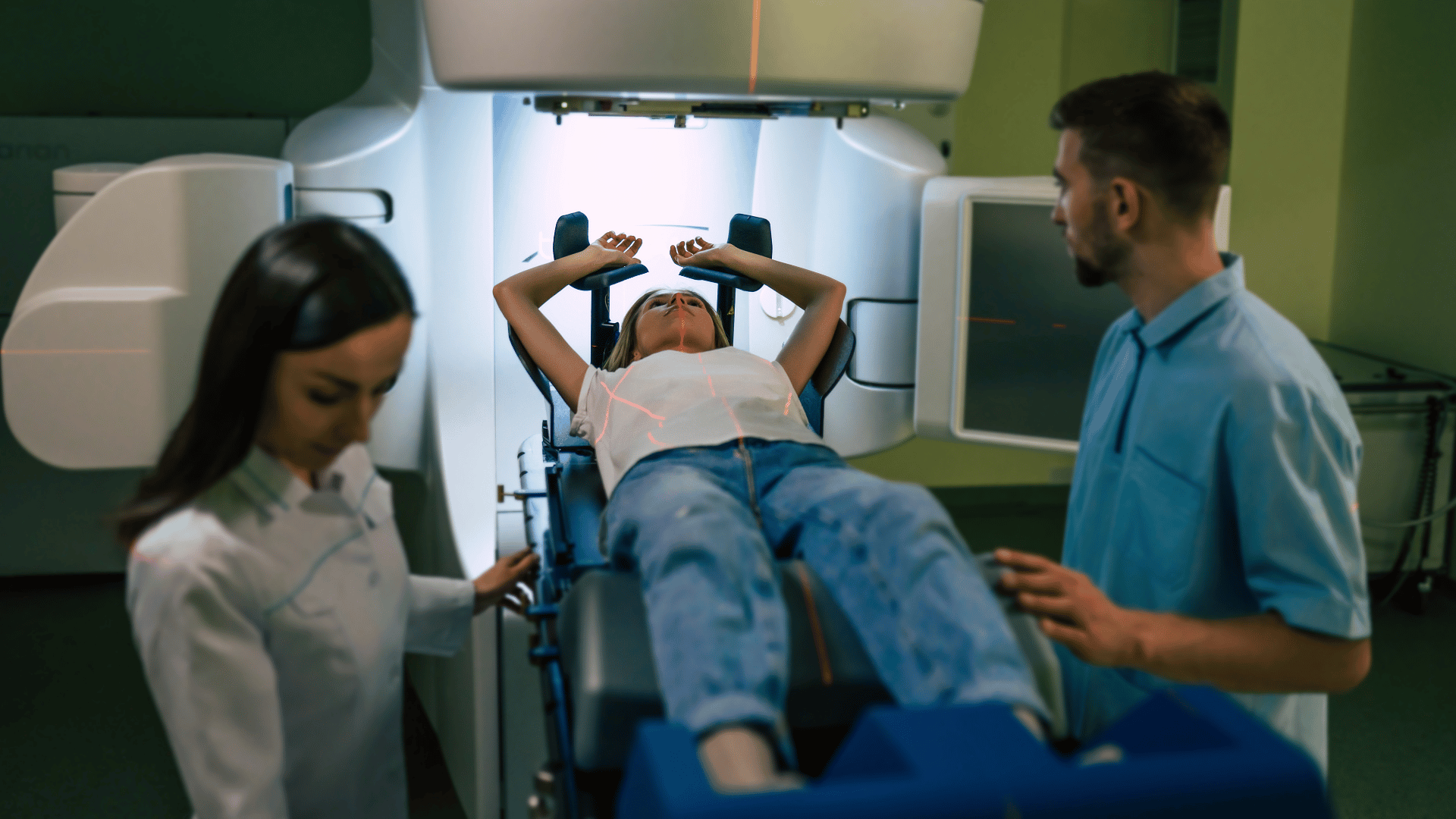
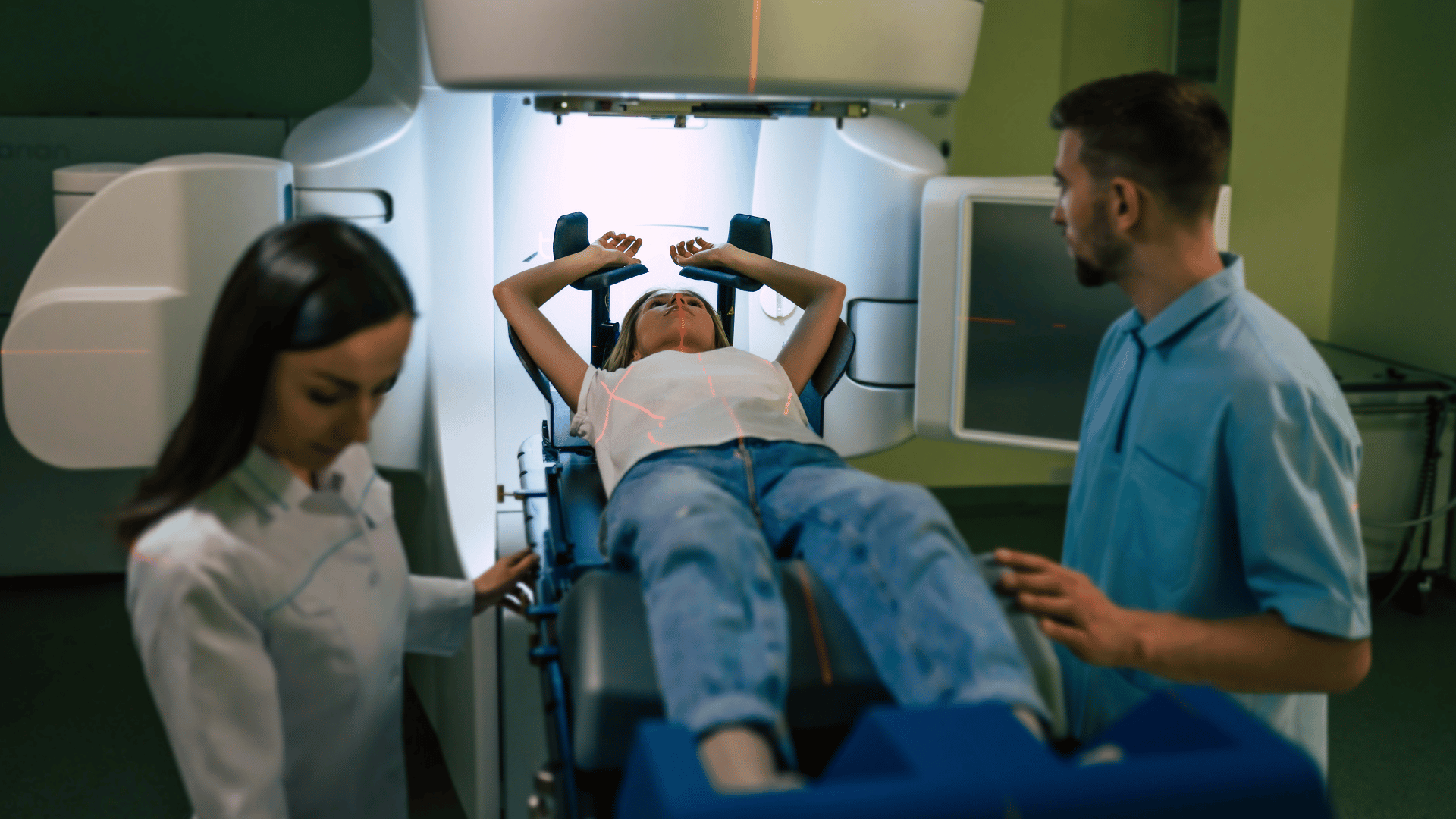
In modern radiotherapy, setup reproducibility is a prerequisite for precision. Whether in head and neck treatments, stereotactic procedures, or pediatric radiotherapy, the ability to reproduce patient positioning accurately across fractions directly affects target coverage and organ-at-risk protection.
This raises a fundamental question: why can only certain plastics be used for radiotherapy immobilization masks?
The answer lies in material science—and specifically in the shape memory behavior of advanced thermoplastics. Not all plastics soften, conform, stabilize, and recover in a way that supports high-precision clinical workflows. This article explores the science behind shape memory thermoplastics and explains how their engineered properties guarantee reliable setup reproducibility.
Understanding Shape Memory in Thermoplastics
In the context of radiotherapy immobilization, “shape memory” does not simply mean that a material can be reheated and reshaped. It refers to a carefully engineered balance between:
- Controlled softening at low temperatures
- Stable mechanical rigidity after cooling
- Predictable dimensional behavior over time
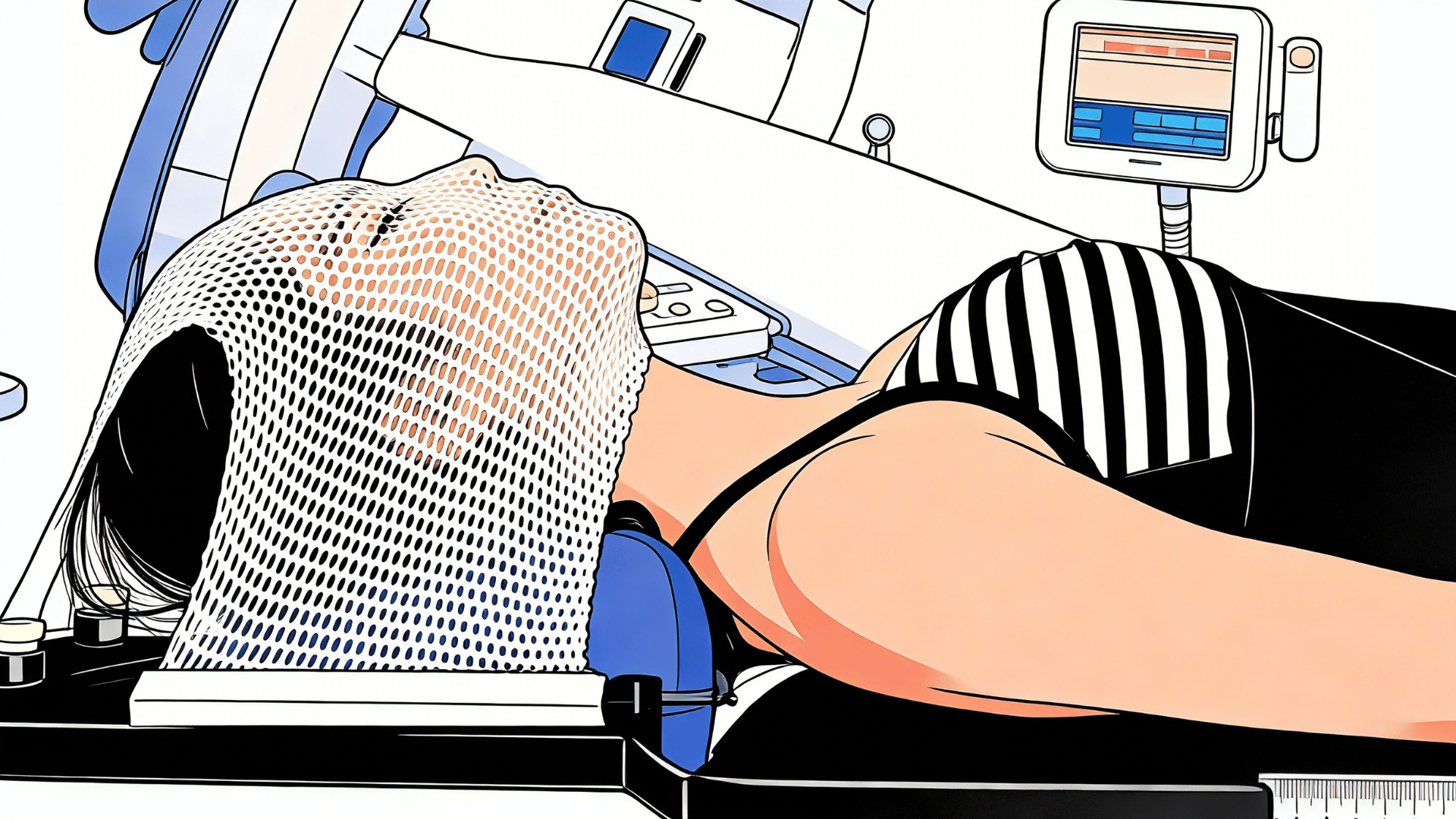
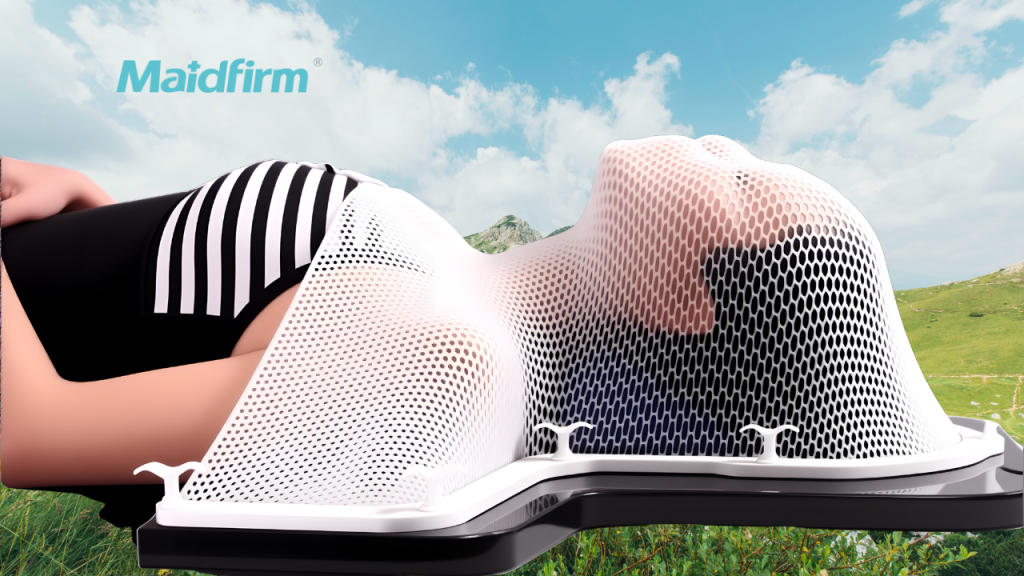
Advanced thermoplastics are designed to temporarily enter a pliable state, accurately conform to patient anatomy, and then return to a stable, reproducible geometry once cooled.
Low-Temperature Properties: Why 65–70°C Is the Gold Standard
One of the most critical requirements for radiotherapy thermoplastics is safe and efficient softening temperature.
Why 65–70°C?
The 65–70°C water bath range has become the clinical gold standard because it offers an optimal balance between:
- Rapid softening for efficient clinical workflow
- Patient safety, avoiding excessive surface heat
- Uniform pliability without material degradation
At this temperature range, advanced thermoplastics soften evenly, allowing precise molding without becoming overly elastic or unstable.
Clinical Impact of Low-Temperature Softening
Low-temperature softening enables:
- Faster mask preparation
- Reduced patient discomfort
- Shorter time spent in non-immobilized states
These factors are especially important for anxious patients, pediatric cases, and high-throughput clinics.
Shrinkage Control: Tight Fit Without Unwanted Pressure
A defining feature of high-quality radiotherapy thermoplastics is controlled shrinkage.
What Is Controlled Shrinkage?
As thermoplastics cool, a certain degree of shrinkage is necessary to achieve a snug, secure fit. However, uncontrolled shrinkage can lead to:
- Excessive pressure on the patient
- Discomfort or anxiety
- Increased risk of intrafraction motion
Advanced thermoplastics are engineered to shrink within a tightly controlled range, ensuring:
- Close anatomical conformity
- Even pressure distribution
- Stable fixation without compression-related discomfort
Why Shrinkage Control Matters for Reproducibility
A mask that is too loose compromises setup accuracy.
A mask that is too tight compromises patient tolerance.
Controlled shrinkage ensures that the immobilization system achieves mechanical stability and patient comfort simultaneously, both of which are essential for reproducible setups.
Non-Stick Coating: Solving a Persistent Clinical Pain Point
One of the most common practical challenges during mask molding is adhesion to:
- Skin
- Hair
- Facial hair or eyebrows
Traditional materials may stick during molding, causing discomfort and disrupting the molding process.
The Role of Advanced Non-Stick Coatings
Modern thermoplastics incorporate non-stick surface treatments that:
- Prevent adhesion to skin and hair
- Allow clean separation after cooling
- Preserve surface integrity over repeated use
This improves both patient experience and clinical efficiency.
Beyond Comfort: Workflow and Precision Benefits
Non-stick performance also:
- Reduces the need for repositioning during molding
- Ensures uninterrupted anatomical conformity
- Minimizes deformation caused by forced separation
These factors contribute directly to consistent mask geometry.
From Material Science to Clinical Stability
When low-temperature behavior, controlled shrinkage, and non-stick surface properties work together, the result is a thermoplastic system that:
- Fits precisely
- Remains dimensionally stable
- Maintains its shape across fractions
This stability is the foundation of setup reproducibility in radiotherapy.
Conclusion: Quality Materials Are the First Step in Reducing Intrafraction Motion
Intrafraction motion is often discussed in terms of patient behavior, treatment time, or delivery technique. However, the first line of defense against motion begins with material choice.
Advanced thermoplastics, engineered with true shape memory behavior, provide the mechanical reliability and patient comfort required for consistent immobilization. By ensuring accurate fit, stable geometry, and repeatable positioning, high-quality materials form the foundation of reproducible, high-precision radiotherapy.
In radiotherapy, precision does not start at the linac—it starts with the science of shape memory.