

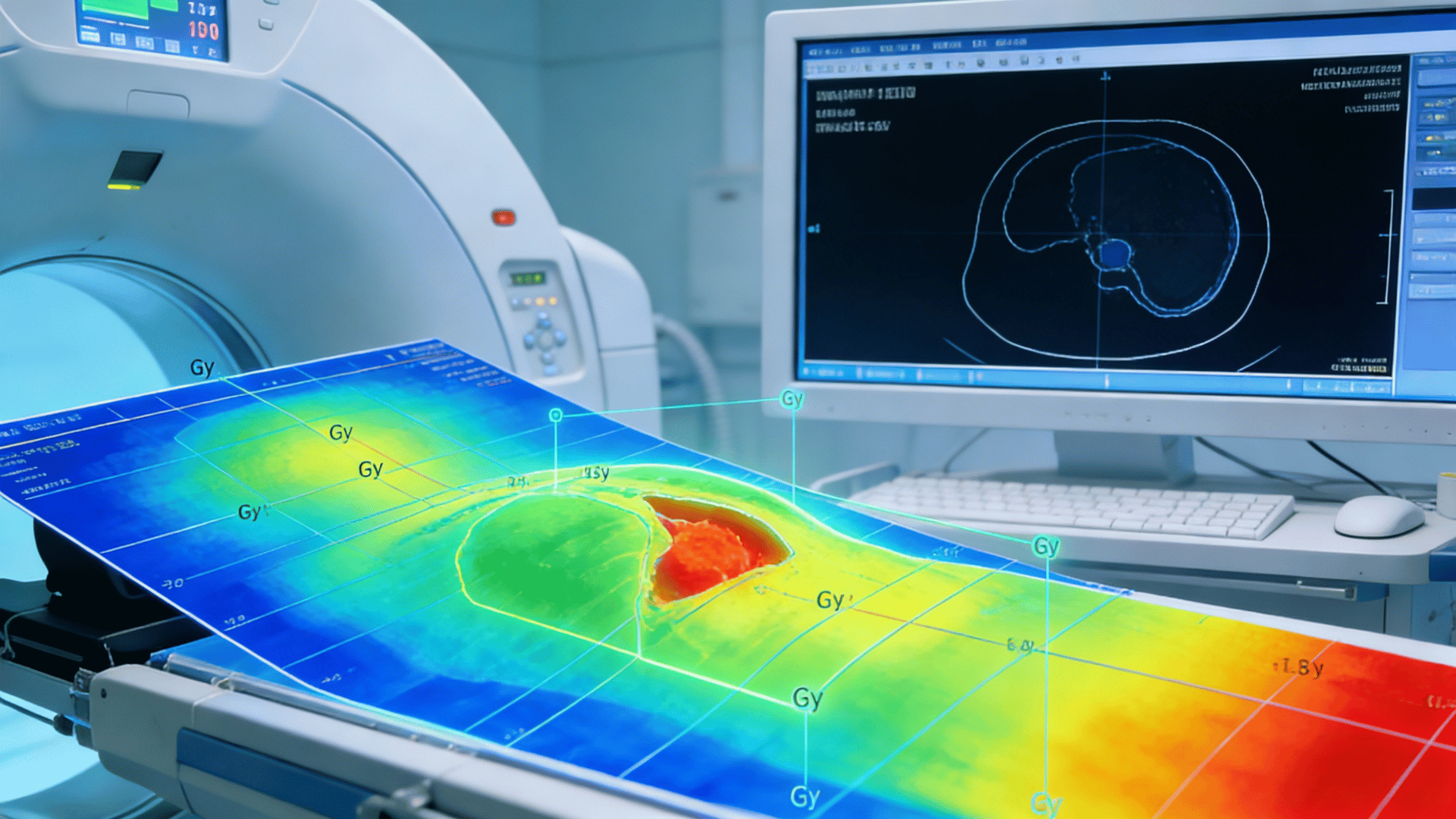
 Enhancing Setup Reproducibility in Head & Neck Radiotherapy:
 Gentle Precision: Balancing Patient Comfort and Setup Rigidity in Pediatric Radiotherapy
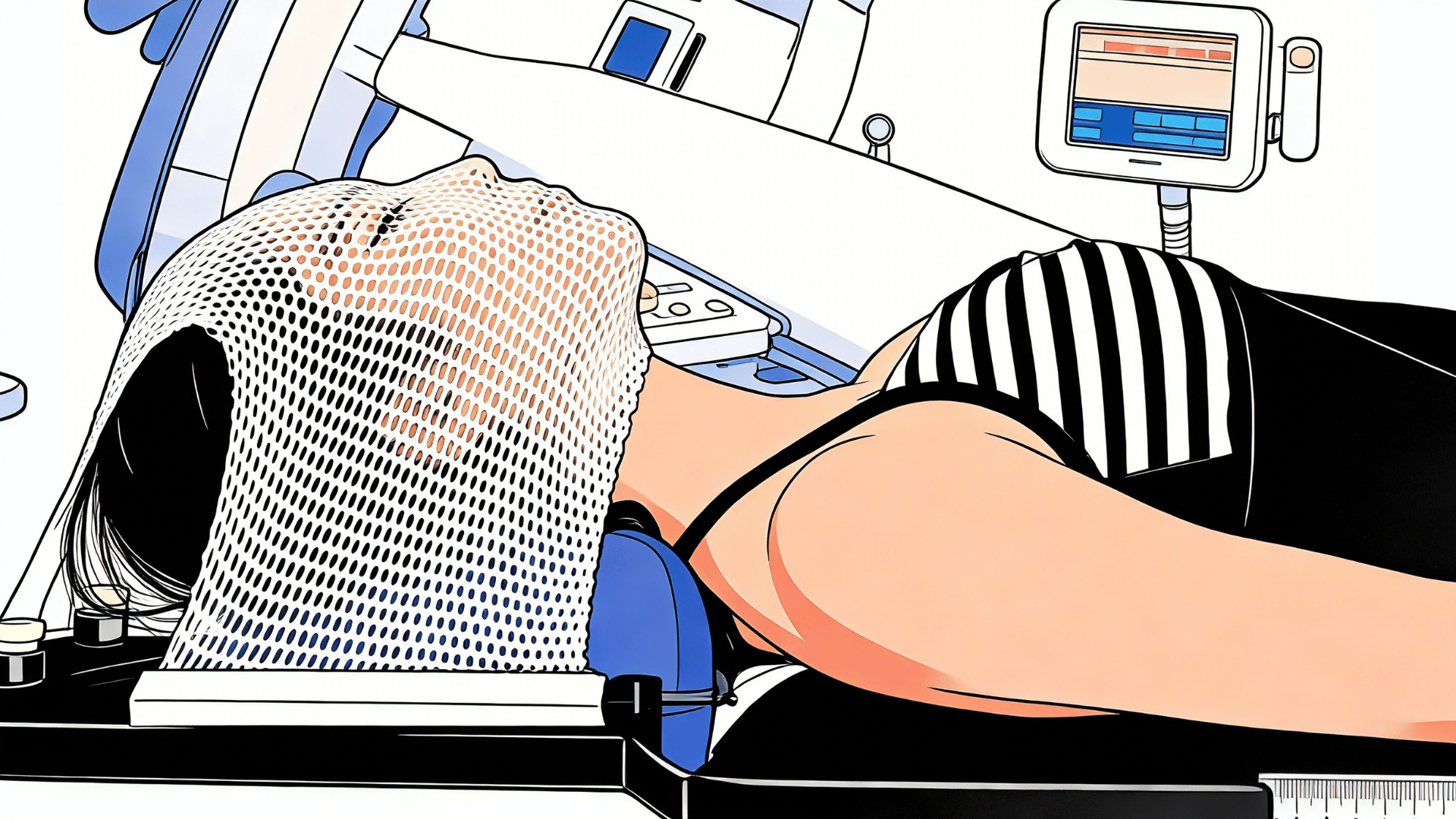 Protecting OARs in Complex Head & Neck Treatments: Advanced Immobilization Strategies
 Supine vs. Prone Positioning for Breast Cancer: Choosing the Right Auxiliary System for Your Clinic
 Reducing Heart and Lung Exposure: Innovative Positioning Solutions in Left-Sided Breast Radiotherapy
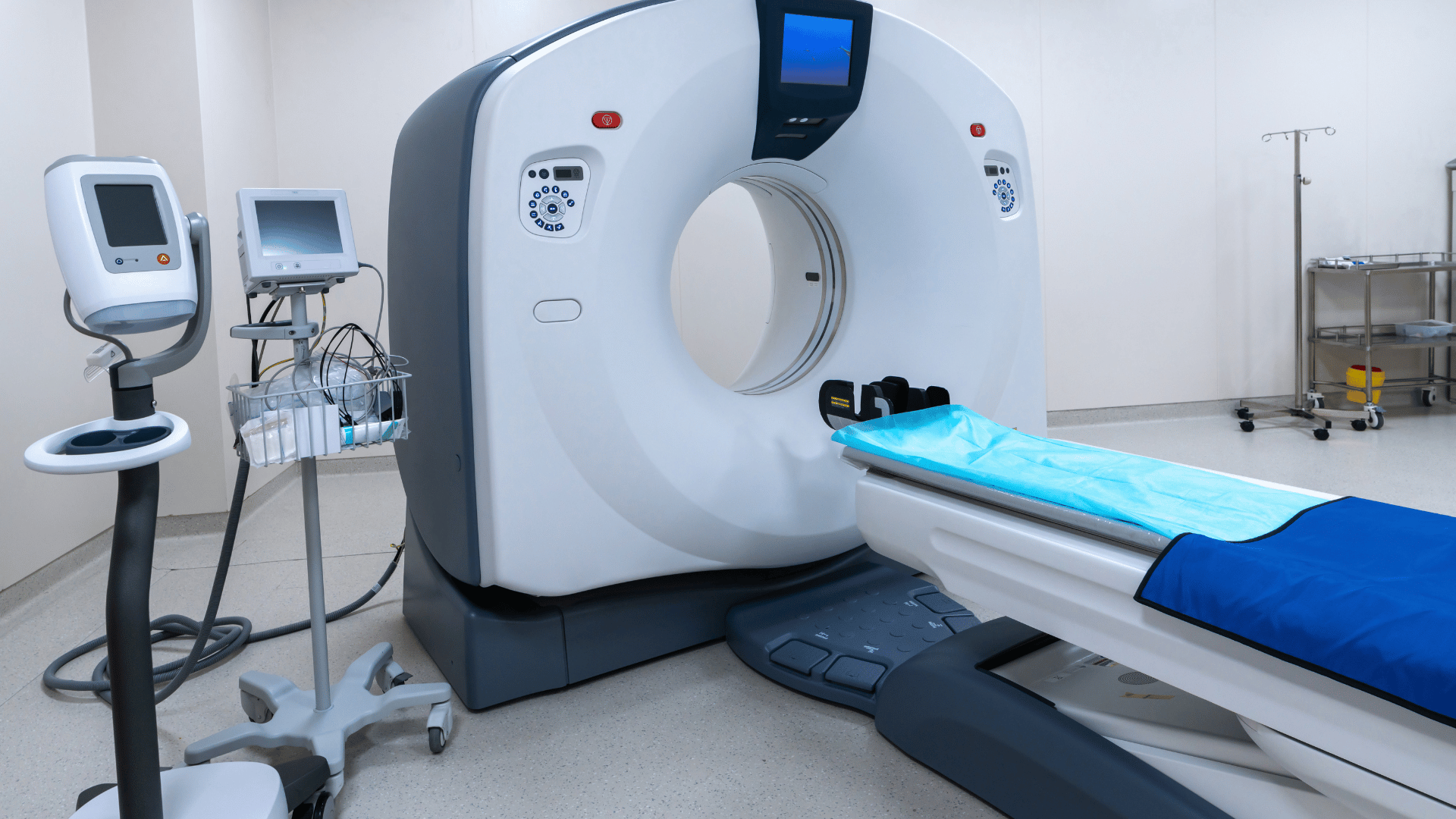 Improving Stability in Liver and Pancreatic Radiotherapy: The Role of Vacuum Cushions and Frames
 Optimizing Lung SBRT Outcomes: How Rigid Immobilization Minimizes Inter-fraction Motion
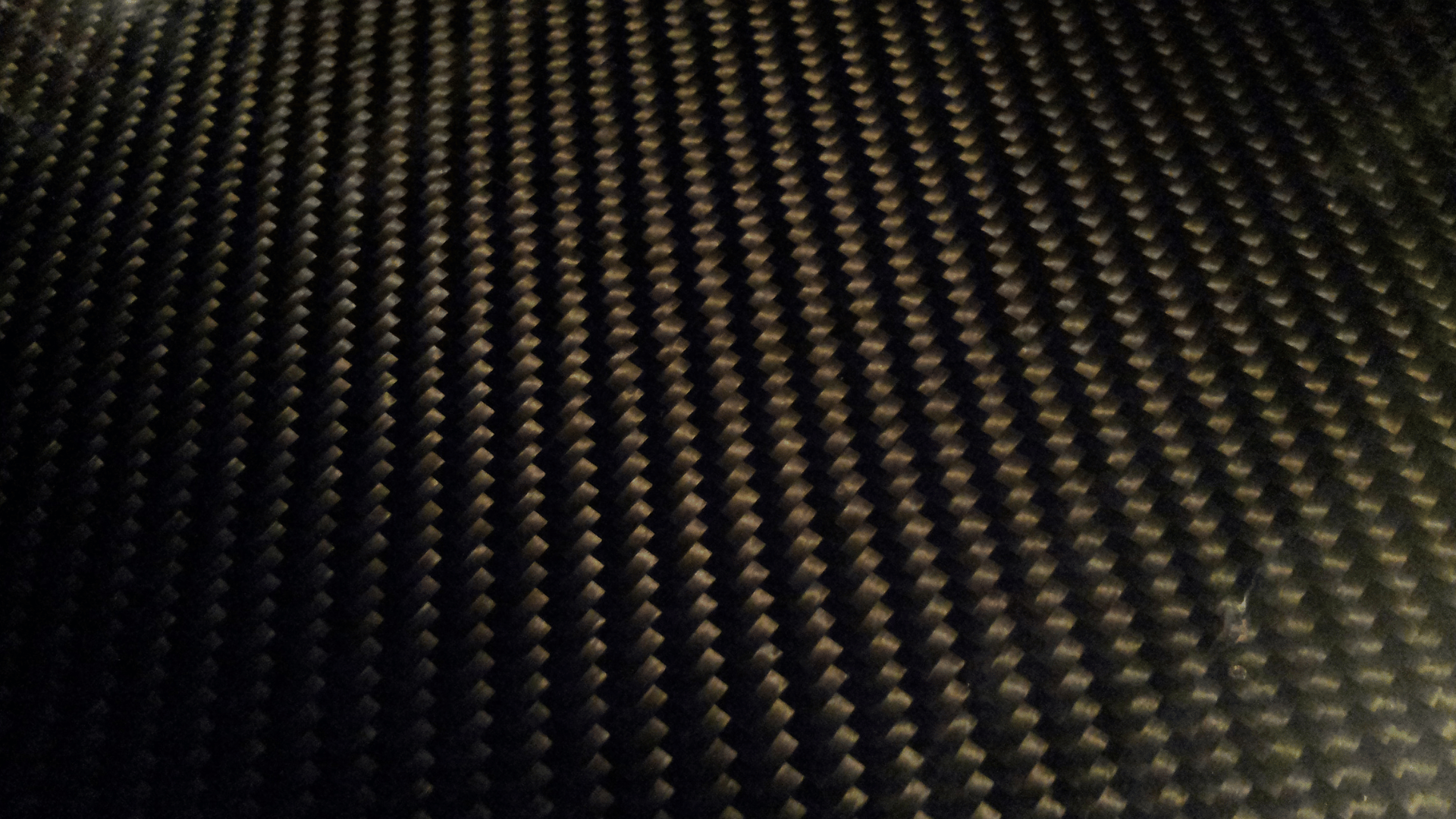 The Impact of Couchtop Attenuation on Lung Cancer Treatment Planning: Why Carbon Fiber Matters
 Customizing Immobilization for Small Patients: Technical Challenges and Solutions in Pediatrics
kevin clarke
- Advanced Materials , Knowledge Blog
- January 27, 2024
- 26 views
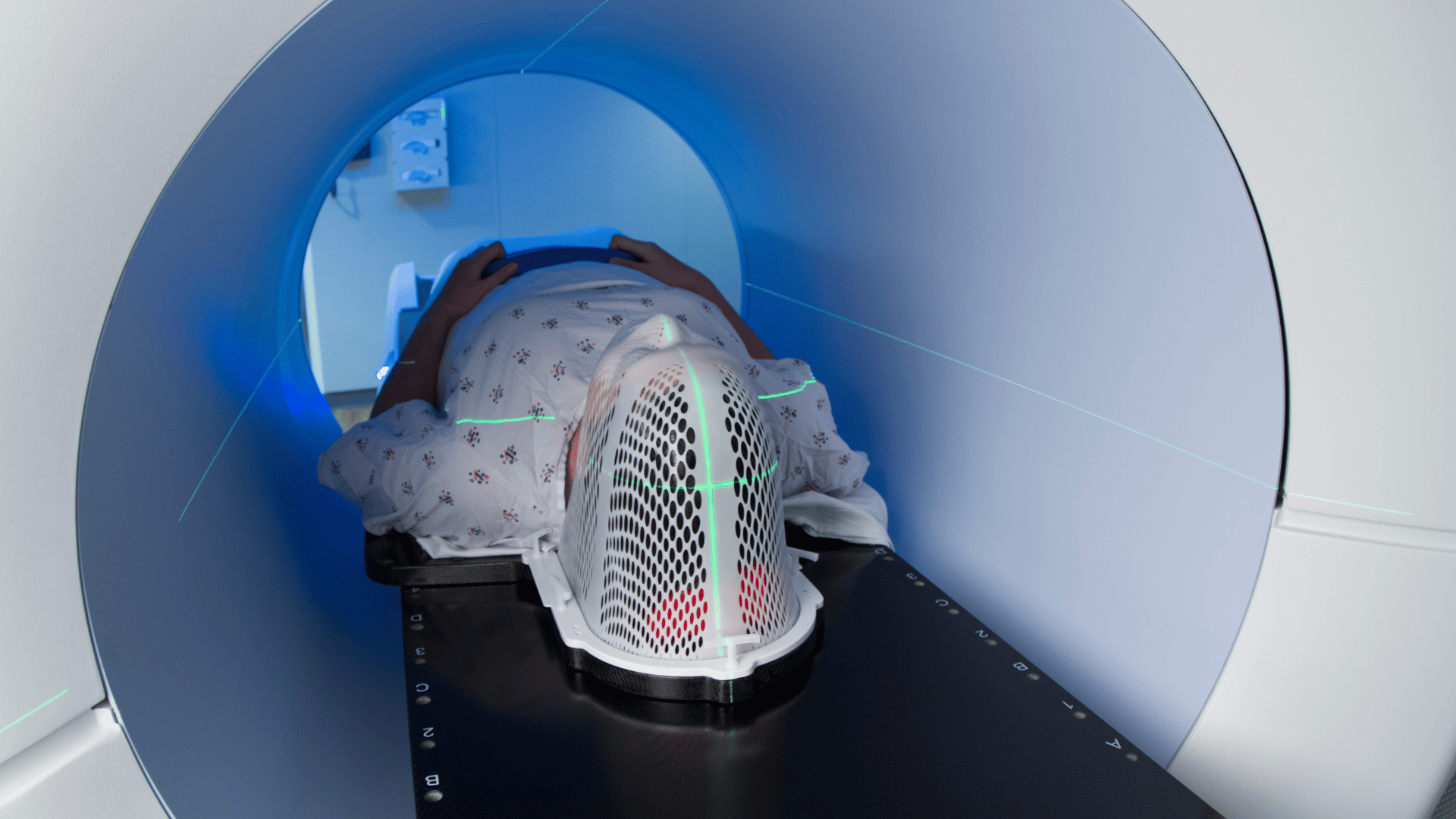
Why Carbon Fiber is the Gold Standard for Modern Radiotherapy Couchtops: Balancing Strength and Low Attenuation
Discover eco-friendly tourism initiatives shaping the way people explore the world. A wonderful tranquility has taken proprietorship of my entirety soul, like these sweet mornings of spring which I appreciate…

- Advanced Materials
- January 27, 2024
- 19 views
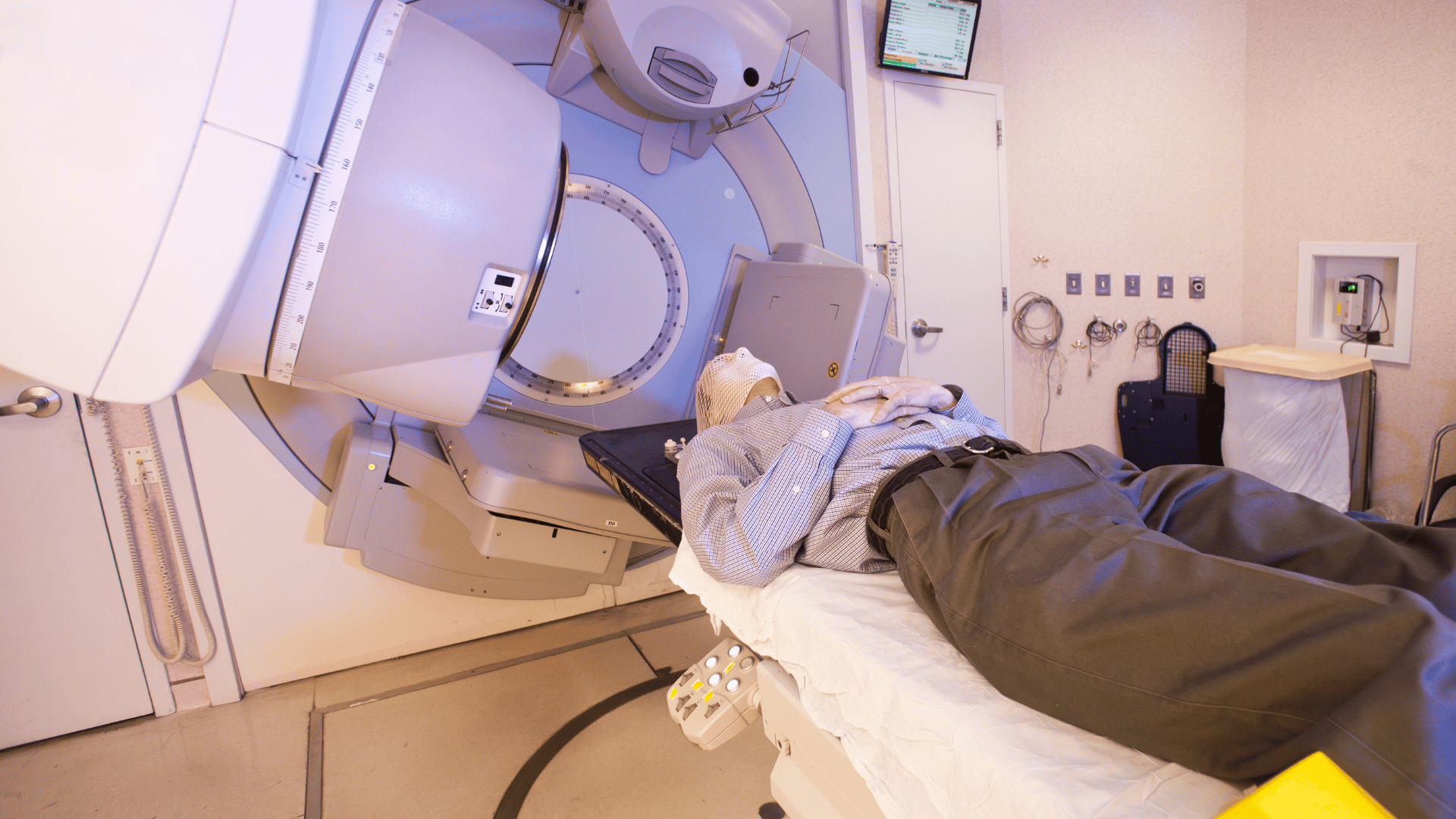
Achieving Sub-Millimeter Precision: The Science of High-Quality Thermoplastics in Patient Immobilization
Introduction Modern radiotherapy increasingly operates at the limits of geometric precision. With the widespread adoption of IMRT, VMAT, stereotactic techniques, and adaptive workflows, sub-millimeter accuracy is no longer aspirational—it is…

- Knowledge Blog
- January 27, 2024
- 19 views
The Future of Radiation Shielding: Why Lead-Free Solutions are Becoming the Industry Standard
Introduction Radiation shielding has always been a fundamental component of medical imaging and radiotherapy. For decades, lead-based materials have dominated shielding applications due to their high density and effective attenuation…

- Knowledge Blog
- January 27, 2024
- 20 views
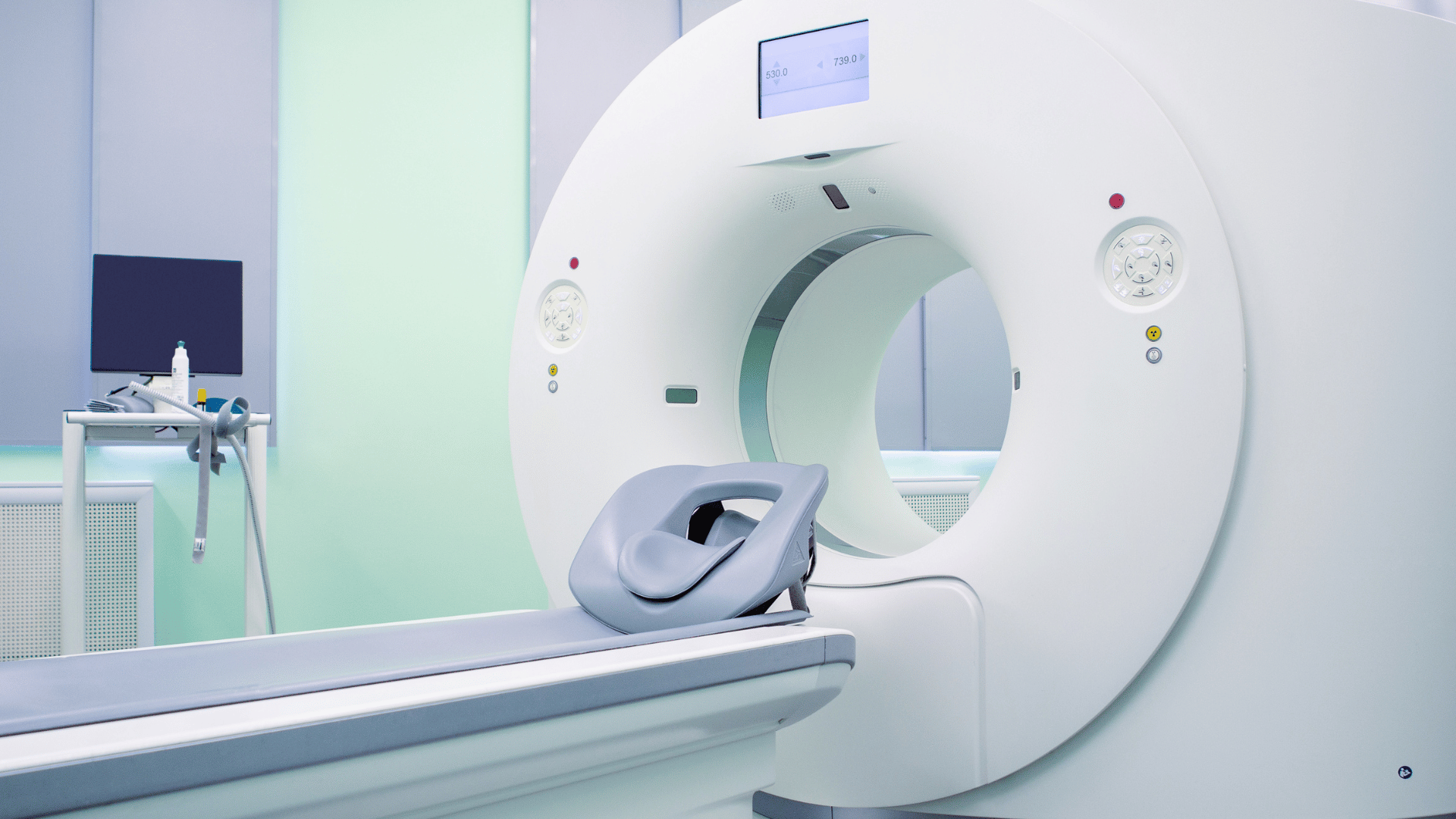
From Planning to Delivery: How Low-Attenuation Accessories Minimize Dosimetric Uncertainties
Introduction Modern radiotherapy is built on a promise: the dose calculated in the treatment planning system (TPS) should match the dose delivered to the patient as closely as possible. Achieving…

- Clinical Case Studies , Knowledge Blog
- January 27, 2024
- 22 views
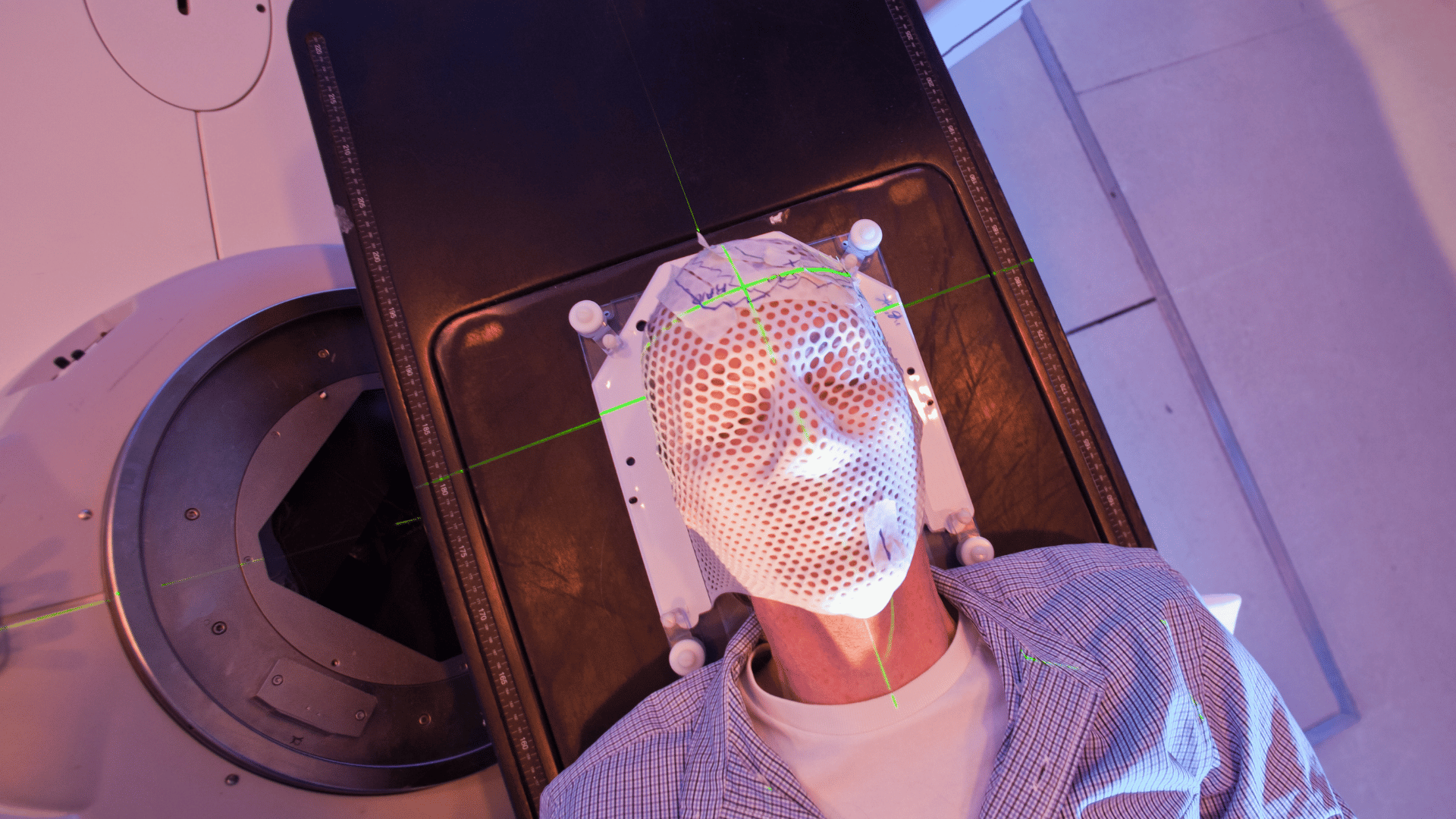
Sub-Millimeter Accuracy in SBRT and SRS: Why Rigid Immobilization is Non-Negotiable
Introduction Stereotactic Body Radiotherapy (SBRT) and Stereotactic Radiosurgery (SRS) represent the highest precision treatments in modern radiation oncology. These techniques deliver ablative doses in very few fractions, often with steep…

- Clinical Case Studies , Knowledge Blog , Patient Immobilization
- January 27, 2024
- 20 views
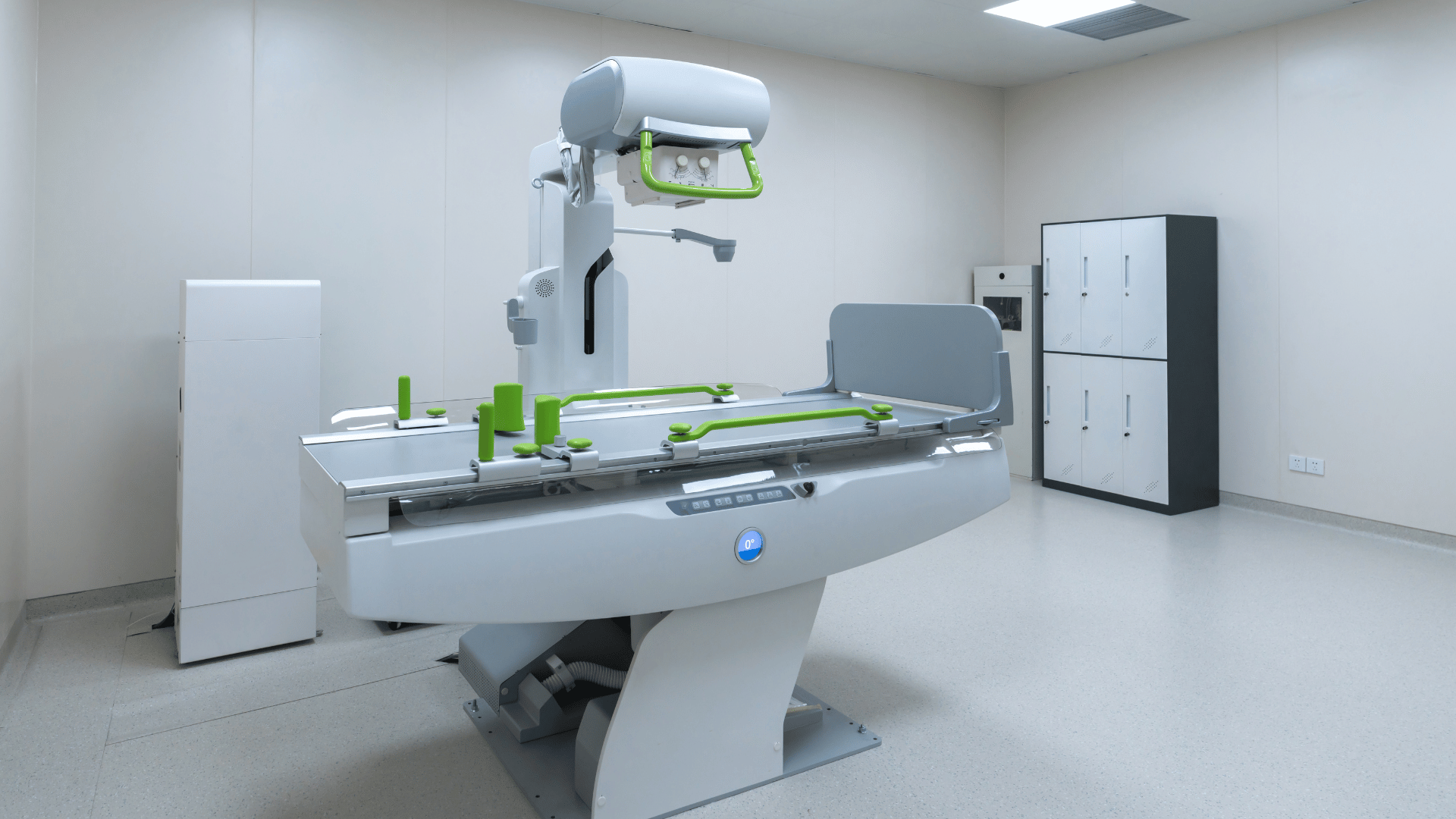
Streamlining VMAT and IMRT Workflows: Minimizing Dosimetric Impact with Low-Attenuation Accessories
Introduction Volumetric Modulated Arc Therapy (VMAT) and Intensity-Modulated Radiation Therapy (IMRT) have transformed modern radiotherapy by enabling highly conformal dose distributions and superior organ-at-risk (OAR) sparing. However, this increased complexity…

- Clinical Case Studies
- January 27, 2024
- 21 views
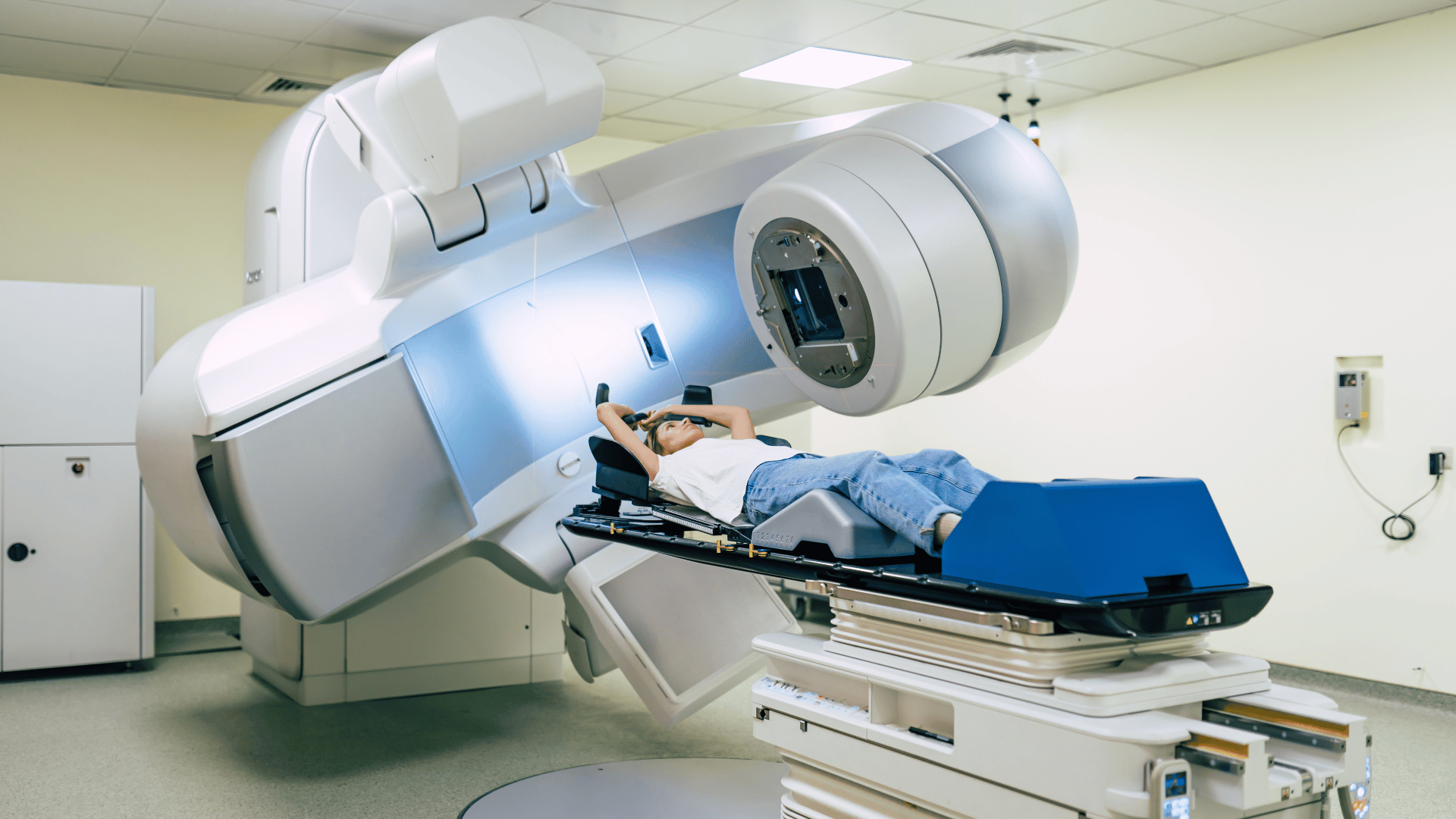
The Quest for “Artifact-Free” Imaging: Choosing IGRT-Compatible Positioning Tools
Introduction Image-Guided Radiotherapy (IGRT) has become the backbone of modern radiation oncology. From daily setup verification to adaptive decision-making, the quality of on-board imaging directly affects clinical confidence and treatment…

- Patient Immobilization
- January 27, 2024
- 17 views
Precision and Safety in Brachytherapy: Specialized Transfer and Positioning Solutions
Introduction Brachytherapy remains one of the most precise forms of radiation therapy, delivering high doses directly to or near the target while sparing surrounding tissues. However, this precision comes with…


- Radiotherapy Life
- January 27, 2024
- 16 views
Why Aging Thermoplastics Behave Unpredictably:
A Polymer Science Perspective Introduction: When Consistency Slowly Disappears In daily radiotherapy practice, thermoplastic masks are expected to behave in a highly predictable manner—softening at a known temperature, molding smoothly,…


- Radiotherapy Life
- January 27, 2024
- 32 views
HU Stability and Dose Accuracy:
The Hidden Role of Immobilization Materials Introduction: When Small HU Errors Matter In modern radiotherapy, treatment accuracy depends not only on beam delivery systems and planning algorithms, but also on…
