 kevin clarke
Introduction
In lung cancer radiotherapy, treatment accuracy depends not only on advanced delivery techniques and precise patient positioning, but also on the beam path itself. While considerable attention is paid to tumor motion, setup reproducibility, and image guidance, one critical factor is often underestimated: radiation attenuation caused by the treatment couchtop.
For modern lung cancer treatments—particularly IMRT, VMAT, and SBRT—where multiple beam angles and high dose conformity are employed, couchtop material and design can have a measurable impact on dose distribution. This article explores the physics of couchtop attenuation and explains why carbon fiber couchtops have become a preferred solution in high-precision lung radiotherapy.
Understanding Couchtop Attenuation in External Beam Radiotherapy
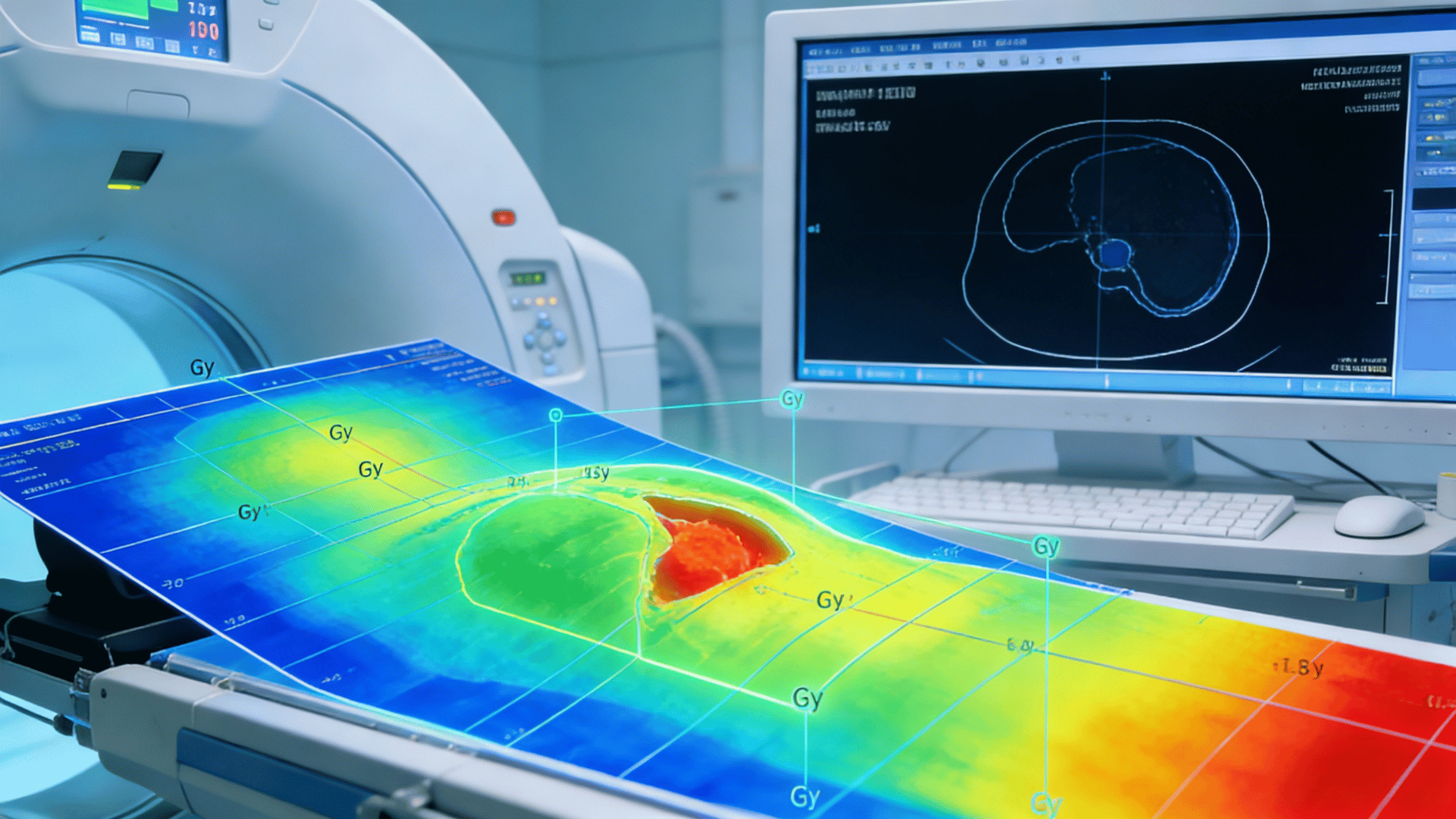
Couchtop attenuation refers to the reduction and modification of photon beam intensity as radiation passes through the treatment couch before reaching the patient. This effect depends on several factors:
- Material composition
- Thickness and density
- Beam energy
- Beam incidence angle
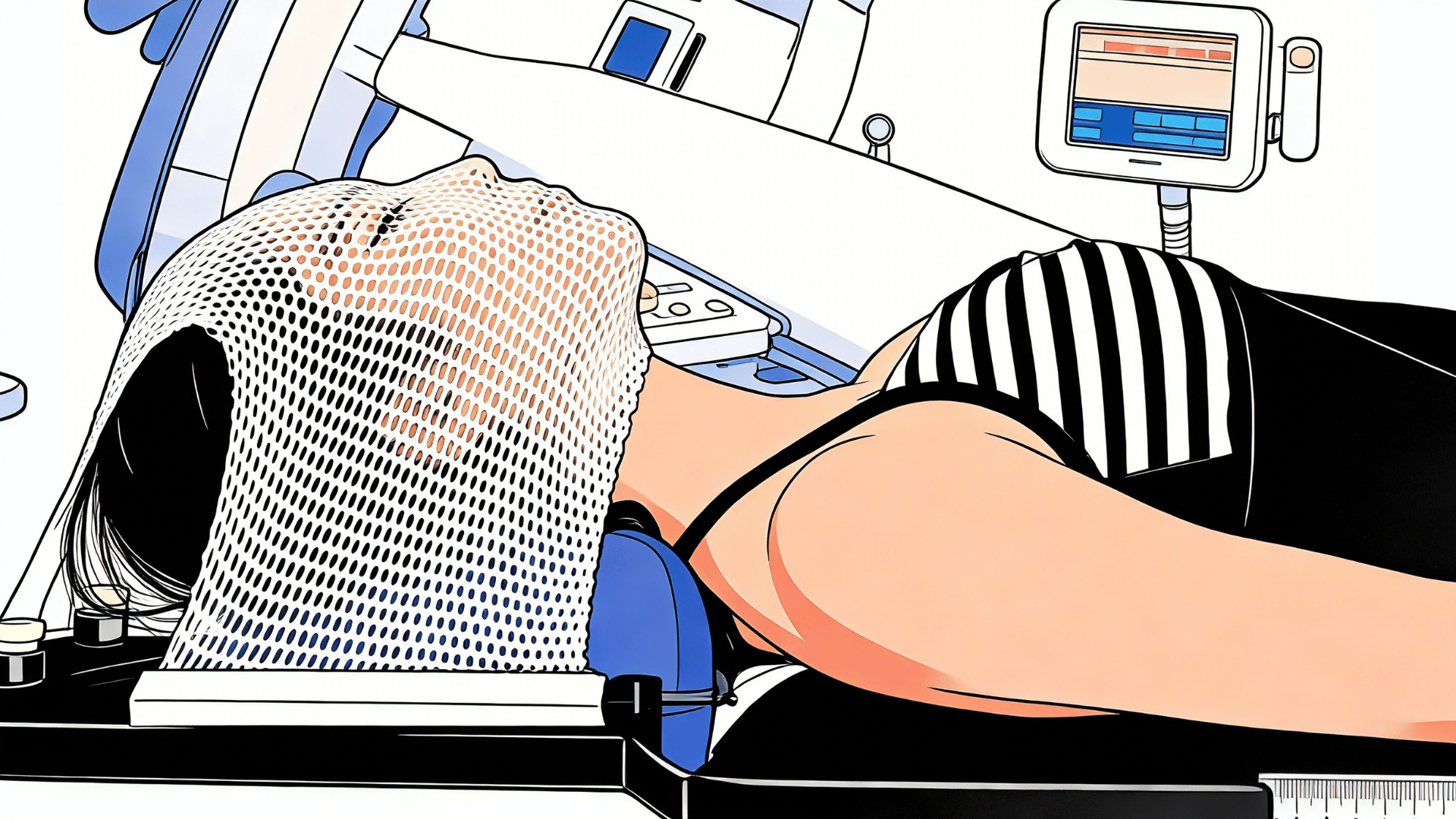
In lung cancer treatments, posterior and posterior-oblique beams frequently intersect the couchtop, making attenuation effects clinically relevant rather than theoretical.
Why Attenuation Matters More in Lung Cancer Planning
1. High Dose Gradients and Small Margins
Lung radiotherapy, especially SBRT, relies on:
- Tight PTV margins
- Steep dose fall-off
- Precise dose delivery per fraction
Even modest beam attenuation can lead to:
- Underdosing of the target
- Increased heterogeneity within the PTV
- Compromised tumor control probability
2. Angular Dependence in Modern Techniques
In IMRT and VMAT, beams are delivered from a wide range of gantry angles. Beams intersecting the couchtop at oblique angles experience increased path length, amplifying attenuation effects.
If not accurately modeled in the treatment planning system (TPS), this angular dependence can introduce systematic dose errors.
The Physics Advantage of Carbon Fiber Couchtops
Carbon fiber has become the material of choice for radiotherapy couchtops due to its favorable physical properties:
- Low effective atomic number, reducing photon interaction probability
- High mechanical strength, allowing thin yet rigid structures
- Radiolucency, minimizing imaging artifacts and dose perturbations
Compared to traditional materials, carbon fiber provides an optimal balance between structural stability and minimal beam interference.
Dosimetric Benefits in Lung Cancer Treatment
1. Reduced Beam Attenuation
Carbon fiber couchtops typically exhibit lower attenuation across a range of beam energies, particularly at clinically relevant angles used in lung treatments.
This results in:
- More accurate dose delivery
- Improved agreement between planned and delivered dose
- Reduced need for excessive plan compensation
2. Improved Dose Calculation Accuracy
Modern TPS algorithms can model carbon fiber structures with greater accuracy due to their consistent and predictable material properties.
Accurate modeling enables:
- Reliable posterior beam utilization
- Confidence in VMAT arc planning
- Better preservation of intended dose distributions
Impact on Organs at Risk and Plan Robustness
In lung cancer radiotherapy, small dose deviations can affect critical structures such as:
- Healthy lung tissue
- Spinal cord
- Esophagus
- Heart
By minimizing unexpected attenuation and scatter, carbon fiber couchtops contribute to:
- More consistent OAR dose constraints
- Improved plan robustness
- Reduced uncertainty in cumulative dose estimates
Couchtop Attenuation and Quality Assurance
From a physics and QA perspective, couchtop material influences:
- Beam commissioning and TPS validation
- End-to-end testing accuracy
- In vivo dosimetry consistency
Carbon fiber couchtops simplify QA processes by reducing variability and improving reproducibility across treatment setups.
Clinical Implications for High-Precision Lung Radiotherapy
For institutions delivering advanced lung cancer treatments, couchtop selection is not a minor hardware decision—it is a dosimetric consideration.
Carbon fiber couchtops support:
- Complex beam geometries
- Dose-escalated and hypofractionated protocols
- Long-term consistency in treatment quality
As lung SBRT continues to push the limits of precision, every component in the beam path matters.
Conclusion
In lung cancer radiotherapy, achieving the planned dose distribution requires careful consideration of all factors influencing beam delivery—including the treatment couchtop. Couchtop attenuation is a real and clinically relevant phenomenon, particularly in modern multi-angle techniques.
By offering low attenuation, predictable physical properties, and excellent mechanical stability, carbon fiber couchtops play a crucial role in ensuring accurate, high-quality lung cancer treatment planning and delivery.
In high-precision radiotherapy, carbon fiber does not merely support the patient—it supports the physics.