 kevin clarke
Introduction
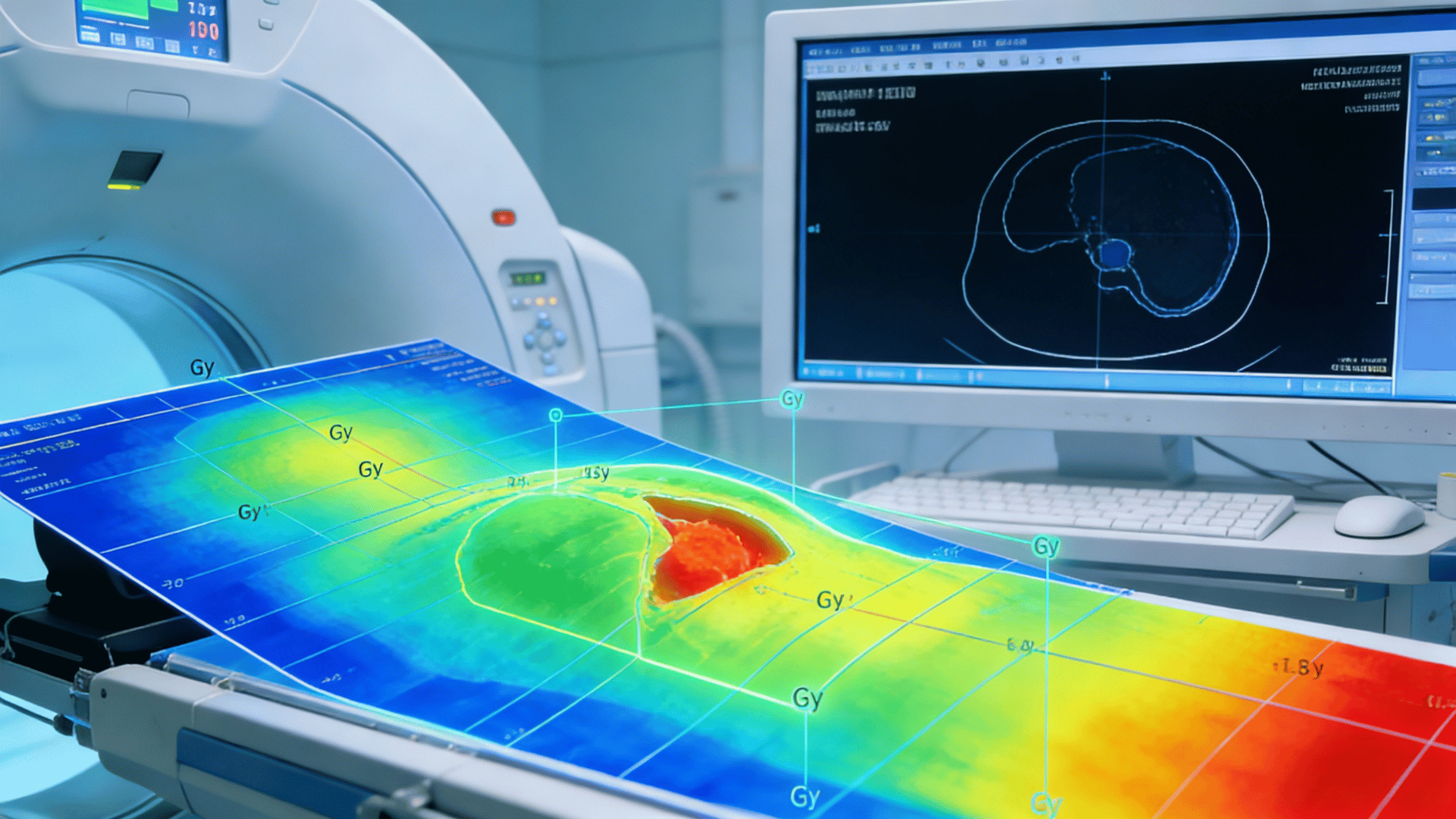
Image-Guided Radiotherapy (IGRT) has become the backbone of modern radiation oncology. From daily setup verification to adaptive decision-making, the quality of on-board imaging directly affects clinical confidence and treatment accuracy.
Yet, despite advances in imaging hardware and reconstruction algorithms, one persistent challenge remains: artifacts caused by positioning and immobilization tools. These artifacts can obscure anatomy, degrade registration accuracy, and introduce unnecessary uncertainty.
This article explores why truly “artifact-free” imaging is an aspirational goal—and how choosing IGRT-compatible positioning tools brings clinics closer to achieving it.
Why Imaging Artifacts Matter in IGRT
Artifacts in IGRT imaging are not merely aesthetic imperfections. They have direct clinical consequences, including:
- Reduced soft-tissue visibility
- Distorted anatomical boundaries
- Compromised image registration
- Increased reliance on bony anatomy alone
In high-precision treatments with tight margins, even subtle imaging degradation can impact setup accuracy and adaptive decisions.
Positioning Tools as a Source of Artifacts
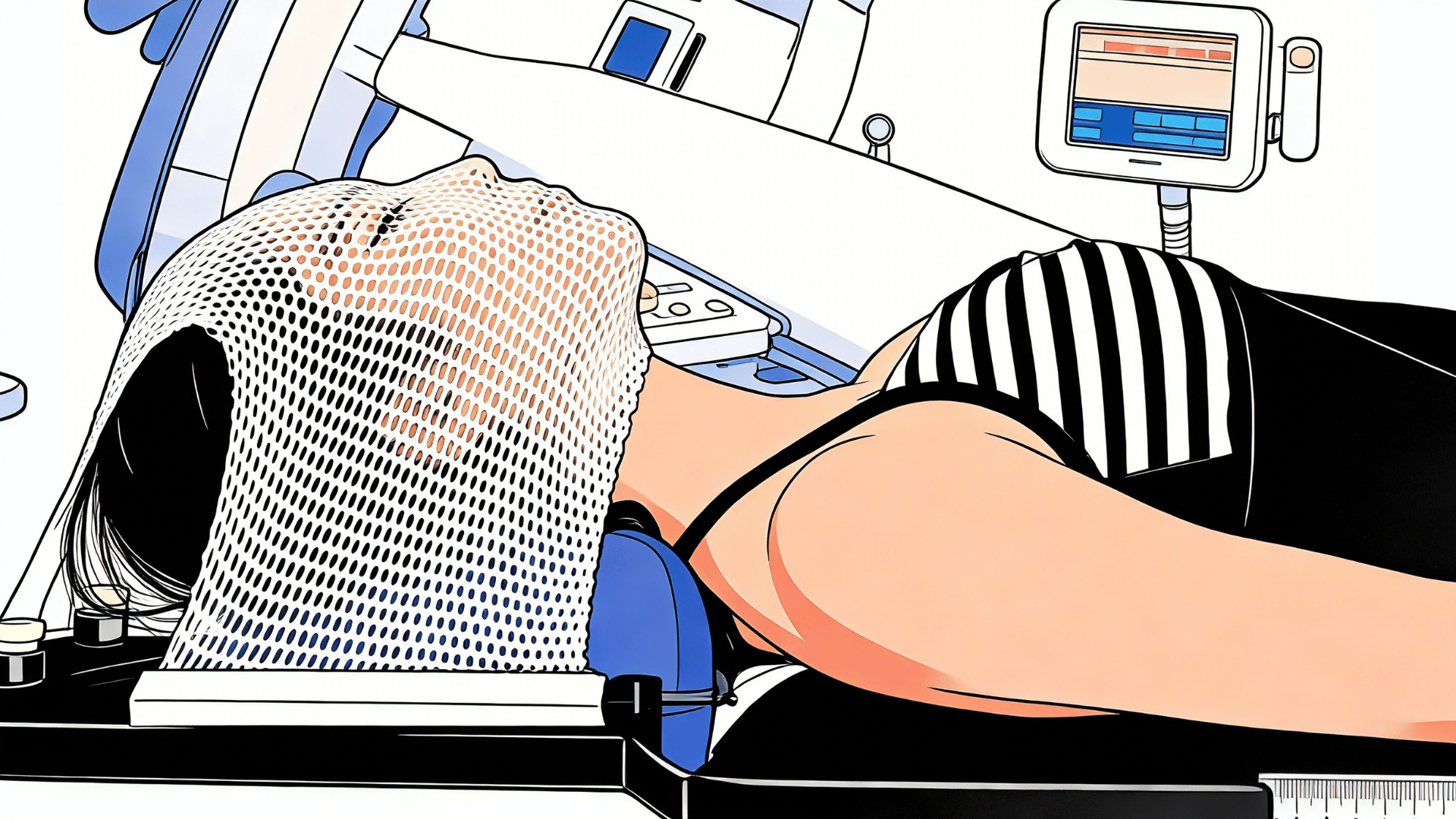
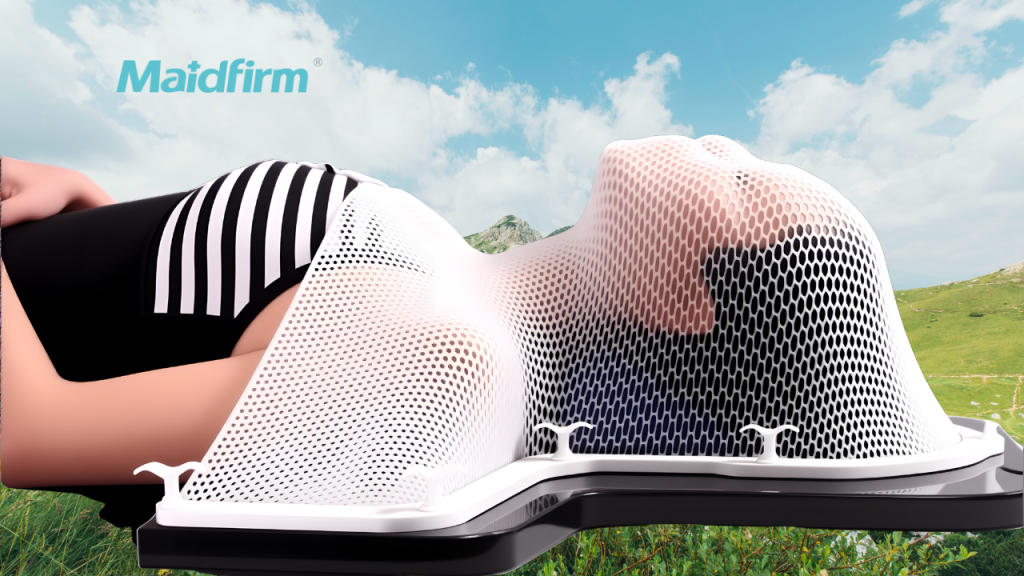
Positioning and immobilization devices are routinely present during simulation and treatment imaging. Common artifact sources include:
- High-density materials
- Non-uniform thickness
- Embedded metal components
- Sharp edges and structural transitions
When these features intersect with kV, MV, or CBCT imaging beams, they can produce streaking, shading, or scatter-related artifacts.
What Defines IGRT-Compatible Positioning Tools?
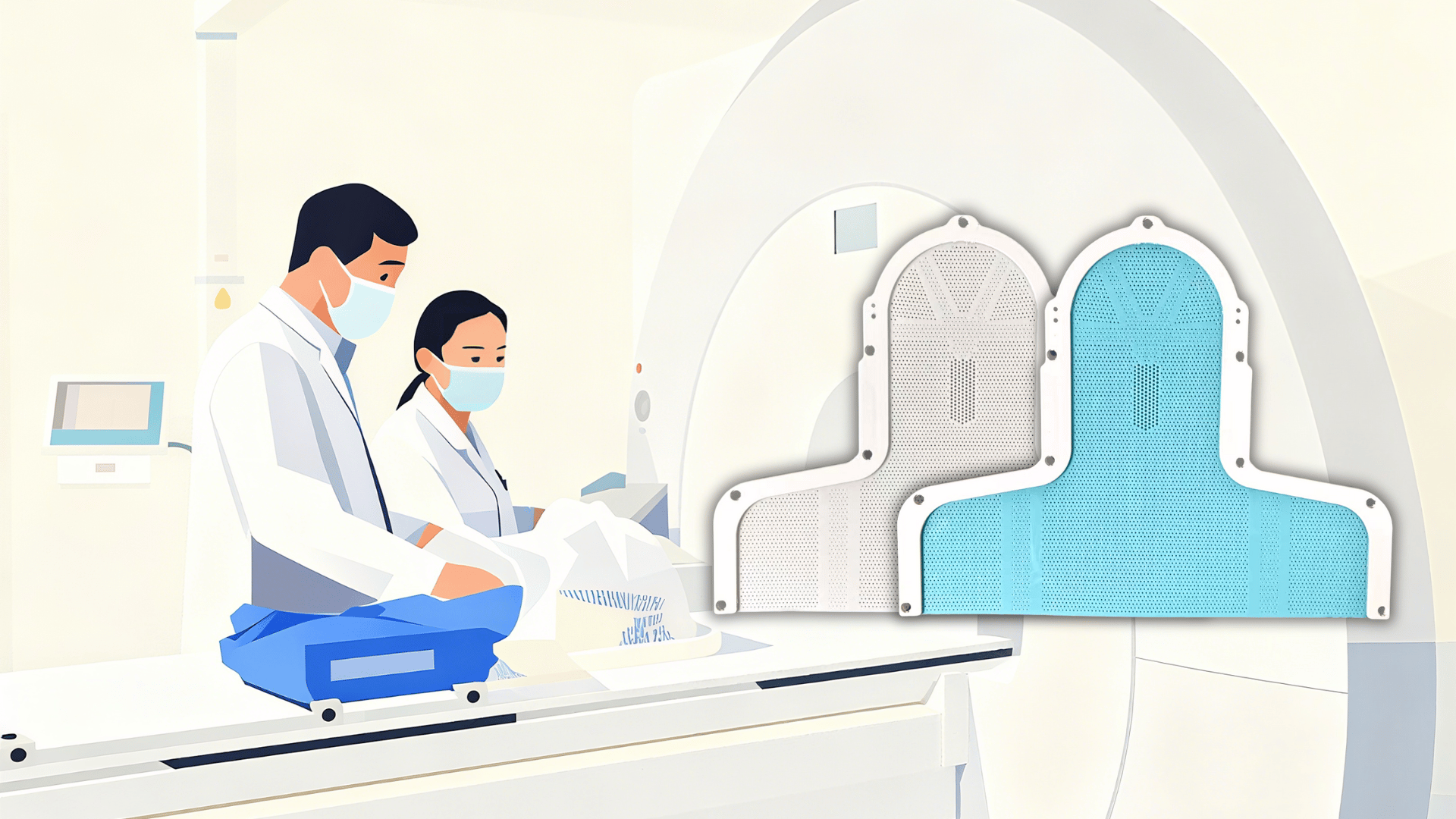
IGRT-compatible positioning tools are designed with imaging performance in mind, not just mechanical function.
Key design principles include:
- Low-density, radiolucent materials
- Homogeneous internal structure
- Absence of unnecessary metal components
- Smooth geometric transitions
These characteristics help minimize beam hardening, scatter, and reconstruction errors.
Material Selection and Imaging Performance
1. Low-Z Materials for Reduced Beam Interaction
Materials with low effective atomic numbers interact less with imaging photons, resulting in:
- Reduced streak artifacts
- Improved contrast resolution
- More accurate HU representation
This is particularly important for CBCT-based soft-tissue visualization.
2. Uniform Density and Thickness
Even radiolucent materials can produce artifacts if density or thickness varies abruptly. High-quality positioning tools are engineered to maintain uniformity across the imaging field of view.
Impact on Image Registration and Setup Accuracy
Artifact-reduced imaging improves the reliability of:
- Automatic and manual image registration
- Soft-tissue alignment strategies
- Six-degree-of-freedom couch corrections
When anatomy is clearly visualized, setup decisions are faster, more confident, and more reproducible.
IGRT in Advanced Treatment Techniques
In modern workflows such as:
- SBRT and SRS
- Adaptive radiotherapy
- MRI-guided or hybrid IGRT systems
Imaging quality becomes even more critical. Positioning tools that introduce artifacts can negate the benefits of advanced imaging technologies.
Balancing Rigidity, Comfort, and Imaging Quality
A common concern is that improving imaging compatibility may compromise rigidity or patient comfort. Well-designed IGRT-compatible tools achieve balance by:
- Combining structural stiffness with radiolucent materials
- Distributing pressure evenly for patient comfort
- Maintaining geometric stability without imaging penalties
Good design eliminates false trade-offs.
Clinical and Operational Benefits
Selecting IGRT-compatible positioning tools delivers tangible clinical benefits:
- Fewer repeat scans
- Faster setup and registration
- Reduced uncertainty in adaptive decisions
- Improved workflow efficiency
Over time, these advantages translate into improved treatment consistency and patient throughput.
Manufacturer Perspective: Designing for Imaging Integrity
From a manufacturer’s perspective, IGRT compatibility requires:
- Imaging-based design validation
- Artifact testing across imaging modalities
- Close collaboration with clinical physicists
- Continuous refinement based on clinical feedback
Positioning tools must be developed as part of the imaging system—not external to it.
Conclusion
The pursuit of “artifact-free” imaging in IGRT is ultimately a pursuit of clarity, confidence, and precision. While no system is completely immune to artifacts, thoughtfully designed, IGRT-compatible positioning tools can dramatically reduce their impact.
By minimizing imaging interference at the source, clinics can fully leverage the capabilities of modern IGRT technologies and make more confident decisions—every fraction, every patient.
In IGRT, what you see determines what you treat.